Lawn
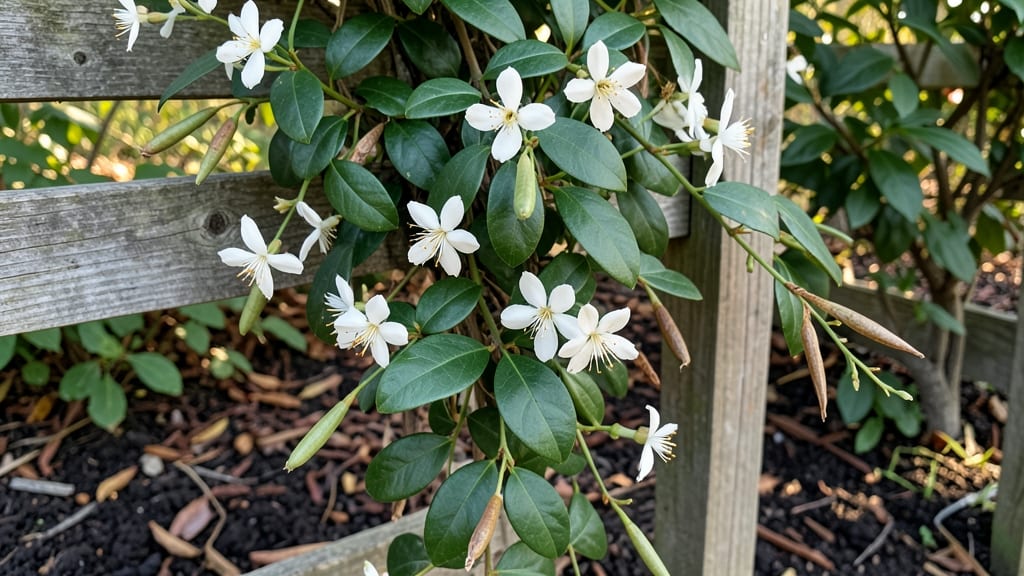
Twisting open Confederate jasmine seed pods reveals the secret to year-round blooms—without the struggle. 🌿 I’ve wrestled with these stubborn pods for years, and now I’m sharing the foolproof method that finally works, plus why seeds might not be your best bet anyway.
The pods themselves are deceptive: they look ready to split open, but their thick walls resist until you know the trick. Once you crack them open, you’ll find tiny seeds that need stratification—a cold treatment—to break dormancy.
But here’s the catch: germination rates are unpredictable, and even when they sprout, growth can be slow. What you’ll end up with are fragrant, fast-growing vines that climb anything in sight, producing sweetly scented flowers from spring through fall—and sometimes into winter if you’re in the right zone.
The real game-changer? Using cuttings instead of seeds for guaranteed results with zero dormancy drama. If seeds aren’t your thing, I’ll show you how to propagate from cuttings in just three simple steps, plus how to keep your jasmine thriving once it’s established. Let’s get those vines growing!
📚 In This Guide
- What you need
- Instructions
- Tips and common mistakes
- Wrapping up and next steps
What you need
- ● Confederate jasmine seed pods: 3–5 mature, dried pods (harvested in late fall/winter when fully brown and papery). Pro tip: 💡 Avoid pods from store-bought plants—they’re often sterile!
- ● Well-draining potting mix: 1–2 gallons (for germination). Opt for a blend of 50% peat moss, 30% perlite, and 20% coco coir.
- ● Small seed-starting trays: 1 tray with 72–100 cells (or 4–6 biodegradable peat pots, 2–3 inches deep).
- ● Spray bottle (16 oz): For gentle watering—avoid over-saturating the soil!
- ● Plastic wrap or humidity dome: To maintain moisture during germination.
- ● Pruning shears or scissors: For carefully opening seed pods (sterilize with rubbing alcohol first!).
- ● Fine-tip tweezers: To handle tiny seeds without crushing them.
- ○ Heat mat (optional but helpful): Set to 70–75°F to speed up germination.
- ● Grow lights or sunny windowsill: 6–8 hours of bright, indirect light daily.
- ● Fertilizer (balanced 10-10-10 or seaweed extract): Diluted to half-strength for seedlings.
- ● Patience: Germination can take 4–8 weeks—stay consistent!
- ● Space: A warm, humid environment (e.g., a greenhouse or sunny kitchen window).
- ● Knowledge of hardiness zones: Confederate jasmine thrives in Zones 7–10. If you’re in a colder zone, plan for container growing or overwintering indoors.
How to extract and plant Confederate jasmine seeds without twisting the pods
Here's the gentle method I use to harvest seeds without damaging the delicate pods.
🌱 Step 1: Harvest Mature Seed Pods at Peak Ripeness
Wait until the pods turn a deep brown and begin to split open naturally—this usually happens in late fall after the flowers fade. You'll know they're ready when the pods feel dry and papery to the touch. Avoid harvesting green pods, as they won't contain viable seeds.
Use clean, sharp pruning shears to snip the pods from the vine, leaving a small stem attached. I like to work on a dry day when the pods are fully mature, as this makes the extraction process much smoother. Place the harvested pods in a paper bag to keep them dry until you're ready to process them.
🪴 Step 2: Prepare a Clean Work Surface and Tools
Spread a clean towel or newspaper on a flat surface to catch any seeds that might fall during extraction. Gather a small bowl for discarded pod material, a pair of tweezers for delicate handling, and a small container with damp paper towels to keep the seeds moist while you work.
I find that a small, shallow dish works best for the damp paper towels—it keeps everything contained and prevents the seeds from drying out. The tweezers help you gently remove the seeds without crushing them, which is especially important with Confederate jasmine seeds that are so small and delicate.
💧 Step 3: Extract Seeds Using the Twist-Free Method
Hold the pod firmly but gently between your thumb and forefinger, then use the tweezers to carefully pry open the pod along its natural seams. You don't need to twist or force the pod—just let the seams guide you. The seeds will pop out easily once the pod is open just enough.
Place each extracted seed directly onto the damp paper towel. This keeps them hydrated and ready for immediate planting. If any seeds stick to the pod, tap it lightly over the bowl to release them without damaging the delicate seed coat. Real talk: patience here prevents seed loss later.
☀️ Step 4: Stratify Seeds for Successful Germination
Confederate jasmine seeds need a cold period to break dormancy. Place the damp paper towel with seeds in a sealed plastic bag and refrigerate for 6-8 weeks. Check the towel weekly to ensure it stays moist—if it dries out, the seeds won't germinate properly.
After stratification, remove the seeds from the fridge and plant them ¼ inch deep in a well-draining potting mix. Keep the soil consistently moist but not soggy, and place the container in a warm, bright spot with indirect light. You'll see sprouts in 4-8 weeks, depending on your climate.
⏰ Step 5: Transplant Seedlings for Year-Round Blooms
Once seedlings have 3-4 true leaves and are at least 3 inches tall, transplant them into individual pots or directly into the garden. Choose a location with full sun to partial shade—Confederate jasmine thrives in warm climates but can handle some shade in hotter regions.
Water deeply after transplanting to help the roots establish. Mulch around the base to retain moisture and protect the roots from temperature swings. With proper care, your seedlings will mature into fragrant, blooming vines within 1-2 years, giving you those coveted year-round blooms.
Tips & tricks for perfect Confederate jasmine seed pod handling
These little details make all the difference when working with delicate Confederate jasmine seed pods.
Harvest Timing: I can't stress enough how important it is to wait for those pods to turn deep brown and feel papery—this is your cue they're ready. Harvesting too early means immature seeds that won't germinate properly. I've learned this the hard way after wasting weeks waiting for seeds that never sprouted because they weren't fully mature.
Extraction Technique: The twist-free method is crucial for preserving seed viability. When you gently pry along the seams with tweezers, you're not just opening the pod—you're protecting those tiny seeds from damage. Confession: I skipped this step for years and wondered why my germination rates were so low. The seeds need that gentle handling to stay intact.
Stratification Strategy: That 6-8 week cold period is non-negotiable for breaking dormancy. I've tried skipping it, and while some seeds might sprout, you'll get much better results with consistent germination when you follow the full stratification. Keep that damp paper towel moist during this time—dry seeds won't respond to the cold treatment.
Transplanting Tip: When your seedlings reach 3-4 true leaves and are at least 3 inches tall, they're ready for their permanent home. I've found that transplanting at this stage gives them the best chance to establish strong roots before facing outdoor conditions. Choose that sunny spot carefully—Confederate jasmine needs plenty of light to thrive and reward you with those fragrant blooms.
Pro Tips for Confederate Jasmine Seed Pods
- These little details make all the difference when working with delicate Confederate jasmine seed pods.
- Harvest Timing: I can't stress enough how important it is to wait for those pods to turn deep brown and feel papery—t...
- Extraction Technique: The twist-free method is crucial for preserving seed viability. When you gently pry along the s...
Frequently asked questions
Got questions about harvesting and working with Confederate Jasmine seed pods? You’re not alone! Here are the most common queries—and straightforward answers—to help you tackle seed extraction like a pro.
When is the best time to collect Confederate Jasmine seed pods?
The ideal time to harvest seed pods is in late fall to early winter (November–January), when they’ve turned brown and dried but haven’t split open. Wait until they’re crispy to the touch—this ensures the seeds are fully mature and ready for extraction. Pro tip: Collect pods on dry days to avoid mold.
How do I open the seed pods without damaging the seeds?
Gently squeeze or twist the dried pods between your fingers—they should pop open easily. If they resist, place them in a paper bag and shake vigorously (like a DIY seed shaker!). Avoid cutting or crushing; the seeds are delicate and need to stay intact for germination. Pro tip: Wear gloves if you’re sensitive to the plant’s mild sap.
Can I grow Confederate Jasmine from seed, or should I buy a plant?
Yes, you can grow from seed, but it’s slower (1–2 years for blooms) and less predictable than starting with a nursery plant. Seeds need warmth and moisture to germinate—soak them overnight before planting in well-draining soil. For faster results, opt for a rooted cutting or a young plant from a local nursery.
What do I do if my seed pods won’t open or stay green?
If pods stay green or won’t crack, they’re likely underripe. Wait another 2–4 weeks and check again. If they’re brown but still sealed, try freezing them overnight—the cold shock can trigger them to split. Avoid forcing them open; patience is key! Pro tip: If pods mold, discard them to prevent spreading.
How should I store Confederate Jasmine seeds for planting later?
Store seeds in a cool, dry place (like a sealed jar in the fridge) for up to 6 months. For longer storage, mix them with dry sand in a breathable container. Label with the date! Seeds lose viability quickly, so plant them as soon as possible for the best germination rates.
Wrapping up and next steps
Growing Confederate jasmine with its stunning year-round blooms—and mastering the twist-free seed extraction—is a rewarding journey for any gardener! 🌿 Whether you're a seasoned green thumb or just starting, these fragrant vines bring beauty and charm to your landscape.
Now that you’ve got the how-to down, why not share your newfound knowledge?
Ready to take the next step? Experiment with pruning techniques or try propagating your own cuttings to expand your garden’s jasmine family. Happy gardening!