
Lawn
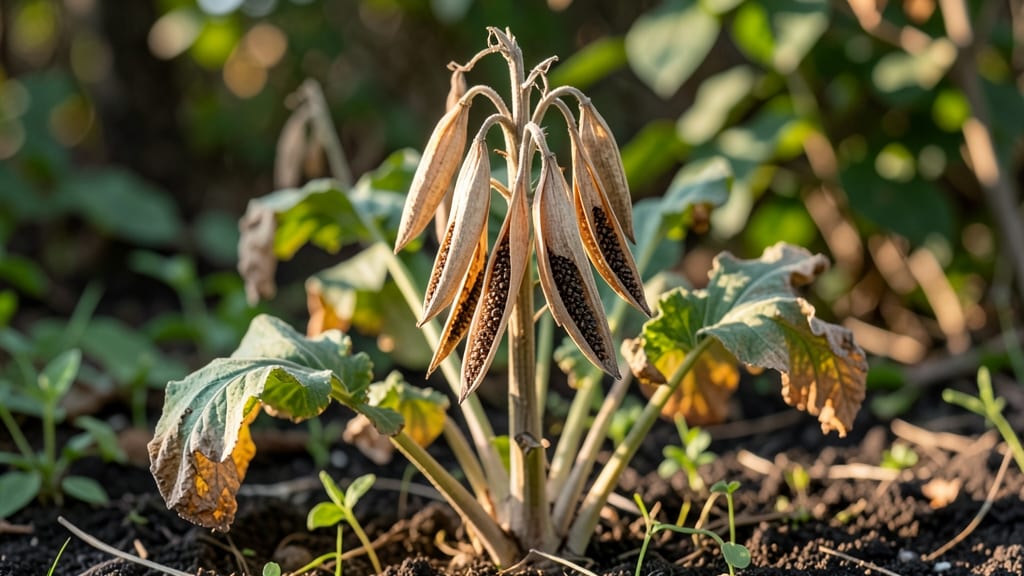
Harvesting lettuce seed pods is the secret to growing heirloom varieties forever—no store-bought seeds needed. 🌱 The key is timing: those papery pods turn from green to brown when seeds are ready, but twist off before they fully dry.
I've saved seeds from my 'Black Seeded Simpson' lettuce for three years now, and the trick is all in how you collect them. You'll need just three things: a clean paper bag, a pair of sharp scissors, and patience.
Cut the pods when they're 70-80% dry, then let them finish ripening indoors. The twist-off method saves you from messy seed cleaning—just shake the dried pods over paper and sift out the fluff. Store seeds in an envelope for up to five years if kept cool and dry.
What you end up with is a stash of seeds that grow just like the parent plant—no bolted seedlings or weak starts. The first harvest from saved seeds is always the most rewarding, and you'll spot the difference in flavor right away.
This works for all leaf lettuces, from butterheads to romaine, as long as they're open-pollinated varieties. Here's where it gets interesting: if you grow multiple varieties nearby, you might get mixed seeds. To keep true types, isolate plants by 20 feet or use row covers.
Now go find those drying pods before they scatter—your future garden starts here!
📚 In This Guide
- What you need
- Instructions
- Tips and common mistakes
- Wrapping up and next steps
What you need
- ● Lettuce plants: Choose loose-leaf or butterhead varieties (e.g., 'Black Seeded Simpson' or 'Jericho')—they bolt (go to seed) more reliably than crisphead types. Aim for 3–5 mature plants for a decent seed harvest.
- ● Scissors or pruning shears: Sharp, clean tools to snip seed stalks without damaging the plant. Sterilize with rubbing alcohol before use!
- ● Paper bags or breathable mesh bags: 4–6 bags (one per plant or per variety). Use 100% unbleached kraft paper or seed-saving bags to prevent moisture buildup.
- ● Labeling tags or masking tape + marker: Write the variety name and harvest date on each bag to track seeds.
- ● Drying tray or screen: A wire mesh rack or clean, flat surface in a dry, shaded area (e.g., garage or shed). Avoid direct sunlight.
- ○ Glove (optional): Protects hands from prickly seed pods (especially in romaine varieties).
- ○ Fan (optional): A small USB-powered fan speeds up drying by circulating air around seed pods.
- ○ Seed envelope kit (optional): For long-term storage, use paper or mylar seed envelopes (available at garden centers).
- ○ Humidity pack (optional): A silica gel packet in storage containers prevents mold during seed preservation.
- ○ Notebook or app (optional): Track germination rates, plant traits, or notes on growing conditions for future reference.
- ● Patience: Lettuce seed pods take 4–6 weeks to fully mature after bolting. Monitor plants daily for brown, papery pods.
- ● Weather awareness: Harvest pods on a dry, sunny day to avoid moisture-related spoilage.
- ● Space for drying: Ensure a low-humidity area (below 50% humidity) to prevent mold.
How to harvest lettuce seeds without twisting the stems
Here’s the gentle method I’ve used for years to collect viable lettuce seeds—no broken stems or wasted plants.
🌱 Step 1: Identify and Select Mature Heads
Wait until your lettuce plants bolt—those tall flower stalks mean it’s time to harvest. Look for heads that have fully formed seed pods but haven’t yet turned brown or brittle. These are your best candidates for viable seeds. I like to pick heads with at least 50% of pods still green—they’ll yield the most seeds.
Gently twist the entire head from the base, holding it near the stem to avoid snapping. If it resists, the plant isn’t ready yet. You’ll know it’s ripe when the head pulls free with just a slight tug. Don’t yank—lettuce stems are delicate, and forcing them can damage the roots of neighboring plants.
🌿 Step 2: Dry the Heads Properly
Hang the harvested heads upside down in a dry, well-ventilated spot for 7-10 days. I use a mesh bag or an old pair of tights tied to a hook in my garage. This allows air to circulate around the pods while keeping them protected from pests. You’ll see the pods darken and dry out—wait until they’re crispy to the touch but haven’t yet started crumbling.
Check daily for signs of mold or pests. If you notice any, move the heads to a cooler, drier location immediately. The goal is to dry them slowly and evenly—rushing this step can make the seeds less viable. A fan on low speed can help speed up the process without damaging the pods.
💧 Step 3: Extract Seeds From Dried Pods
Once the pods are completely dry, place the heads in a large paper bag and seal it tightly. Shake gently for 1-2 minutes to dislodge the seeds. The pods should crumble easily, releasing tiny black seeds. I like to do this over a tray or sheet of paper to catch any stray seeds that might escape the bag.
After shaking, remove the heads and give the bag one final shake to collect any remaining seeds. Sift the contents through a fine-mesh strainer to separate the seeds from pod debris. Store the seeds in a labeled envelope or small jar in a cool, dark place. They’ll stay viable for 2-3 years if kept dry.
✂️ Step 4: Clean and Store for Next Year
Wipe down your tools and workspace with rubbing alcohol to prevent cross-contamination between seed varieties. I always label my seed envelopes with the variety name and harvest date—this helps me track which seeds I’ve collected and when they were harvested. A simple pencil mark on the envelope works just fine.
For extra protection, place a small packet of silica gel in the jar or envelope with the seeds. This helps absorb any lingering moisture and extends their shelf life. Keep the seeds in a sealed container to protect them from humidity and pests. Next spring, you’ll have fresh, homegrown lettuce ready to plant!
Tips & tricks for perfect lettuce seed harvesting
Here's what nobody tells you about saving those tiny black seeds without wrecking your plants.
Timing Secret: In Step 1, those 50% green pods are your sweet spot—any browner and the seeds lose viability. I've learned the hard way that waiting until pods turn completely brown means fewer seeds and less vigor. If you're unsure, gently squeeze a pod: it should give slightly but not crumble. The right moment is when the pods feel firm but the heads pull easily from the base.
Drying Wisdom: During those critical 7-10 days in Step 2, humidity is your enemy. I've had batches go moldy because I hung them in my damp basement. Instead, try a well-ventilated closet with a small fan blowing across them—this speeds up drying without damaging the pods. You'll know they're ready when they rattle like tiny maracas when shaken gently.
Seed Extraction Hack: For Step 3's 1-2 minutes of shaking, I've found that placing the bag inside a second, larger bag creates less mess. The outer bag catches any seeds that might escape the inner bag during shaking. After shaking, I give the bag one final shake over a white plate—black seeds show up dramatically against the light background, making cleanup effortless.
Storage Strategy: That 2-3 year viability window in Step 4 only applies if you keep seeds completely dry. I store mine in small glass jars with a tiny packet of silica gel. The gel absorbs any moisture that might sneak in, and the glass jars let me see the seeds at a glance. Labeling with both the variety and harvest date helps me track which seeds are freshest for planting.
Pro Tips for Lettuce Seed Pods
- Here's what nobody tells you about saving those tiny black seeds without wrecking your plants.
- Timing Secret: In Step 1, those 50% green pods are your sweet spot—any browner and the seeds lose viability.
- Drying Wisdom: During those critical 7-10 days in Step 2, humidity is your enemy.
Frequently asked questions
Got questions about harvesting lettuce seed pods? You’re in the right place! Here are some of the most common queries—and their straightforward answers—to help you master the process like a pro.
What’s the best time to harvest lettuce seed pods?
Harvest seed pods when they’re dry but not brittle—usually 4–6 weeks after flowering. Look for pods that turn brownish or tan and split open slightly. Morning harvests work best, as dew keeps pods flexible. Avoid harvesting in wet conditions to prevent mold or rot.
Can I save seeds from store-bought lettuce?
Unfortunately, most commercial lettuce is bred for hybrid vigor and won’t produce true-to-type seeds. Stick to heirloom or open-pollinated varieties labeled “seed-saving friendly.” Check seed packets for “OK for seed” or ask local organic growers for reliable sources.
How long do lettuce seed pods stay viable?
Freshly harvested lettuce seeds last 2–3 years if stored properly in a cool, dark place (like a sealed jar in the fridge). For longer storage, dry seeds completely, then place them in an airtight container with a desiccant packet. Test viability by planting a few seeds—if they sprout, your batch is good!
What should I do if my seed pods mold or rot?
Mold or rot usually means high humidity or overripe pods. To fix it, harvest pods earlier (when still firm) and dry them in a well-ventilated area away from direct sunlight. If pods are already moldy, discard them immediately—mold can contaminate your entire seed batch.
Are there alternatives to growing lettuce for seed pods?
Yes! Try leaf lettuce varieties like ‘Black Seeded Simpson’ or ‘Tom Thumb’ for easier seed-saving. For beginners, consider achieve (a close relative) or endive, which also produce viable seeds. Just ensure they’re not hybrids—always check labels!
Wrapping up and next steps
Growing your own lettuce seed pods is a rewarding way to ensure a fresh, year-round harvest of viable seeds—no twists or frustrations involved! 🌱 Whether you're a seasoned gardener or just starting out, mastering this technique empowers you to sustainably propagate your favorite lettuce varieties.
Now that you’re equipped with the right materials and answers to common questions, it’s time to roll up your sleeves and grow with confidence.
Your next step? Start small—pick a sunny spot in your garden or balcony, gather your supplies, and dive in! With patience and practice, you’ll soon be sharing your homegrown lettuce seeds with fellow green thumbs or even selling them at local markets. Happy harvesting! 🌿✨