Lawn
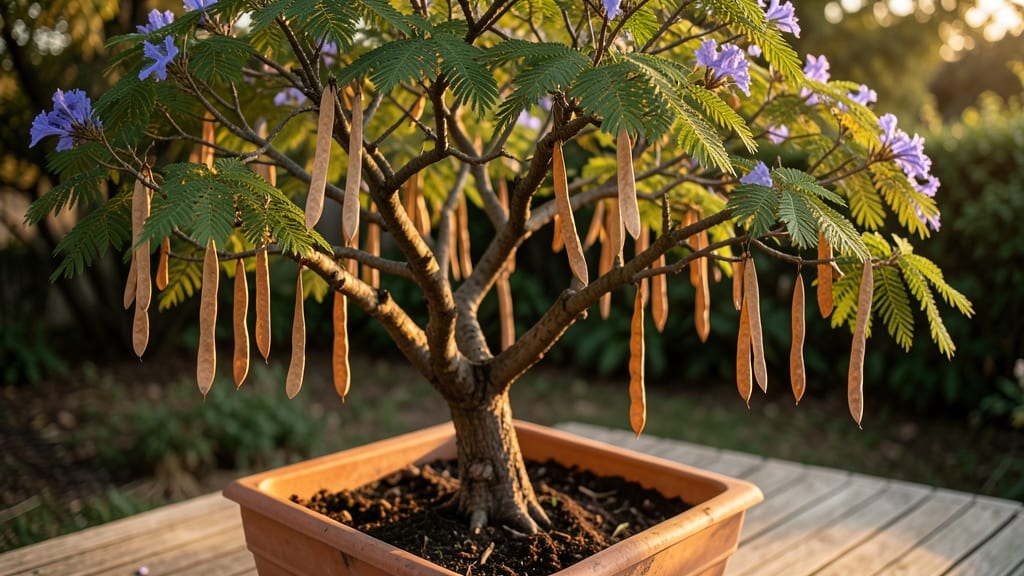
Jacaranda tree seed pods hold the promise of that iconic purple canopy in your own yard—if you crack the germination code first. 🌿 The key isn't just planting them; it's understanding how soil temperature and your hardiness zone dictate when those pods finally surrender their seeds.
My first attempt failed because I ignored these critical factors, but now I know exactly when and how to break dormancy for reliable sprouts.
You'll need just three things: fresh seed pods (collected in late summer), a warm spot (70-80°F soil), and patience—jacaranda seeds can take 3-6 months to germinate, depending on your zone. The pods themselves are tough; they need scarification (a light sandpaper rub) or cold stratification before they'll cooperate.
Once you get past that, the real magic happens in spring when little green shoots finally push through.
What you end up with is a sturdy seedling that can handle full sun and drought once established—though the first year requires careful watering to prevent root stress. The purple blooms won't come for years, but that first true leaf is your reward for beating dormancy.
I've had seedlings thrive in zones 8-11 with minimal fuss after the initial germination hurdle.
For cooler climates, start pods indoors under grow lights in winter. The biggest mistake? Giving up too soon—jacaranda seeds test your commitment. But once you see that first shoot, you'll understand why the wait is worth it. Here's exactly how to make it work in your zone.
📚 In This Guide
- What you need
- Instructions
- Tips and common mistakes
- Wrapping up and next steps
What you need
- ● Jacaranda seed pods: 5–10 mature, dry pods (harvested in late fall/winter for best results).
- ● Well-draining potting mix: 1–2 gallons of a cactus/succulent blend (or regular potting soil mixed with 50% perlite or sand to prevent rot).
- ● Small pots or seed trays: 3–4 inch diameter pots (or a tray with drainage holes) for each seed pod.
- ● Drainage material: Pebbles, perlite, or broken pottery pieces (1–2 inches thick) for the pot bottom.
- ● Spray bottle: For gentle watering (avoid soaking!).
- ● Plastic wrap or humidity dome: To maintain moisture during germination.
- ● Grow lights or sunny windowsill: A south-facing window or LED grow lights (12–14 hours/day) for optimal light.
- ● Seed germination kit: Pre-moistened seed-starting mats for convenience.
- ● Fungicide: A mild solution (like hydrogen peroxide 3%) to prevent mold.
- ● Heat mat: For zones 5–7 (keeps soil at 70–80°F to speed up germination).
- ● Label markers: To track planting dates and seed pod sources.
- ● Outdoor nursery area: A sheltered spot (e.g., greenhouse or patio) for hardening off seedlings.
How to germinate jacaranda tree seeds successfully
Here's the straightforward method I've used to coax jacaranda seeds into sprouts—no guesswork, just reliable steps.
🌱 Step 1: Extract and Clean the Seeds
Open the dry jacaranda seed pods carefully—they'll split naturally when mature. Inside, you'll find 1-4 large, flat seeds per pod. Remove them and soak in lukewarm water for 24 hours to soften the hard outer shell. This step is critical because jacaranda seeds have thick seed coats that resist water absorption without soaking.
After soaking, gently rub the seeds between your fingers to remove any remaining fibrous material. You'll see a smooth, dark brown seed inside. Discard any seeds that feel soft or mushy—these won't germinate. The good seeds will feel firm and slightly waxy to the touch. This cleaning process prevents mold and ensures better contact with moisture during germination.
💧 Step 2: Prepare the Germination Medium
Fill a small container with a mix of 50% peat moss and 50% perlite—this lightweight blend prevents rot while holding enough moisture. Keep the container in a warm, shaded spot (around 70-75°F) because jacaranda seeds need consistent warmth to sprout. I use a seedling heat mat set to 75°F for best results.
Moisten the mix until it's damp but not soggy—think of a wrung-out sponge. Press the cleaned seeds ½ inch deep into the soil, spacing them 1 inch apart. Don't bury them deeper; they need light to trigger germination. Cover the container loosely with plastic wrap to retain humidity, but leave a small gap for airflow to prevent fungal growth.
☀️ Step 3: Monitor Germination Conditions
Check the container daily for moisture—jacaranda seeds need consistently damp soil, but never waterlogged. Mist lightly with a spray bottle if the surface feels dry to the touch. Germination typically takes 2-4 weeks, but seeds in cooler zones (USDA 8 and below) may take up to 6 weeks. You'll see the first sign of life when tiny green shoots push through the soil.
Once sprouts appear, remove the plastic wrap immediately to prevent damping-off. Place the container under bright, indirect light—direct sun at this stage can scorch delicate seedlings. If using grow lights, position them 4-6 inches above the seedlings for 12-14 hours daily. You'll know the light is right when the seedlings grow upright with dark green leaves.
🌿 Step 4: Transplant Seedlings When Ready
After 4-6 weeks of growth and when seedlings reach 3-4 inches tall with 2-3 sets of true leaves, they're ready to move. Choose individual 4-inch pots filled with a mix of potting soil and compost for their first transplant. Handle the seedlings gently by their leaves—never the stems—to avoid damage.
Plant each seedling at the same depth it grew in the germination container. Water thoroughly after transplanting, and place the pots in a bright, sheltered spot for 1-2 weeks to help them adjust. Avoid direct sun during this period—it can stress young roots. You'll see strong, healthy growth when the leaves remain vibrant and the stems firm up.
⏰ Step 5: Harden Off Before Outdoor Planting
Once seedlings are 6-8 inches tall and have 5-6 sets of leaves, it's time to harden them off. Start by placing them outside in a shaded, protected area for 1-2 hours daily, gradually increasing exposure over 2 weeks. This slow transition prevents shock and helps them adapt to outdoor conditions.
After hardening off, plant your jacaranda seedlings in the ground or larger containers in spring after the last frost. Choose a location with full sun exposure and well-draining soil. Water deeply after planting to settle the roots, and mulch around the base to retain moisture. With patience, your seedlings will grow into stunning jacaranda trees with their signature purple blooms.
Tips & tricks for perfect jacaranda seed germination
These practical insights will help you navigate the quirks of jacaranda seed germination with confidence.
Soaking Strategy: The 24-hour lukewarm water soak is non-negotiable for breaking jacaranda seed dormancy. I've found that using a glass jar with a loose lid prevents mold growth while allowing oxygen circulation. Change the water halfway through if it gets cloudy—this keeps the seeds fresh and ready for planting. The goal is to soften the seed coat without over-soaking, which can cause rot.
Temperature Matters: Maintaining that 75°F soil temperature is crucial, but don't panic if your home environment fluctuates. Place your seed container on top of a refrigerator (not inside) for consistent warmth if your home runs cooler. I've seen germination rates drop dramatically when seeds sit below 70°F—patience pays off when you keep them in that ideal range. For cooler climates, consider using a seedling heat mat under the container.
Lighting Insight: Those 12-14 hours of bright, indirect light are essential once sprouts appear. I've had success using a simple LED grow light bulb positioned 6 inches above the seedlings—it's affordable and effective. Watch for leaves that look pale or stretched toward the light; this means they need more intensity. Natural south-facing windows work too, but direct sunlight can scorch tender seedlings during their first few weeks.
Transplant Timing: Waiting until seedlings reach 3-4 inches with 2-3 sets of true leaves ensures they have strong enough roots for transplanting. I've learned the hard way that rushing this step leads to shock and stunted growth. When you're ready, use a small trowel to gently loosen the soil around the roots—this minimizes root disturbance. The first few days after transplanting are critical, so keep the pots in a sheltered spot where they can acclimate without stress.
Pro Tips for Jacaranda Tree Seed Pods
- These practical insights will help you navigate the quirks of jacaranda seed germination with confidence.
- Soaking Strategy: The 24-hour lukewarm water soak is non-negotiable for breaking jacaranda seed dormancy.
- Temperature Matters: Maintaining that 75°F soil temperature is crucial, but don't panic if your home environment fluctuates.
Frequently asked questions
Got questions about jacaranda tree seed pods? You’re not alone—these unique pods spark curiosity! Here are answers to the most common queries to help you navigate germination, care, and troubleshooting like a pro.
How long do jacaranda seed pods take to germinate?
Germination can take 4 to 8 weeks under ideal conditions (warm soil, 70–80°F, and consistent moisture). Patience is key—some pods may take even longer, especially in cooler zones. Pro tip: Soak pods overnight before planting to speed up the process!
What’s the best soil temperature for germinating jacaranda seed pods?
Jacaranda seeds thrive in warm soil (70–85°F). If your zone’s spring is chilly, use a heat mat or start indoors 6–8 weeks before the last frost. Avoid cold, damp soil—it can cause rot. Pro tip: Test soil temp with a thermometer for accuracy!
Can I plant jacaranda seed pods directly outdoors?
Yes, but timing matters! Plant pods after the last frost when soil is warm. Direct sowing works best in zones 9–11. For cooler zones (7–8), start indoors or use a greenhouse. Pro tip: Mulch lightly to retain warmth and moisture.
Why aren’t my jacaranda seed pods sprouting?
Common culprits: cold soil, dryness, or poor seed viability. Check moisture levels, ensure warmth, and test a few pods for rot. If pods are shriveled or moldy, they may be past their prime. Pro tip: Try a fresh batch or scarify (nick) the seed coat to encourage germination.
What’s the fastest way to grow a jacaranda from seed?
For speed, soak pods overnight, plant in well-draining, sandy loam, and keep soil consistently moist (not soggy). Use a clear plastic dome to retain humidity. Transplant seedlings outdoors after 3–4 true leaves appear. Pro tip: Fertilize lightly with a balanced 10-10-10 mix once sprouts emerge!
Wrapping up and next steps
Jacaranda tree seed pods hold the promise of vibrant purple blooms and tropical charm—but success starts with patience and the right conditions! Whether you’re in Zone 9-11 or adjusting for cooler temps, understanding the germination timeline and soil needs is your first step to nurturing these stunning trees.
With the right prep, you’re already halfway to a thriving jacaranda in your landscape.
Ready to take the next step? Start by gathering your supplies—then dive into planting those pods with confidence! 🌱✨ Your future tree is waiting.