
How To
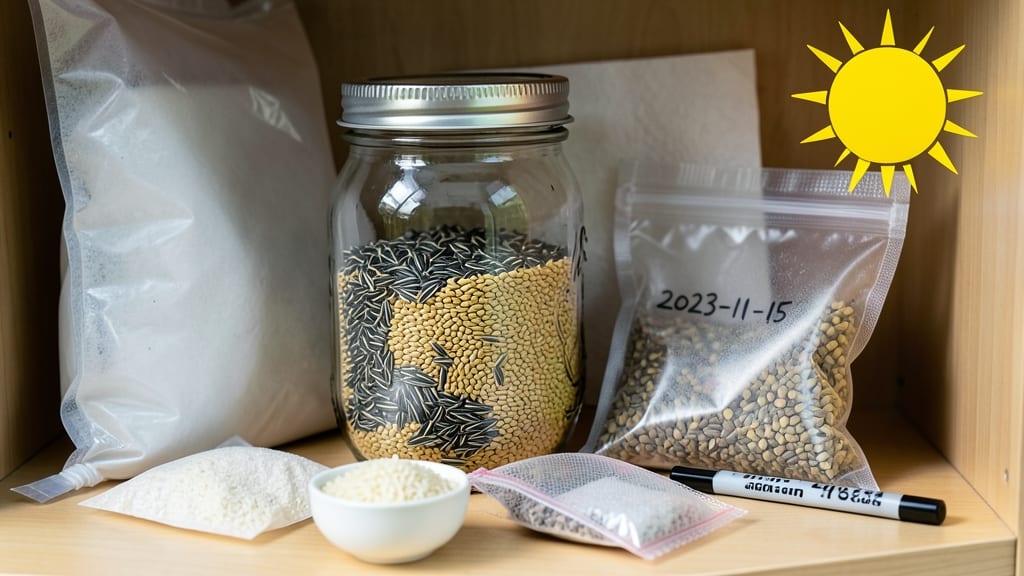
That first damp spot on your bird seed bag means trouble—sprouting seeds you didn’t plan for. 🌱 I’ve lost entire batches to humidity and heat, but these storage tricks keep seeds dry and ready for winter feeders all season long.
The key is blocking three enemies: moisture, warmth, and air. Use thick plastic containers with tight seals, store seeds in cool spots like basements or garages (below 60°F), and add silica gel packets or rice for extra dryness. Even pantry seeds need this protection.
If seeds do sprout, don’t toss them—plant them! Many bird seeds (like sunflower) grow into hardy annuals. Just replant in well-drained soil and watch them thrive where feeders once stood. The worst that happens is a free garden patch.
For gardeners, this same method works for storing any seeds—vegetable, flower, or herb. Just label containers and check them every few months. Your future feeders (and future gardens) will thank you.
📚 In This Guide
- What you need
- Instructions
- Tips and common mistakes
- Wrapping up and next steps
What you need
- ● Air-tight containers: 2–3 containers (e.g., Mason jars, plastic bins with seals, or food-grade buckets). Choose sizes based on seed volume—small jars for 1–2 lbs, larger bins for 5+ lbs.
- ● Desiccant packets: 1–2 silica gel packs (200–500g each) or calcium chloride canisters. Place 1 packet per 5 lbs of seed.
- ○ Food-grade buckets or bins: Optional but ideal for bulk storage (e.g., 5-gallon buckets with gamma-seal lids).
- ● Fine-mesh breathable bags: 1–2 breathable cotton or burlap bags (for long-term storage if containers aren’t available).
- ● Humidity indicator cards: 1–2 cards (to monitor moisture levels; available at hardware stores).
- ● Labeling supplies: Masking tape + marker or printable labels to note seed type and date.
- ● Vacuum sealer: For ultra-long-term storage (seals out air and moisture).
- ● Oxygen absorbers: 1–2 absorbers per container (if storing seeds for 6+ months).
- ● Freezer-safe bags: For short-term freezing (3–6 months; thaw before use).
- ● Moisture absorber crystals: DampRid or similar (place at the bottom of containers).
Step-by-Step guide to preventing bird seed sprouting
Here’s how I keep bird seed fresh and sprout-free for months—no fancy equipment needed.
🪴 Step 1: Choose the Right Storage Container
Use an airtight, moisture-proof container like a glass jar, sealed plastic bin, or metal canister. Avoid cardboard or paper bags—they let air and humidity in, which triggers sprouting. I prefer glass jars with rubber seals because they’re easy to clean and won’t absorb odors.
Make sure the container is completely dry before adding seed. Even a little dampness can kickstart germination. Run a clean, dry cloth over the inside if you’re repurposing a container—lingering moisture is the enemy.
💧 Step 2: Keep Seed Bone-Dry Before and After Storage
Never store seed that’s still damp from purchase or handling. If the bag feels slightly sticky or clumpy, spread it on a clean baking sheet and let it dry in a cool, dark place for 24 hours. A warm oven or direct sunlight will cook the seed—just let it air-dry naturally.
Once dry, fill the container completely to minimize air exposure. A full container creates a better seal, reducing the risk of moisture creeping in. If you’re storing only part of a bag, transfer it to a smaller container immediately—don’t leave it in the original packaging.
☀️ Step 3: Store in a Cool, Dark, and Stable Environment
Ideal storage conditions are 50-60°F and low humidity—basements, pantries, or closets work best. Avoid garages, attics, or anywhere temperatures fluctuate wildly. I keep mine in a linen closet because it stays consistently cool and dark.
Direct sunlight or heat sources (like stoves or refrigerators) will raise the seed’s temperature and speed up spoilage. If your storage area gets humid, toss in a small silica gel packet or a charcoal briquette to absorb excess moisture without harming the seed.
⏰ Step 4: Monitor and Rotate Seed Regularly
Check your stored seed every 3-6 months for signs of sprouting, mold, or pests. Healthy seed should look dry, smell neutral, and feel firm to the touch. If you notice any soft spots, musty odors, or tiny green shoots, discard it immediately—even a little sprouting means the rest will follow.
Use the first-in, first-out (FIFO) method: Label containers with the purchase date and use the oldest seed first. This prevents you from accidentally storing seed past its prime. Most bird seed stays fresh for 6-12 months under these conditions, but sunflower seeds often last longer than millet or cracked corn.
🌱 Step 5: Freeze for Extra-Long-Term Storage (Optional)
For seed you won’t use within a year, freezing is the gold standard. Spread seed on a tray, freeze for 24 hours, then transfer to a heavy-duty freezer bag with all the air squeezed out. Seal tightly and store in the coldest part of your freezer.
Frozen seed can last 1-2 years without sprouting. Just thaw it in the fridge overnight before using—never microwave or leave it out at room temperature. This method is overkill for most bird feeders, but it’s a lifesaver if you buy seed in bulk.
Tips & tricks for preventing bird seed sprouting
Real talk: Even the best-laid storage plans can go wrong if you miss these key details. Here's what I've learned after dealing with sprouted seed more times than I'd like to admit.
Container Selection: Don't just grab any container—opt for ones with airtight seals that actually close properly. I've tried those cheap plastic bins that claim to be airtight, only to find damp seed weeks later. Test your container by filling it with water and checking for leaks before using it for seed. Also, avoid containers with rough interiors that can snag seed and create air pockets where moisture collects.
Drying Strategy: That 24-hour drying time in Step 2 is non-negotiable if your seed feels damp. I learned this the hard way after storing slightly sticky seed and waking up to sprouts. Spread seed in a single layer on the baking sheet—piling it creates steam that defeats the purpose. For extra insurance, place the baking sheet on a wire rack over a bowl to catch any condensation that forms during drying.
Environmental Watch: The 50-60°F range in Step 3 isn't just arbitrary—it's where seed stays dormant longest. Use a thermometer to check your storage spot if you're unsure. I keep mine near a window but not in direct light, and I've never had sprouting issues. Pro tip: If your home gets particularly humid (like in summer), add a small dish of rice to your storage container—it naturally absorbs moisture without chemicals.
Freezing Hack: For that optional freezing method in Step 5, here's what nobody tells you: After the initial 24-hour freeze, let the seed sit in the freezer for another 12 hours before bagging. This extra time ensures any lingering moisture crystallizes, preventing future condensation buildup in the bag. When thawing, spread the seed on a tray first—never thaw directly in the bag, or you'll end up with clumps.
Pro Tips for Keep Bird Seed From Sprouting
- Real talk: Even the best-laid storage plans can go wrong if you miss these key details.
- Container Selection: Don't just grab any container—opt for ones with airtight seals that actually close properly.
- Drying Strategy: That 24-hour drying time in Step 2 is non-negotiable if your seed feels damp.
Frequently asked questions
Got lingering questions about keeping bird seed fresh and sprout-free? You’re not alone! Here are answers to the most common concerns—because nobody wants to deal with moldy or germinated seed when feeding feathered friends.
Why does bird seed sprout in the first place?
Bird seed sprouts due to moisture and warmth. Seeds contain natural oils and water content that activate when exposed to humidity or damp conditions. Even a little condensation or air leaks in storage can trigger germination. Think of it like a seed’s survival instinct kicking in—too bad for your stash!
Can I still use sprouted bird seed for feeding birds?
While sprouted seeds aren’t toxic, they’re less nutritious and can attract pests like rodents or insects. Birds may still eat them, but fresh, unsprouted seed is always the best choice. If you spot sprouts, compost them instead of feeding them to birds.
How long does bird seed last if stored properly?
With dry, airtight storage, most bird seed stays fresh for 6–12 months. Sunflower seeds and millet typically last the longest, while softer seeds like safflower may degrade faster. Always check for rancidity (smell or color changes) before serving.
What’s the best container to prevent sprouting?
Airtight containers made of glass, metal, or heavy-duty plastic work best. Avoid clear plastic bins—they trap heat and moisture. Look for containers with oxygen absorbers or desiccant packs to maximize freshness. Pro tip: Store in a cool, dark pantry, not the garage!
Can I use expired bird seed if it’s still dry?
If the seed is dry, free of mold, and hasn’t sprouted, it’s usually safe to feed—but the nutritional value may drop. Test a small batch first. For long-term storage, buy in smaller quantities or freeze seed in vacuum-sealed bags to extend shelf life.
What’s the quickest way to dry out damp bird seed?
Spread damp seed on a paper towel or baking sheet in a single layer. Let it air-dry in a well-ventilated, shaded area for 1–2 days. Avoid direct sunlight or heat sources, which can cause uneven drying. Once fully dry, store it properly to prevent future sprouting.
Wrapping up and next steps
Keeping your bird seed fresh and sprout-free is all about smart storage and preventative care—whether you’re feeding backyard birds or prepping for a big project.
By choosing the right containers, controlling moisture and temperature, and practicing proper handling, you’ll extend the life of your seed and save money in the long run. 🌱✨
Now that you’re armed with these dry storage secrets, take the next step: audit your current seed storage setup! Check for leaks, expired seed, or damp areas, and give your supplies a refresh. Your feathered friends—and your wallet—will thank you! 🐦💛