
Lawn
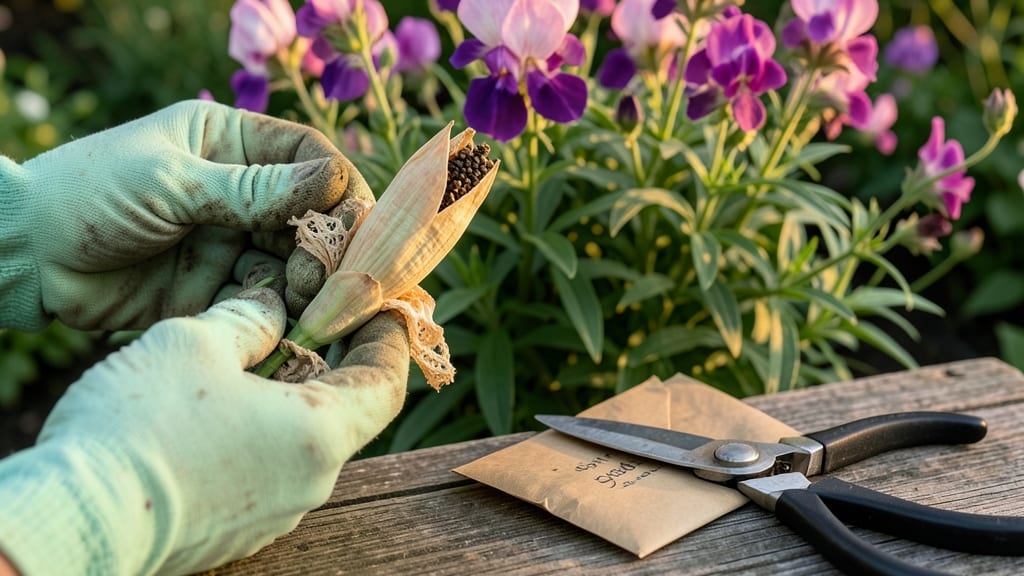
Harvesting snap dragon seed pods turns last year’s blooms into next season’s vibrant colors—if you do it right. 🌸 The key is timing: pods should turn from green to a papery brown, splitting open just enough to reveal tiny seeds inside.
Miss this window, and you’ll lose viability or attract pests before the seeds mature.
Grab a small bowl and snip pods with clean scissors, leaving a bit of stem attached. Spread them on a screen or paper towel in a dry, shaded spot for 1-2 weeks—this prevents mold while letting seeds fully dry.
Once crisp, gently crush pods between your fingers to release seeds, then winnow away chaff with a fan or gentle breeze.
Store seeds in an airtight container with a silica packet to keep moisture out. Label with the variety and date—most snap dragons stay viable for 2-3 years if stored properly. When sowing, scatter seeds on soil (no need to bury) and keep them moist until germination in 10-20 days.
Common pitfalls? Overripe pods crumble, and damp conditions breed mold. For best results, harvest on dry mornings and avoid direct sunlight during drying. Your next garden’s rainbow starts with these tiny, patient pods.
📚 In This Guide
- What you need
- Instructions
- Tips and common mistakes
- Wrapping up and next steps
What you need
- ● Snapdragon plants (Antirrhinum majus) – Mature, healthy plants with fully developed seed pods (typically late summer to early fall).
- ● Sharp pruning shears or scissors – For cleanly cutting seed pods without damaging the stems.
- ● Brown paper bags or breathable mesh bags – 1-2 bags per plant to collect pods (avoid plastic to prevent moisture buildup).
- ● Drying rack or screen – A flat, elevated surface (like a wire cooling rack or a wooden screen) to allow airflow.
- ● Air-dry space – A warm, dry, and well-ventilated area (e.g., garage, shed, or indoor space with a fan).
- ● Small paper envelopes or airtight containers – For long-term storage (e.g., glass jars with tight lids or seed-saving envelopes).
- ● Permanent marker – To label containers with the plant variety and harvest date.
- ● Desiccant packets – Place one in storage containers to absorb excess moisture.
- ● Fine-mesh strainer – For separating seeds from chaff after drying.
- ● Humidity monitor – To ensure your drying space stays below 50% humidity.
- ● Plant identification guide or app – If you’re unsure of your snapdragon varieties.
- ● Glove – To protect your hands from prickly stems or dry pods.
Step-by-step instructions for harvesting, drying, and storing snapdragon seed pods
Here’s my foolproof method for preserving snapdragon seeds—no guesswork, just vibrant blooms next season.
🌿 Step 1: Identify and Harvest Mature Seed Pods
Wait until the seed pods turn from green to a dry, papery brown—this signals they’re fully mature. Snapdragons produce pods after flowering, so deadhead spent blooms early to redirect energy. Gently twist each pod at its base until it releases with a soft pop—don’t pull too hard or you’ll snap the stem.
Harvest on a dry morning after dew has evaporated. This prevents moisture from seeping into the pods and causing mold. I like to work with a small basket lined with newspaper to catch any stray pods. If a pod feels spongy or still green inside, leave it for another week—immature pods won’t store well.
💧 Step 2: Dry the Seed Pods Thoroughly
Spread the harvested pods in a single layer on a clean, dry surface like a wire rack or baking sheet. Choose a warm, well-ventilated spot away from direct sunlight—too much heat can scorch the pods before they’re fully dry. A sunny windowsill works, but avoid midday sun.
Turn the pods every 24 hours to ensure even drying. They’re ready when the outer shell crinkles slightly when touched and the seeds rattle inside. This usually takes 7-10 days, depending on humidity. If your home is damp, prop a small fan nearby to speed up the process. Never use a dehydrator—it can over-dry the pods and damage the seeds.
✂️ Step 3: Extract and Clean the Seeds
Once dry, hold each pod over a clean bowl or envelope and gently squeeze it between your fingers. The seeds will spill out like tiny brown beads. I find it’s easiest to do this outside or over a tray to catch any stray debris. Discard any pods that feel hard or don’t release seeds—these are likely empty or moldy.
Sift the seeds through a fine-mesh strainer to remove chaff and debris. For extra cleanliness, spread them on a piece of paper and use a soft brush to remove any remaining plant matter. Store the seeds in a labeled envelope or small jar until you’re ready to plant them next season.
🪴 Step 4: Store Seeds Properly for Viability
Place the cleaned seeds in an airtight container like a glass jar or resealable bag. Add a small packet of silica gel or a few uncooked rice grains to absorb any lingering moisture. Label the container with the snapdragon variety and the harvest date—seeds stay viable for 2-3 years when stored correctly.
Keep the container in a cool, dark place like a pantry or refrigerator. Avoid the freezer unless you’re storing seeds for more than three years—temperature fluctuations can reduce germination rates. Check the container every few months to ensure no moisture has developed, and reseal if needed.
Tips & tricks for perfect snapdragon seed pod preservation
Here's what I learned after years of saving snapdragon seeds—these little details make all the difference between seeds that thrive and ones that disappoint.
Harvesting Precision: The dry morning harvest is non-negotiable—dew can ruin your entire batch. I've ruined three harvests by ignoring this, so trust me when I say to wait until dew has completely evaporated. Also, that "pop" sound when twisting pods? It's your cue that the pod is ready. If it cracks with resistance, it's not mature yet.
Drying Strategy: The 24-hour turning schedule is crucial for even drying. I learned this the hard way when my first batch developed mold from uneven drying. Place pods on a screen or rack to allow airflow underneath—this prevents moisture buildup on the underside. And that crinkle test? It's your best indicator of readiness. If pods feel soft or pliable, they need more time.
Seed Extraction: When squeezing pods, work over a dark surface—seeds blend into light-colored paper. I use a black tray to spot every seed. For stubborn pods, gently tap them with a spoon before squeezing. This often releases seeds that might otherwise get stuck. Discard any pods that feel hollow when tapped—they're empty.
Storage Wisdom: The 2-3 year viability window assumes perfect storage conditions. I've had seeds last 4 years in my cool basement, but they germinated at only 60% rate. For longer storage, consider adding a tiny packet of silica gel to your container—it makes a noticeable difference in moisture control. Always label with the variety and harvest date, or you'll forget which snapdragon type you saved!
Pro Tips for Snap Dragon Seed Pod
- Here's what I learned after years of saving snapdragon seeds—these little details make all the difference between see...
- Harvesting Precision: The dry morning harvest is non-negotiable—dew can ruin your entire batch. I've ruined three har...
- Drying Strategy: The 24-hour turning schedule is crucial for even drying. I learned this the hard way when my first b...
Frequently asked questions
Got questions about snapdragon seed pods? You’re not alone! Here are some of the most common queries—and their answers—to help you master harvesting, drying, and storing these vibrant blooms for next season.
When is the best time to harvest snapdragon seed pods?
Harvest seed pods once they’ve turned brown and dried on the plant, but before they split open. Aim for late summer to early fall when pods are plump but still intact. If left too long, seeds scatter, and your yield drops!
How long does it take for snapdragon seed pods to dry indoors?
With proper airflow (like a mesh bag or paper bag), pods dry in 1–2 weeks. Place them in a warm, dry spot away from direct sunlight. Patience is key—rushing can lead to moldy seeds.
Can I save seeds from hybrid snapdragons?
Hybrid snapdragons (like ‘Matrix’ or ‘Tango’) often produce infertile seeds, so saved seeds may not grow true to the parent plant. For reliable colors, stick to heirloom varieties labeled “open-pollinated.”
What should I do if my stored seed pods get moldy?
Toss any moldy pods immediately—they’ll ruin your entire batch. To prevent this, store pods in a cool, dry place (like a sealed jar with silica gel) and avoid humidity. A quick fix? Freeze pods for 24 hours to kill mold spores.
Are there alternatives to drying pods on the plant?
Yes! If pods ripen too fast, cut stems and hang them upside down in a dark, airy space (like a garage). You can also spread pods on a screen or paper towel for faster drying. Just keep them moving to prevent mildew.
Wrapping up and next steps
Harvesting, drying, and storing snapdragon seed pods is a rewarding way to bring next season’s vibrant blooms right to your garden! 🌸 By following these simple steps—like waiting for pods to turn brown, drying them thoroughly, and storing them in a cool, dark place—you’ll ensure fresh seeds ready for planting.
Whether you’re a seasoned gardener or just starting, this process connects you to the cycle of growth and saves you money.
Ready to grow more? Grab those pods, get creative with your garden layout, and share your snapdragon adventures with fellow plant lovers. Happy gardening! 🌱