
Propagation
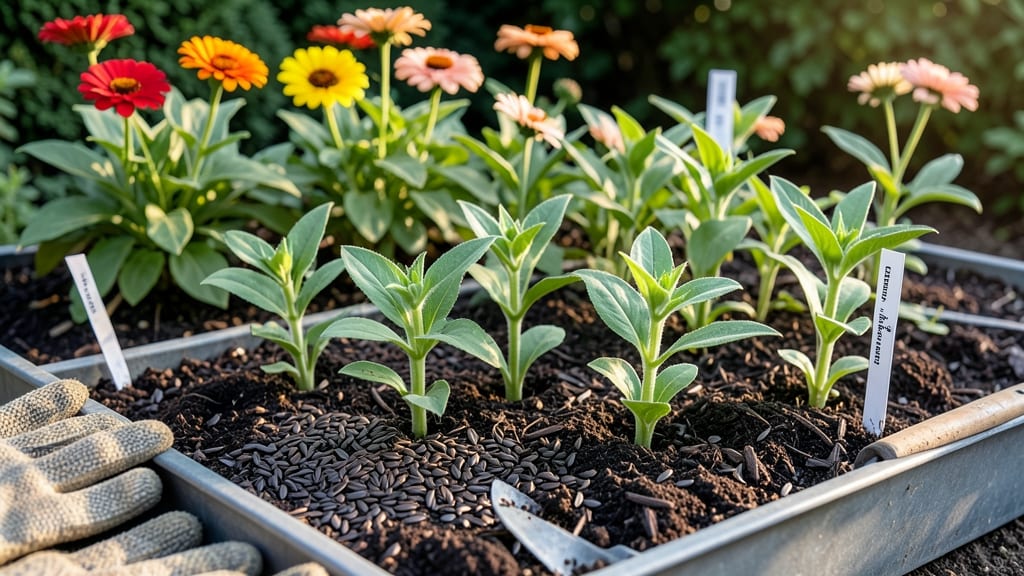
Growing zinnias from seed outdoors delivers vibrant, long-lasting blooms in just 60 days—no cold stratification needed. 🌻 I’ve watched these cheerful flowers transform bare soil into a riot of color, and the secret is simpler than you’d think: direct sowing in warm soil with proper spacing.
The key is timing—wait until nighttime temperatures stay above 50°F, then plant when the ground feels warm to the touch.
You’ll need just three things: a sunny spot (at least 6 hours of direct sun), loose soil mixed with compost, and zinnias seeds (which are surprisingly large and easy to handle).
Scatter seeds ¼-inch deep, space them 12-18 inches apart, and keep the soil lightly moist until sprouts appear—usually within 7-14 days. The first true leaves signal it’s time to thin seedlings to avoid overcrowding.
By mid-summer, you’ll be cutting armfuls of blooms for bouquets or letting bees buzz happily between stems. Zinnias thrive with regular watering at the base (never overhead) and occasional deadheading to encourage more flowers. Even my black thumb can’t kill these—just give them sunlight and patience.
For cooler climates, wait until after the last frost, and consider a row cover for early starts. If slugs appear, set out beer traps or diatomaceous earth—these flowers are worth protecting. The payoff? A garden that looks like it belongs in a postcard, all from seeds you planted yourself.
📚 In This Guide
- What you need
- Instructions
- Tips and common mistakes
- Wrapping up and next steps
What you need
- ● Zinnia seeds: Choose heirloom or hybrid varieties (e.g., 'Benary’s Giant,' 'Profusion,' or 'Zahara'). Start with 50–100 seeds for a small patch or 200+ seeds for a full border.
- ● Well-draining potting mix: 1–2 gallons of seed-starting mix (or a blend of 50% peat moss + 50% perlite/vermiculite).
- ● Containers: Small seed trays (with drainage holes) OR
- ● Biodegradable seed pots (e.g., peat or coconut coir).
- ● Garden soil: Loamy, well-amended soil with a pH 6.0–7.0. Mix in 2–3 inches of compost per square foot.
- ● Watering can or spray bottle: Fine-mist nozzle for gentle hydration.
- ○ Garden twine or stakes: 6-inch stakes (optional but helpful for support as plants grow).
- ● Seedling heat mat: Speeds up germination in cool climates (70–75°F ideal).
- ● Row covers or cloches: Protects young seedlings from pests or chilly nights.
- ● Slow-release fertilizer: 5–10–10 NPK ratio (sprinkle lightly at planting).
- ● Mulch: Straw or shredded leaves to retain moisture and suppress weeds.
- ● Pruning shears: For deadheading spent blooms (encourages more flowers!).
Step-by-Step instructions for growing zinnias from seed outdoors
Zinnias thrive with minimal fuss—here’s my foolproof method for vibrant blooms in just 60 days.
🌱 Step 1: Prepare the Soil and Plant Seeds Directly
Zinnias hate transplant shock, so I skip starting them indoors. Instead, wait until after your last frost date when soil reaches 60°F—they won’t germinate in cold soil. Choose a sunny spot with 6+ hours of direct sun daily; zinnias reward full sun with bold, long-lasting blooms.
Loosen the top 6 inches of soil with a garden fork or tiller, breaking up any compacted layers. Amend the soil with 2 inches of compost mixed in to improve drainage—zinnias despise soggy roots. Scatter seeds ¼ inch deep and 12 inches apart for single plants or 18 inches apart for bushier varieties like 'Benary’s Giant.' Lightly cover with soil and pat down gently.
💧 Step 2: Water and Maintain Moisture Until Germination
Keep the soil consistently moist but never soggy until germination, which typically occurs in 7-14 days. Water gently with a fine spray nozzle or soaker hose to avoid displacing seeds. You’ll know moisture is right when the soil surface looks slightly damp but not glistening.
Once seedlings emerge, reduce watering slightly—overwatering now invites damping-off, a fungal disease that collapses stems overnight. Let the top inch of soil dry out between waterings, but don’t let it become bone-dry. Thin seedlings to 12-18 inches apart when they reach 2 inches tall, snipping weaker stems at soil level with clean scissors.
☀️ Step 3: Fertilize and Prune for Continuous Blooms
After 4-6 weeks, when plants show 4-6 true leaves, feed with a balanced 10-10-10 fertilizer diluted to half-strength. Zinnias are light feeders—too much nitrogen produces lush foliage but few flowers. I apply fertilizer every 4-6 weeks during the growing season, always watering before and after to prevent root burn.
Deadhead spent blooms regularly by pinching off flowers just below the faded bloom head. This encourages more flowers to form and prolongs the blooming season. I also cut back leggy stems by ⅓ their height mid-season to promote bushier growth. Wear gloves—zinnias can be prickly!
⏰ Step 4: Extend the Season and Prepare for Winter
To keep zinnias blooming until frost, plant a second batch of seeds 6-8 weeks before your first fall frost. These late-season plants will thrive in cooler weather and provide color when many other annuals fade. Harvest seeds by allowing some flowers to mature fully, then drying them in a paper bag for next year’s garden.
After the first frost, cut back dead foliage to 2 inches above ground level and compost it. Zinnias are annuals, so no winter care is needed—just mark your planting spot for next season. I always plant zinnias near my patio so I can enjoy their cheerful blooms up close all summer long.
Tips & tricks for perfect zinnia blooms
Here's what nobody tells you about growing zinnias that'll make all the difference in your garden.
Soil Temperature Secret: That 60°F soil temperature in Step 1 isn't just a number—it's the magic threshold for germination. I've planted zinnias when soil was only 55°F and waited weeks for sprouts. Use a soil thermometer to confirm, especially in cooler climates. If you're planting early, consider using black plastic mulch to warm the soil faster—it can raise temperatures by 5-10°F.
Seed Spacing Strategy: The 12-18 inch spacing in Step 1 might seem generous, but it pays off. Crowded zinnias develop weak stems and fewer blooms. For bushier varieties like 'Benary's Giant,' I actually space mine 20 inches apart—the extra room gives them space to develop those signature large blooms without competing for sunlight.
Germination Timing: Those 7-14 days to germination can feel like an eternity, but consistency is key. I set a reminder to check moisture every other day—zinnias need steady dampness, not soggy conditions. Pro tip: Place a clear plastic dome or even a cut-open plastic bottle over newly planted seeds to create a mini greenhouse effect. This can cut germination time by 3-5 days while keeping the soil evenly moist.
Pruning Technique: When you're deadheading in Step 3, don't just snip off the faded blooms—cut back to the first set of healthy leaves below the flower head. This encourages stronger branching and more blooms. I also recommend wearing gloves during this step; those serrated leaves can be surprisingly sharp when you're handling them frequently.
Pro Tips for Growing Zinnias From Seed Outdoors
- Here's what nobody tells you about growing zinnias that'll make all the difference in your garden.
- Soil Temperature Secret: That 60°F soil temperature in Step 1 isn't just a number—it's the magic threshold for germination.
- Seed Spacing Strategy: The 12-18 inch spacing in Step 1 might seem generous, but it pays off.
Frequently asked questions
Got questions about growing zinnias from seed? You’re not alone—these vibrant bloomers are easy but have a few quirks! Here are answers to the most common queries to help you grow confidently.
When is the best time to plant zinnia seeds outdoors?
Plant zinnia seeds after the last frost when soil temperatures reach at least 60°F (15°C). For most U.S. climates, this means late spring (April–June). Zinnias thrive in warm soil and won’t tolerate cold, so avoid early sowing—even if you’re eager!
Do zinnias need full sun, and how much is enough?
Yes! Zinnias are sun worshippers and need 6–8+ hours of direct sunlight daily. If your garden gets less, they’ll grow leggy and produce fewer blooms. A spot with morning sun and afternoon shade can work, but full sun (south-facing) yields the boldest flowers.
Why aren’t my zinnia seeds germinating? Troubleshooting tips?
Zinnia seeds are finicky about moisture and warmth. If they’re not sprouting in 7–14 days, check these fixes:
Soil too cold? Wait until soil is 60°F+ (use a seedling mat if needed).
Too wet? Overwatering can rot seeds—keep soil moist but not soggy.
Depth issue? Plant seeds ¼ inch deep (max). Too deep = slower or no germination.
Old seeds? Zinnia seeds lose viability after 2–3 years.
Try pressing seeds lightly into soil instead of burying them for faster results!Can I grow zinnias in containers, and what’s the best pot size?
Zinnias adapt well to containers. Use pots at least 12 inches wide/deep for 1–2 plants (they spread!). Ensure pots have drainage holes and fill with well-draining potting mix. Dwarf varieties (like ‘Thumbelina’) work best in smaller pots (6–8 inches).
How do I keep zinnias blooming all season long?
Deadhead spent blooms regularly (pinch or snip flowers just above the next set of leaves) to encourage nonstop blooms. Also:
- Fertilize lightly with balanced 10-10-10 every 4–6 weeks.
- Water at the base (not leaves) to prevent mildew.
- Space plants 12–18 inches apart for airflow (reduces pests/disease).
Wrapping up and next steps
Growing zinnias from seed outdoors is a rewarding journey that delivers vibrant, long-lasting blooms in just 60 days—no cold stratification needed!
With the right soil, sunlight, and care, you’ll enjoy a garden bursting with color, attracting pollinators and brightening your space effortlessly. Your next step? Plant those seeds, watch them thrive, and soon, you’ll be sharing your stunning zinnias with neighbors or even snipping them for fresh bouquets. Happy gardening—your bold blooms are just weeks away! 🌸