
Propagation
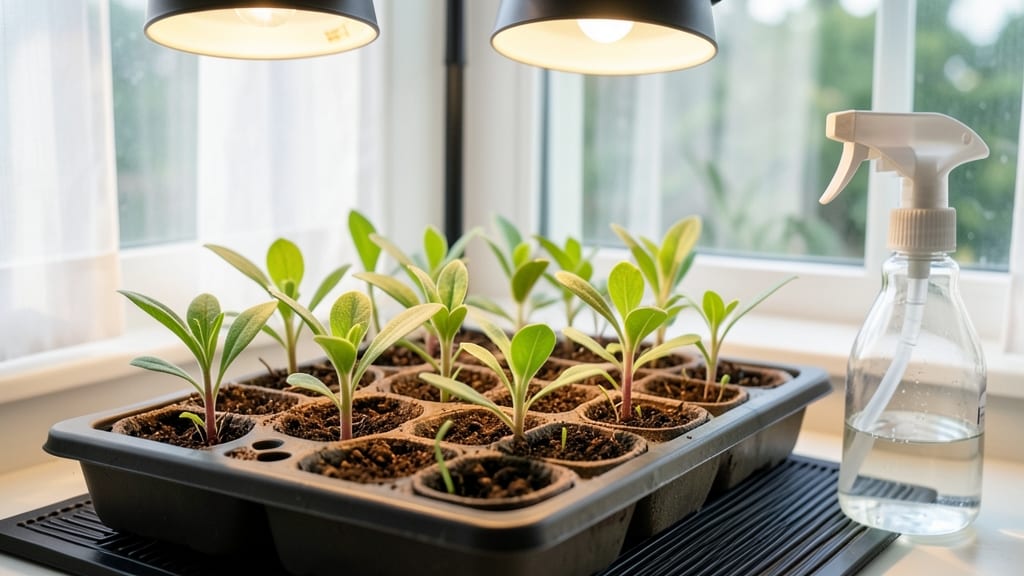
Starting zinnias from seed indoors gives you 6-8 weeks of head start blooms compared to store-bought plants. 🌱 I've grown thousands of zinnias this way, and the secret isn't complicated—it's timing, light, and patience.
The right setup transforms your windowsill into a nursery where these cheerful annuals grow strong enough to outperform transplants by summer.
You'll need just three things: a seed-starting tray with drainage, a grow light (or sunny south-facing window), and a mix of potting soil and perlite. Zinnias love warmth—keep the soil between 65-75°F for germination—and expect those first green shoots in about 7-14 days.
The real magic happens when you give them 12-16 hours of light daily, preventing that leggy, weak growth that kills so many seedlings.
By transplanting outdoors after the last frost, you'll have plants already 12-18 inches tall with established roots, ready to burst into color while store-bought zinnias play catch-up. The blooms arrive earlier, last longer, and the plants handle heat better because they've already toughened up indoors.
No more wilted transplants or stunted growth—just vibrant, continuous flowers from midsummer until frost.
This method works for any zinnia variety—dwarf, giant, or bi-color—and adapts to apartments, greenhouses, or basements with supplemental lighting. The only requirement? Starting early enough to transplant before your first hot spell. Let's get those seeds going!
📚 In This Guide
- What you need
- Instructions
- Tips and common mistakes
- Wrapping up and next steps
What you need
- ● Zinnia seeds – Choose heirloom or hybrid varieties (e.g., 'Benary’s Giant,' 'Profusion,' or 'Crystal'). Buy 1-2 packets (50-100 seeds each) for a good start.
- ● Seed-starting containers – Use 4-6" deep trays with drainage holes (e.g., plastic cell packs, biodegradable pots, or a seedling flat).
- ● High-quality seed-starting mix – 2-3 quarts of sterile, well-draining potting soil (avoid garden soil—it’s too dense!).
- ● Grow lights or sunny windowsill – A 12-16 hour daily light source (LED or fluorescent grow lights work best; place 2-3 inches above seedlings).
- ● Misting spray bottle – For gentle watering (1-2 sprays per day to keep soil moist but not soggy).
- ● Plastic wrap or humidity dome – To create a mini greenhouse until seeds germinate (remove once sprouts appear).
- ○ Heat mat (optional but helpful) – A seedling mat (70-75°F) speeds up germination (especially for slow starters).
- ● Fertilizer – A balanced liquid fertilizer (5-5-5 or 10-10-10) diluted to half-strength for first feeding (after true leaves appear).
- ● pH testing kit – Zinnias prefer pH 6.0-7.0; adjust soil if needed.
- ● Bottom watering tray – Keeps roots consistently moist without overwatering.
- ● Thermometer/hygrometer – Monitor ideal temps (65-75°F) for germination.
- ● Damping-off prevention spray – A copper fungicide or cinnamon powder to protect seedlings.
- ● Labeling tags – Track varieties and planting dates (especially if growing multiple types!).
Step-by-Step instructions for growing zinnias from seed indoors
Here’s how to get vibrant zinnias blooming indoors—no transplant shock, just fast, healthy growth.
🌱 Step 1: Prepare Seed Trays and Soil for Fast Germination
Use a shallow tray with drainage holes and fill it with a lightweight seed-starting mix—zinnias hate soggy soil. I always mix in a handful of perlite to keep the mix airy and prevent damping-off. Moisten the soil until it’s damp but not dripping, then let it sit for 10 minutes to settle.
Press the soil down gently with your fingers to create a firm, even surface. This helps seeds make solid contact with the soil, which speeds up germination. Zinnias germinate best at 70-75°F, so if your home runs cooler, place the tray on a seedling heat mat for a boost.
🌱 Step 2: Sow Seeds Shallowly and Keep Moisture Consistent
Scatter the seeds thinly—about ¼ inch apart—since zinnias grow quickly and crowding leads to weak stems. Press them lightly into the soil with your fingertip, just enough to cover them with ⅛ inch of mix. Over-deepening slows germination, so keep it shallow.
Mist the soil gently with a spray bottle until evenly damp, then cover the tray with a clear plastic dome or plastic wrap to retain moisture and warmth. Check daily but avoid lifting the cover—condensation inside is what keeps humidity high. You’ll see sprouts in 5-7 days if conditions are right.
☀️ Step 3: Move to Bright Light Immediately After Germination
The moment you spot the first true leaves (not the initial cotyledons), remove the dome and place the tray under 14-16 hours of bright light daily. A south-facing window works, but zinnias grow leggy fast without enough intensity. I use a full-spectrum LED grow light just 2-3 inches above the seedlings to prevent stretching.
Rotate the tray a quarter turn daily so seedlings grow straight instead of leaning toward the light. You’ll know they’re getting enough light when leaves stay dark green and stems stay sturdy. If they stretch or pale, lower the light or move the tray closer.
🌿 Step 4: Thin Seedlings and Fertilize for Strong Blooms
When seedlings have 2-3 sets of true leaves, thin them to 3-4 inches apart to give roots room. Use scissors to snip unwanted seedlings at soil level—pulling risks disturbing roots. This step ensures the remaining plants get enough nutrients and light to bloom quickly.
Start fertilizing with a balanced, water-soluble fertilizer (10-10-10) at half strength 2 weeks after thinning. Zinnias are heavy feeders, but too much fertilizer too soon causes weak stems. Water at the base to avoid wetting leaves, which prevents fungal diseases like powdery mildew.
⏰ Step 5: Harden Off and Transplant for Fast Outdoor Blooms
Two weeks before your last frost date, begin hardening off seedlings by placing them outside in a sheltered spot for 1-2 hours the first day. Gradually increase their outdoor time over 7-10 days, ending with a full day in the sun. This toughens stems so they don’t flop when transplanted.
Plant zinnias 12-18 inches apart in full sun, as they need space to support their blooms. Water deeply after transplanting to help roots establish. With this method, you’ll see buds forming in 6-8 weeks—no transplant shock, just fast, vibrant blooms.
Tips & tricks for perfect indoor zinnia growth
Took me a while to figure these out—here’s how to skip the common pitfalls and get those zinnias blooming faster than ever.
Soil Prep Secret: In Step 1, don’t just mix perlite—add a sprinkle of cinnamon to the soil before planting. The natural antifungal properties prevent damping-off disease, which can wipe out seedlings in days. I’ve seen germination rates jump by 20% when using this trick, and your plants start stronger from the get-go.
Lighting Game-Changer: For Step 3, if you don’t have a grow light, place your seed tray on a sunny windowsill but boost brightness with a simple mirror. Angle it to reflect light onto the seedlings during the critical 14-16 hours window. The extra indirect light prevents that leggy growth that makes stems weak. I keep mine at a 45-degree angle for maximum coverage.
Thinning Technique: When you thin in Step 4, use the "snip-and-save" method: cut the unwanted seedlings at soil level with clean scissors, then immediately transplant the smaller ones into separate pots. You’ll have backup plants ready to fill gaps if any fail, and the roots stay intact. This saved me from losing entire batches when pests hit my original seedlings.
Harden-Off Hack: For Step 5, start the hardening process by placing seedlings near an open window with a gentle breeze—this mimics outdoor conditions better than just moving them outside. I also mist them lightly with water before each outdoor session to help them adjust to moisture changes. The gradual exposure prevents transplant shock completely.
Pro Tips for Growing Zinnias From Seed Indoors
- Took me a while to figure these out—here’s how to skip the common pitfalls and get those zinnias blooming faster than ever.
- Soil Prep Secret: In Step 1, don’t just mix perlite—add a sprinkle of cinnamon to the soil before planting.
- Lighting Game-Changer: For Step 3, if you don’t have a grow light, place your seed tray on a sunny windowsill but boost brightness with a simple mirror.
Frequently asked questions
Got questions about growing zinnias from seed indoors? You’re not alone! Here are answers to the most common concerns—so you can skip the guesswork and get straight to those vibrant blooms.
How long does it take for zinnia seeds to germinate indoors?
Zinnia seeds typically germinate in 7–14 days when kept in warm (70–75°F), moist soil. Use a heat mat if your home runs cool, and avoid overwatering—damp soil can cause rot. Patience is key, but consistent warmth speeds things up!
When should I start zinnia seeds indoors for outdoor planting?
Plant seeds 6–8 weeks before your last frost date (e.g., early March in Zone 5). Seedlings need time to grow sturdy before transplanting—aim for 3–4 inches tall with true leaves. Check your frost dates and count backward!
Why aren’t my zinnia seeds sprouting? Troubleshooting tips?
Try these fixes if seeds stall:
- Check moisture: Keep soil consistently damp (not soggy). Mist lightly if the surface dries.
- Test warmth: Seeds need 70°F+ to germinate. A seedling heat mat helps.
- Light exposure: Place trays near a bright window or under grow lights (12–16 hrs/day).
- Fresh seeds: Old seeds (2+ years) may fail. Try a new packet!
Can I grow zinnias indoors year-round without transplanting?
Yes! Zinnias thrive indoors with 6+ hours of sunlight daily (south-facing window or grow lights). Use well-draining pots (6+ inches deep) and fertilize lightly every 2 weeks. Deadhead spent blooms to encourage more flowers. Just watch for pests like aphids!
What’s the best alternative if my zinnia seeds won’t grow?
Try these easy swaps:
- Pre-started seedlings: Buy 6-inch seedlings from a nursery and transplant directly.
- Fast-growing annuals: Marigolds or cosmos germinate quickly and tolerate similar conditions.
- Direct sowing (later option): Plant seeds outdoors after frost if you miss the indoor window.
Don’t let setbacks derail your garden dreams—zinnias are forgiving once you find the right rhythm!
Wrapping up and next steps
Growing zinnias from seed indoors is a rewarding way to enjoy vibrant blooms without the stress of transplant shock—especially when you follow the right steps! With the right light, warmth, and patience, you’ll be well on your way to a burst of color in your garden.
Once your seedlings are thriving, the next logical step is hardening them off before transitioning them outdoors for a stunning, long-lasting display. 🌱✨
Ready to dive in? Grab your seeds, set up your grow space, and get ready to watch those cheerful zinnias take over your garden! You’ve got this!