Propagation
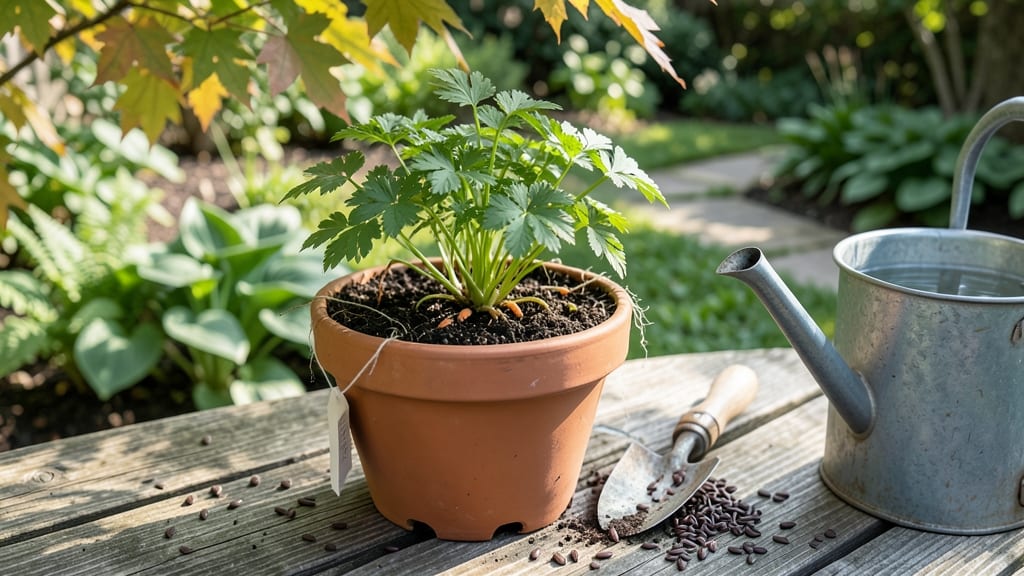
Growing carrots from seed in pots means crisp, homegrown roots even on a balcony or patio. 🌱 The key is choosing the right container—deep enough to let those roots stretch without crowding—and a soil mix that stays loose and airy.
I've learned the hard way that shallow pots mean stunted carrots, but with the right setup, you'll harvest thick, sweet roots in just 8-10 weeks.
Start with pots at least 12 inches deep, filled with a mix of potting soil and compost. Scatter seeds thinly—about 1/4 inch deep—and keep them moist until sprouts appear.
Carrots need full sun (6+ hours daily), but they'll bolt in summer heat, so morning sun works best in hot climates. The first true leaves signal it's time to thin seedlings to 2 inches apart.
Water consistently—never soggy, never dry—and watch those roots grow. When tops reach pencil thickness, you'll know they're ready to pull. The payoff? Carrots that stay sweet and crisp, perfect for snacking or salads, all grown in the smallest of spaces. No garden? No problem.
Troubleshoot by checking soil depth and drainage—roots need room to grow downward, not sideways. If tops grow fast but roots stay small, your pots might be too shallow. Try deeper containers next time, and you'll see the difference in harvest size. Happy growing!
📚 In This Guide
- What you need
- Instructions
- Tips and common mistakes
- Wrapping up and next steps
What you need
- ● Carrot seeds: Choose a short, round variety (like 'Paris Market' or 'Little Finger') for pot-growing success. Quantity: 1 packet (typically 500–1,000 seeds).
- ● Containers: Pots at least 6–8 inches deep (deeper = longer carrots!). Quantity: 1–2 pots per 10–15 seeds (thin seedlings later). Options: Plastic, terracotta, or fabric grow bags.
- ● Potting mix: Seed-starting mix or a light, well-draining blend (avoid garden soil—it’s too dense!). Quantity: Enough to fill pots to 1 inch below the rim.
- ● Drainage: Pebbles or perlite (¼ inch layer at the pot’s bottom).
- ● Watering can or spray bottle: With a gentle nozzle for precision.
- ○ Fertilizer (optional but helpful): Balanced liquid fertilizer (e.g., 10-10-10) or compost tea for young seedlings.
- ● Slow-release granules (like 5-10-10) mixed into soil at planting.
- ● Grow lights or sunny windowsill: Carrots need 6+ hours of sunlight daily—supplement with lights if indoors.
- ● Seedling heat mat: Speeds up germination (especially in cool climates).
- ● Plant markers: Label pots to track varieties and planting dates.
- ● Organic mulch: Straw or shredded leaves to retain moisture.
- ● Tweezers or small fork: For gentle seedling thinning (no rough handling!).
Step-by-step instructions for growing carrots in pots
Here’s how I grow sweet, thick carrots in containers—no deep beds required.
🪴 Step 1: Choose the Right Containers and Soil Mix
Select pots that are at least 12 inches deep—shallow containers will stunt root growth. I use wide, shallow trays or individual pots with drainage holes to prevent soggy soil. Fill the bottom 2 inches with a mix of coarse sand or perlite to improve drainage and prevent root crowding.
Next, fill the rest of the pot with a loose, sandy seed-starting mix (never garden soil—it’s too dense). Tap the pot gently to settle the soil, then water it until moisture reaches the bottom without pooling. The surface should feel damp but not wet—carrots hate soggy soil.
🌱 Step 2: Sow Seeds Thinly for Straight, Thick Roots
Scatter seeds ¼ inch deep across the soil surface, spacing them 1 inch apart in all directions. I use a toothpick to make tiny holes and drop seeds one by one—overcrowding leads to forked, twisted roots. Lightly cover with more of the sandy mix, then mist the surface with water until just damp.
Place the pot in a warm spot (65-75°F) and keep the soil consistently moist. Germination takes 10-21 days, depending on your climate. Once sprouts appear, thin seedlings to 2 inches apart to give roots room to thicken. Use scissors to snip extras at soil level—pulling risks disturbing nearby roots.
☀️ Step 3: Provide Full Sun and Consistent Moisture
Move pots to a location with 6+ hours of direct sun daily. Carrots need bright light to grow sweet and straight—without it, they’ll turn pale and leggy. If your space is shady, supplement with a grow light 12 inches above the plants for 14 hours a day.
Water gently at the base to avoid dislodging soil, keeping the top 1 inch dry between waterings. Let the soil dry slightly between drinks—consistent moisture prevents cracking but never lets it dry out completely. You’ll know you’re doing it right when the soil feels like a damp sponge.
✂️ Step 4: Thin and Harvest for Maximum Yield
When seedlings reach 2 inches tall, thin again to 3 inches apart to ensure thick roots. Use your fingers to gently pull extras, leaving the strongest-looking plants. This step is critical—crowded carrots compete for nutrients and grow misshapen.
Harvest baby carrots when they’re ½ inch thick (about 6-8 weeks after sowing) by grasping the greens and pulling gently. For full-sized carrots, wait until they reach ¾ inch in diameter—they’ll pull easily when mature. If roots stay small, your pots may need deeper soil or more frequent thinning.
Tips & tricks for growing perfect container carrots
These space-saving secrets will help you grow carrots that rival garden beds—without the space or mess.
Container Depth Matters: That 12-inch minimum depth is non-negotiable for full-sized carrots. If you're growing shorter varieties like 'Paris Market' (5-6 inches), you can use 8-inch pots—but even then, I recommend the deeper containers. The extra space prevents roots from hitting the bottom and growing gnarled. For extra insurance, add 2 inches of that coarse sand/perlite mix at the bottom to create a root-friendly zone.
Thinning is Everything: Don't skip the two thinning steps! After germination, thin to 2 inches apart—this isn't optional. I've seen carrots grow perfectly straight and thick when spaced right, but crowded plants always fork. Pro tip: Use scissors to snip seedlings at soil level instead of pulling. This prevents disturbing nearby roots and gives you cleaner harvests later.
Light Requirements: Those 6+ hours of direct sun are critical for sweetness and thickness. If you're supplementing with grow lights, position them 12 inches above the plants and run them for the full 14 hours. I've noticed a dramatic difference in color and flavor when plants get enough light—pale carrots always taste milder. In shady spots, consider using shorter varieties like 'Little Finger' that tolerate less sun.
Watering Wisdom: The "damp sponge" test is your best friend. Stick your finger 1 inch into the soil—if it feels dry, it's time to water. I water in the morning so the soil has time to dry slightly between drinks. Overwatering causes cracking (those ugly surface splits) while underwatering leads to tough, bitter roots. A moisture meter is worth the investment if you're serious about container gardening.
Pro Tips for Growing Carrots From Seed In Pots
- These space-saving secrets will help you grow carrots that rival garden beds—without the space or mess.
- Container Depth Matters: That 12-inch minimum depth is non-negotiable for full-sized carrots.
- Thinning is Everything: Don't skip the two thinning steps!
Frequently asked questions
Got questions about growing carrots from seed in pots? You’re not alone—this method takes a little finesse! Here are answers to the most common queries to help you grow thick, happy carrots in containers.
Can I grow carrots in any pot, or do I need something special?
Mostly, yes! Use pots at least 12 inches deep (deeper for longer varieties) with drainage holes. Shallow pots may stunt root growth. Pro tip: Loose, well-draining soil (like a mix of potting soil and compost) is key—compact soil leads to forked or stunted carrots.
When is the best time to plant carrot seeds in pots?
Carrots thrive in cool weather—aim for spring (after last frost) or fall (6-8 weeks before first frost). Avoid planting in scorching heat (seeds bolt quickly). For year-round growth, opt for short-season varieties like ‘Paris Market’ or ‘Little Finger.’
Why are my carrot seeds not germinating in pots?
Common culprits: dry soil, old seeds (plant within 1 year), or poor light. Keep soil moist but not soggy and place pots in bright, indirect light (or under grow lights). If seeds sprout unevenly, thin seedlings to 2–3 inches apart.
Can I grow carrots in pots without a greenhouse or grow lights?
Place pots in a sunny windowsill (south-facing) or outdoor spot with 6+ hours of sun daily. For cooler climates, use a cold frame or move pots indoors during frost. Just ensure consistent moisture—pots dry out faster than ground soil.
What should I do if my carrot roots split or fork in pots?
Forked roots usually mean crowded roots or hard, compacted soil. Thin seedlings early (leave 2–3 inches between plants) and use loose, sandy soil. For thick roots, try shallow pots with wider diameters (like 12-inch-wide containers) to encourage straight growth.
Wrapping up and next steps
Growing carrots from seed in pots is a rewarding way to enjoy fresh, homegrown veggies—even in small spaces! With the right containers, soil, and care, you’ll harvest sweet, thick roots without needing a garden.
Whether you’re a beginner or a seasoned gardener, these space-saving hacks make it easier than ever to grow your own.
Ready to dig in? Start with your first pot this weekend! Try experimenting with different varieties or even carrot companions like herbs or lettuce to maximize your harvest. Happy growing! 🌱