
Propagation
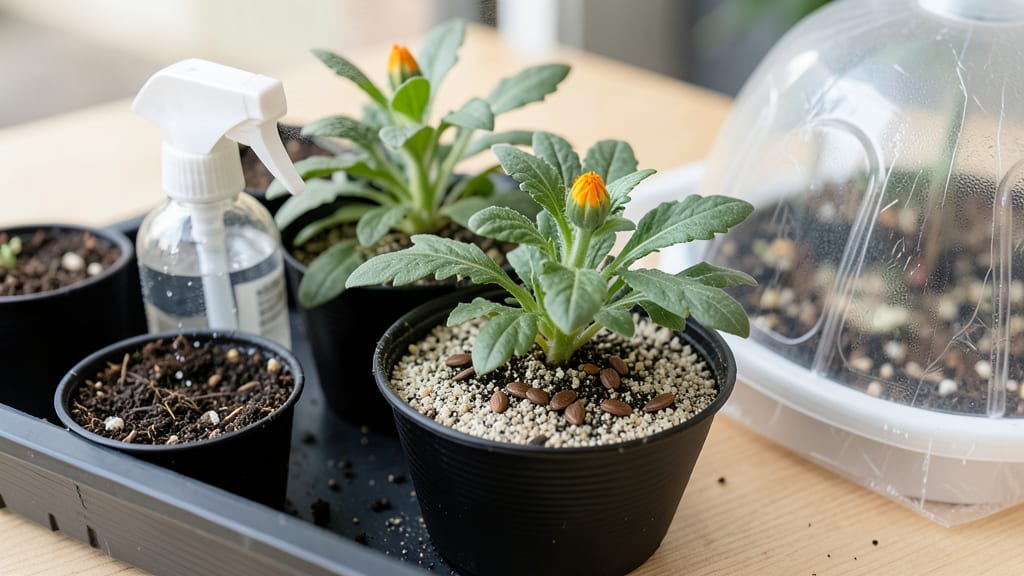
Growing calendula from seed in pots delivers quick blooms—often within 6-8 weeks—without the transplant shock that kills so many seedlings. 🌱 I’ve grown calendula in pots for years, and the secret is treating it like a delicate annual that thrives in containers.
Unlike many flowers, calendula doesn’t mind being root-bound, making it perfect for small spaces or balconies where soil quality is questionable. The right pot size matters: 5-inch-wide containers work for single plants, while larger hanging baskets or 12-inch pots let you cluster 3-5 seeds.
Drainage holes are non-negotiable—calendula hates soggy roots, and even a slight waterlogged spell can turn leaves yellow overnight. Start seeds indoors 4-6 weeks before your last frost, and they’ll germinate in 5-10 days if kept warm and moist.
You’ll love how calendula repels pests naturally—aphids and whiteflies avoid its strong scent, and the bright blooms attract pollinators all season. The flowers also double as edible garnishes, though I mostly grow them for their cheerful orange and gold faces that brighten any patio.
Once established, they’re drought-tolerant and keep blooming until frost. For best results, plant seeds ¼-inch deep and keep soil consistently moist but never soggy. Thin seedlings to 12 inches apart once they sprout their first true leaves—this prevents overcrowding and ensures bigger, showier blooms.
If you’re in a hot climate, shade cloth helps prevent bolting before the flowers even open.
📚 In This Guide
- What you need
- Instructions
- Tips and common mistakes
- Wrapping up and next steps
What you need
- ● Calendula seeds: 1-2 packets (100-200 seeds per packet; choose heirloom or organic if preferred).
- ● Containers: 4-6-inch diameter pots (or seed trays with drainage holes) – at least 1 per seedling, or a shared tray for starting.
- ● Potting mix: 1 bag of well-draining, seed-starting mix (avoid garden soil—it’s too dense!).
- ● Watering can or spray bottle: With a fine mist setting (overwatering is the #1 enemy of seeds!).
- ● Grow lights or sunny windowsill: 6+ hours of light daily (south-facing windows or LED grow lights work best).
- ● Plastic wrap or humidity dome: A small sheet or clear lid to retain moisture while seeds germinate.
- ○ Plant labels: To track varieties (optional but helpful if growing multiple types!).
- ● Seedling heat mat: Speeds up germination (especially in cooler climates).
- ● Fertilizer: A balanced, water-soluble fertilizer (like 10-10-10) for when seedlings sprout.
- ● Tweezers: For delicate seed placement (if you’re feeling fancy!).
- ● Drip tray or saucer: To catch excess water and prevent messes.
Step-by-Step instructions for growing calendula from seed in pots
Here’s how to get vibrant calendula blooms in just 6-8 weeks—no fuss, no transplanting.
🌱 Step 1: Prepare Containers and Seed Starting Mix
Use 4-inch diameter pots with drainage holes—calendula hates soggy roots. Fill each pot with a mix of 50% potting soil and 50% perlite (or coconut coir) to improve airflow. This light, airy blend prevents damping-off, a fungal disease that attacks seedlings.
Moisten the mix with warm water until it’s damp but not dripping. Press down gently to settle, then create a shallow dimple with your finger—about ¼ inch deep. This ensures seeds stay in place without being buried too deep, which can delay germination.
🌱 Step 2: Sow Seeds and Maintain Ideal Germination Conditions
Drop 2-3 seeds per pot into the dimple, spacing them evenly. Cover lightly with a thin layer of soil—just enough to hide the seeds. Mist the surface with water until the soil looks uniformly damp, but avoid soaking it. Calendula seeds germinate best at 65-75°F, so place pots in a warm spot like on top of the fridge or near a heat mat.
Cover the pots with a clear plastic dome or plastic wrap to retain moisture and warmth. Check daily for condensation—if the inside fogs up, germination is underway. Remove the cover once sprouts appear (usually 7-14 days) to prevent fungal growth. Thin to the strongest seedling per pot once the first true leaves emerge.
☀️ Step 3: Provide Light and Gradually Harden Off Seedlings
Move seedlings to a south-facing window or under grow lights (12-14 hours daily) immediately after germination. Calendula needs 6+ hours of direct light to prevent leggy growth. If stems stretch toward the light, they’re not getting enough intensity—adjust the light or rotate pots daily.
After 2-3 weeks, when seedlings have 2-3 sets of true leaves, start hardening them off. Place pots outside in a sheltered spot for 1-2 hours the first day, gradually increasing exposure over 7-10 days. This prepares them for full sun and prevents shock when they’re moved outdoors permanently.
💧 Step 4: Water and Fertilize for Continuous Blooms
Water calendula when the top inch of soil feels dry—overwatering causes root rot, while underwatering stunts blooms. Use a watering can with a narrow spout to direct moisture at the base, avoiding wet foliage. Mulch with ¼ inch of compost to retain moisture and provide slow-release nutrients.
Feed seedlings with a balanced liquid fertilizer (10-10-10) diluted to half-strength every 4-6 weeks. Once flowers appear, switch to a low-nitrogen, high-phosphorus formula (5-10-10) to encourage more blooms. Deadhead spent flowers regularly—this redirects energy into new blooms and keeps plants bushy.
✂️ Step 5: Harvest and Maintain for Year-Long Color
Harvest calendula when petals are fully open but before they brown. Snip stems with 4-6 inches of stem attached to encourage branching. Use blooms fresh in arrangements or dry them for potpourri—calendula petals retain color beautifully when dried.
In cooler climates, calendula is an annual, but in mild zones, it self-seeds prolifically. Let some flowers go to seed at the end of the season to ensure next year’s crop. If you’re growing for culinary use, harvest leaves early in the season—they’re most potent before flowering.
Tips & tricks for vibrant calendula blooms in pots
Skip the transplanting stress—these pro tips ensure your calendula thrives from seed to bloom in record time.
Light Intensity Matters: In Step 3, when you're moving seedlings to a south-facing window or grow lights, aim for 12-14 hours of bright light daily. If your window light feels weak, supplement with a full-spectrum LED grow light positioned just 6 inches above the pots. Calendula won't tolerate dim conditions—you'll notice leggy, weak stems if they're stretching toward light. Rotate pots daily to prevent uneven growth toward one side.
Germination Temperature Secret: The 65-75°F range in Step 2 is your sweet spot for germination, but don't worry if your home runs cooler. Place pots on top of your fridge or near a heat mat set to 70°F—this mimics ideal greenhouse conditions. If your kitchen stays below 60°F, consider using a seedling heat mat for consistent warmth. Patience pays off here: germination typically takes 7-14 days, but cooler temps can extend this to 2-3 weeks.
Hardening Off Strategy: During the 7-10 day hardening process in Step 3, gradually increase outdoor exposure by 1 hour per day. Start with just 1-2 hours in a sheltered spot, then move to partial sun. Watch for wilting—this means your plant needs more time to acclimate. A quick spray with water can revive it, but don't rush the process. Proper hardening prevents transplant shock when you eventually move them to full sun.
Fertilizer Timing: When you switch to the low-nitrogen, high-phosphorus (5-10-10) fertilizer in Step 4, apply it right after deadheading spent blooms. This two-step approach—fertilizing then pruning—gives your plants the phosphorus boost they need to produce more flowers while redirecting energy away from seed production. For best results, feed every 4 weeks once blooms appear, but never fertilize when soil is dry.
Pro Tips for Growing Calendula From Seed In Pots
- Skip the transplanting stress—these pro tips ensure your calendula thrives from seed to bloom in record time.
- Light Intensity Matters: In Step 3, when you're moving seedlings to a south-facing window or grow lights, aim for 12-...
- Germination Temperature Secret: The 65-75°F range in Step 2 is your sweet spot for germination, but don't worry if yo...
Frequently asked questions
Got questions about growing calendula from seed in pots? You’re not alone! Here are answers to the most common concerns—so you can confidently start your cheerful, edible blooms without a hitch.
How deep should I plant calendula seeds in pots?
Calendula seeds are tiny—just sprinkle them on the soil surface (no need to bury them!). Lightly press them in with your fingers or a small board, then mist with water. They need light to germinate, so avoid covering them with soil. Pro tip: Use a seedling tray with clear domes to keep humidity high until sprouts appear (5–10 days).
When is the best time to start calendula seeds indoors?
For potted calendula, start seeds 6–8 weeks before your last frost date if you’re in a cooler climate. In warmer zones (zones 8–10), you can direct-sow seeds in pots anytime after the soil warms to 50°F (10°C). Calendula thrives in heat, so don’t rush—wait for stable temperatures to avoid transplant shock.
Can I grow calendula in small pots, or do I need deep containers?
Calendula is surprisingly adaptable! While 5–6 inch pots work for single plants, they’ll grow bushier in 8–10 inch containers with at least 6 inches of soil depth. If space is tight, opt for dwarf varieties like ‘Bonanza’ or ‘Touch of Class’—they’re perfect for patio pots and thrive with pruning.
Why aren’t my calendula seeds germinating?
Common culprits: too much moisture (seeds rot), low light (they need warmth + light to sprout), or old seeds (use fresh seeds for best results). Try this fix: Place your pot in a warm, sunny spot (or under grow lights) and keep soil consistently moist but not soggy. If seeds still refuse to sprout, test their viability by soaking a few in water—if they sink, they’re likely good!
How do I keep calendula blooming all season in pots?
Deadhead spent blooms regularly to encourage more flowers, and fertilize lightly every 4–6 weeks with a balanced organic fertilizer (like 5-5-5). Calendula loves full sun (6+ hours/day), but in hot climates, afternoon shade prevents bolting. For continuous blooms, succession-sow seeds every 2–3 weeks—this ensures fresh flowers from spring to frost!
Wrapping up and next steps
Growing calendula from seed in pots is a rewarding way to bring vibrant blooms to your space—without the fuss of transplanting! With the right containers, soil, and a little patience, you’ll enjoy cheerful, edible flowers that thrive in small spaces.
Now that you’re armed with tips and answers, why not start your seeds today? Grab those pots, follow the steps, and soon you’ll be harvesting petals for salads, teas, or simply admiring their beauty. Happy planting! 🌱✨