
Propagation
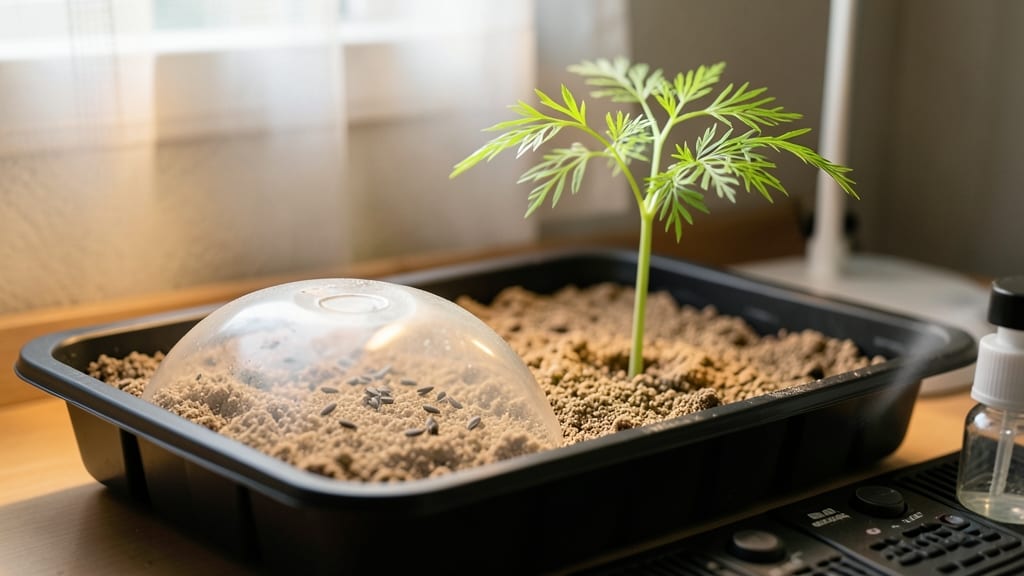
Growing asparagus from seed indoors is the secret weapon for impatient gardeners—those first green spears can appear in just 6-8 weeks with the right setup. 🌱 I’ve wrestled with the myth that asparagus is a slow, finicky crop, but the truth is, it starts fast when you control the conditions.
The key? A warm, moist environment and patience for the roots to establish before transplanting.
You’ll need a shallow tray or seed-starting flat, a heating mat (optional but game-changing), and a south-facing window or grow light. Asparagus seeds are tiny and slow to germinate—sometimes taking 2-3 weeks—so keep the soil consistently moist but never soggy.
The twist extraction part? That’s just a fancy way of saying you’ll need to handle those delicate seedlings with care when it’s time to move them outdoors.
By the time you’re ready to transplant, you’ll have sturdy, 6-inch seedlings with strong roots—exactly what you need for a productive asparagus patch. The first year is all about building the crown; harvests start in year three, but the payoff is worth the wait.
You’ll end up with a perennial crop that outlasts annuals by decades.
This method works whether you’re prepping for a backyard bed or keeping the asparagus in containers. The only real challenge is resisting the urge to harvest too early—trust the process, and you’ll have spears for years. Let’s get those seeds sprouting!
📚 In This Guide
- What you need
- Instructions
- Tips and common mistakes
- Wrapping up and next steps
What you need
- ● Asparagus seeds – Opt for high-quality, organic seeds (e.g., 'Mary Washington' or 'Pacific Purple'). Quantity: 10–20 seeds (they germinate slowly, so extra ensures success!).
- ● Seed-starting trays or pots – Size: 2–3" deep with drainage holes. Quantity: 2–3 trays (or small pots).
- ● Seed-starting mix – Specs: Lightweight, sterile, and well-draining (avoid garden soil—it’s too dense!). Quantity: 1–2 bags (enough to fill trays).
- ● Plastic wrap or humidity dome – Keeps moisture in while seeds germinate. Quantity: 1 sheet or dome per tray.
- ● Grow lights or sunny windowsill – Asparagus needs 12–16 hours of light daily. Specs: LED grow lights (6000K–6500K color temp) or a south-facing window.
- ● Spray bottle – For gentle watering (avoid soaking the mix).
- ○ Heat mat (optional but helpful) – Speeds up germination. Specs: 70–75°F range.
- ● pH test kit – Asparagus prefers 6.5–7.5 pH. Adjust soil if needed.
- ● Fertilizer (balanced, low-nitrogen) – Use a 5-5-5 or 10-10-10 formula after germination.
- ● Humidity tray – Adds extra moisture for slow starters.
- ● Plant labels – Track varieties and planting dates!
Step-by-step instructions for growing asparagus from seed indoors
Here's how to jumpstart asparagus growth indoors—no patience required.
🌱 Step 1: Stratify Seeds for Faster Germination
Asparagus seeds need a cold treatment called stratification to break dormancy. Place the seeds in a sealed plastic bag with a damp paper towel, then refrigerate for 8-12 weeks. Check weekly—they should feel moist but not soggy. This mimics winter conditions and tricks the seeds into thinking spring has arrived.
I like to label the bag with the date so I don’t forget. After the cold treatment, you’ll see faster, more reliable germination. Skipping this step means waiting months for seeds to sprout, if they ever do at all.
💧 Step 2: Prepare Containers and Planting Medium
Use 4-inch deep containers with drainage holes to give roots room to establish. Fill them with a lightweight seed-starting mix—asparagus hates compacted soil. Moisten the mix until it’s damp but not dripping, then press it down gently to remove air pockets. The goal is a fine, crumbly texture that holds moisture without suffocating roots.
I always pre-warm the soil mix by placing the filled containers in a sunny window for a day before planting. Warm soil speeds up germination and helps seedlings establish faster. Avoid garden soil—it’s too dense and may contain pathogens that weaken young asparagus.
☀️ Step 3: Sow Seeds and Maintain Warmth
Plant seeds ½ inch deep, spacing them 1 inch apart in rows. Cover lightly with additional soil mix, then mist the surface with water until evenly damp. Place the containers in a warm, bright spot—ideally 70-75°F with 12-14 hours of light daily. A seedling heat mat helps maintain consistent warmth if your home runs cooler.
Keep the soil moist but never soggy—damping-off fungus thrives in overly wet conditions. You’ll see tiny green sprouts in 2-4 weeks, but don’t rush to move them. Asparagus seedlings are delicate, so wait until they have 2-3 true leaves before transplanting outdoors.
🌿 Step 4: Transplant and Harden Off Seedlings
Once seedlings reach 4-6 inches tall, transplant them into larger containers or the garden. Asparagus needs deep roots, so use 12-inch deep pots or plant directly in well-drained soil. Space plants 12-18 inches apart to allow for future growth. Water deeply after transplanting to help roots settle into their new home.
Harden off seedlings by gradually exposing them to outdoor conditions over 7-10 days. Start with 1-2 hours of sunlight and increase exposure daily. This prepares them for the garden and reduces transplant shock. Watch for wilting—if it happens, they’re not ready yet.
⏰ Step 5: Monitor Growth and Patience for Harvest
Asparagus takes 2-3 years to establish before producing spears, but indoor starts give you a head start. Keep soil consistently moist and fertilize lightly every 4-6 weeks with a balanced fertilizer. Mulch around plants to retain moisture and suppress weeds. The first year focuses on root development—don’t harvest spears until the third year.
You’ll know it’s time to harvest when spears reach 6-8 inches tall and snap easily at the base. Cut them at ground level with a sharp knife. This encourages more growth and ensures tender, flavorful spears. With proper care, your indoor starts will reward you with fresh asparagus for decades.
Tips & tricks for growing asparagus from seed indoors
Here's what I learned after years of growing asparagus—these tricks will help you skip the common pitfalls and get those sprouts popping faster.
Stratification Hack: If you're short on time, you can speed up the 8-12 week stratification by using a seed stratification device that circulates cold air. These devices can cut the process to about 4-6 weeks while still achieving the same dormancy-breaking results. Just make sure to keep the moisture level consistent—this is where most people fail.
Lighting Strategy: For the critical 12-14 hours of light daily requirement, consider supplementing natural light with a grow light if your indoor space is dim. LED grow lights are energy-efficient and can provide the full spectrum needed for seedling development. Position the light just a few inches above the seedlings to maximize effectiveness without overheating.
Transplant Timing: When your seedlings reach 4-6 inches for transplanting, don't be tempted to rush the process. The 7-10 day hardening off period is crucial—it's the difference between thriving plants and shock-prone seedlings. Start with just 1-2 hours of sunlight exposure and gradually increase. Watch for wilting as your warning sign to slow down the process.
Harvesting Secret: The 6-8 inch harvest height is your sweet spot for tender spears, but here's the pro tip: harvest in the morning when spears are most crisp. Use a sharp knife and cut at ground level—this prevents damage to the crown and encourages more growth. I've found that harvesting consistently every 2-3 days during peak season keeps the plants producing for weeks longer.
Pro Tips for Growing Asparagus From Seed Indoors
- Here's what I learned after years of growing asparagus—these tricks will help you skip the common pitfalls and get those sprouts popping faster.
- Stratification Hack: If you're short on time, you can speed up the 8-12 week stratification by using a seed stratification device that circulates cold air.
- Lighting Strategy: For the critical 12-14 hours of light daily requirement, consider supplementing natural light with a grow light if your indoor space is dim.
Frequently asked questions
about growing asparagus from seed indoors—because we’ve got your back with answers!How long does it take for asparagus seeds to germinate indoors?
Patience is key! Asparagus seeds can take anywhere from 2 to 4 weeks to germinate indoors, depending on warmth (70–75°F) and moisture. Keep soil consistently damp (not soggy) and avoid moving the tray—consistency speeds things up! Pro tip: A heat mat can cut germination time by half.
Can I harvest asparagus the first year from indoor starts?
Nope—first-year plants focus on roots, not spears! You’ll see tiny shoots, but harvesting now stunts growth. Wait 2–3 years for a full harvest. Reward yourself with patience (or snack on store-bought asparagus while you wait).
What’s the best indoor temperature for asparagus seedling growth?
Keep it cozy! Seedlings thrive in 65–75°F during the day and 55–60°F at night. Avoid drafts (like AC vents) or sudden temperature swings—asparagus hates stress. A sunny windowsill or grow light is your best friend here! Too cold? Use a space heater safely nearby.
What if my asparagus seedlings look leggy or weak?
Leggy seedlings mean not enough light! Move them closer to a south-facing window or switch to a grow light (12–14 hours/day). If roots are crowded, transplant to larger pots. Yellow leaves? Check for overwatering—asparagus prefers moist but well-draining soil.
Can I grow asparagus from store-bought spears instead of seeds?
Technically yes, but it’s tricky and unreliable. Store-bought spears are often treated to prevent sprouting. Try this: Soak the woody base in water for 24 hours, then plant it 6 inches deep in soil. Success rates are low—seeds are the sure bet!
Why are my asparagus seeds rotting or moldy?
Overwatering or poor drainage is the culprit! Fix it: Use a mix of 50% potting soil + 50% perlite, and water only when the top inch is dry. If mold appears, remove affected seeds and repot healthy ones in fresh, sterile soil. Prevention: Sterilize trays with hydrogen peroxide (3%) before planting.
Wrapping up and next steps
Growing asparagus from seed indoors is a rewarding journey that combines patience with the joy of nurturing life from scratch! 🌱 While it takes time—typically 3-4 years to harvest—your efforts will yield a delicious, homegrown crop worth every moment.
Start small, stay consistent, and soon you’ll be savoring fresh asparagus straight from your windowsill or greenhouse.
Ready to take the next step? Once your seedlings are sturdy, transplant them outdoors in well-draining soil and watch them thrive. Happy growing—and may your asparagus spears be plentiful! 🌿