Vegetables
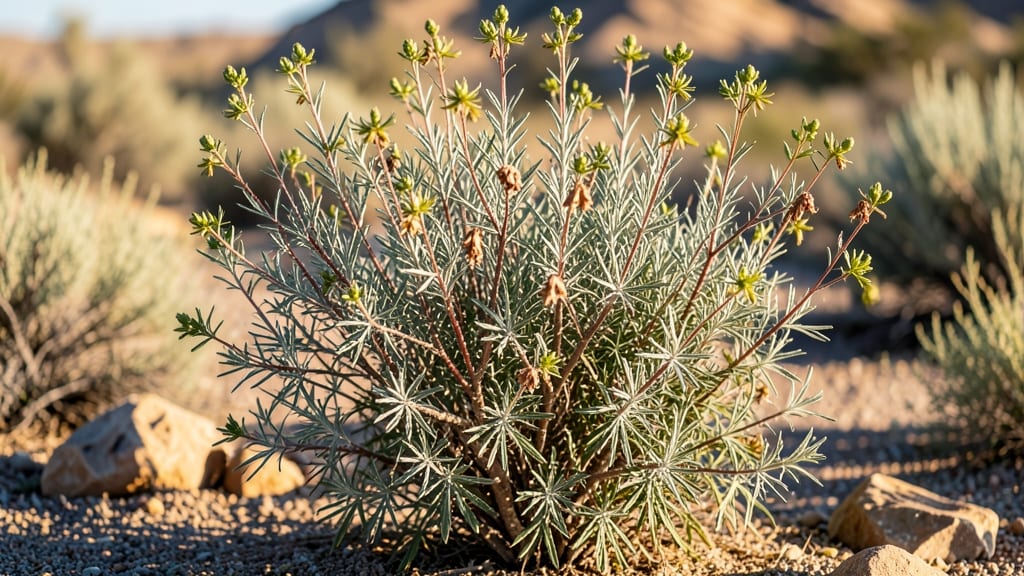
Growing a green hopseed bush in Arizona isn’t just possible—it’s a game-changer for your drought-tolerant landscape. 🌵 This hardy perennial thrives in the desert’s heat and poor soils, making it the perfect low-maintenance plant for Arizona gardens.
Unlike water-guzzling shrubs, it survives on minimal irrigation once established, saving you time and resources. The key to success lies in mimicking its natural habitat: well-draining soil, full sun exposure, and occasional deep watering. I’ve seen mine flourish in rocky, alkaline soils common across Arizona—no fancy amendments needed.
Prune lightly in late winter to encourage bushier growth, and watch it reward you with silvery-green foliage and tiny yellow flowers that attract pollinators. By summer’s end, you’ll have a foolproof desert plant that requires almost no care beyond occasional trimming.
Its glossy leaves add texture to any landscape, and it even tolerates urban pollution, making it ideal for city yards. The best part? It’s deer-resistant, so you won’t lose it to wildlife.
Whether you’re landscaping a new home or revamping an existing yard, this bush is a nailed-it solution for Arizona’s challenging climate. Let’s get yours planted and thriving!
📚 In This Guide
- What you need
- Instructions
- Tips and common mistakes
- Wrapping up and next steps
What you need
- ● Seeds or nursery-grown plants: 1–3 Green Hopseed Bush plants (choose locally adapted varieties if available).
- ● Well-draining soil mix: 50% native Arizona soil (sandy or loamy)
- ● 30% compost or aged manure
- ● 20% perlite or coarse sand (for drainage)
- ● Container or planting site: For containers: 12–18" diameter pots with drainage holes (1 plant per pot)
- ● For in-ground: Full sun location (6+ hours daily) with no afternoon shade
- ● Watering can or drip irrigation: With a fine rose attachment for gentle watering.
- ● Organic mulch: 2–3 inches of gravel or crushed rock (to retain moisture and deter weeds).
- ● Garden trowel or transplant spade (for digging holes or pots).
- ● Pruning shears (sterilized with rubbing alcohol).
- ○ Gloves (optional, but helpful for handling thorny stems).
- ○ pH test kit (optional: ideal soil pH is 6.0–7.5).
- ● Fertilizer: Balanced organic fertilizer (e.g., 5-5-5 or compost tea) only at planting
- ● Slow-release granules (e.g., alfalfa pellets) for established plants (spring only).
- ○ Drought-resistant companion plants (optional): Yarrow, lavender, or native grasses to attract pollinators.
Step-by-step instructions for planting green hopseed bush in Arizona
Here’s how to establish this drought-tolerant beauty with minimal fuss—perfect for Arizona’s climate.
🌱 Step 1: Choose the Perfect Spot for Sun and Soil
Green hopseed bush (Dodonaea viscosa) thrives in full sun—at least 6-8 hours daily—so pick a south- or west-facing location where it won’t compete with shade from taller plants. Arizona’s intense sunlight is ideal, but avoid areas where afternoon shade would stress the plant after summer’s peak heat.
This bush tolerates poor, rocky, or sandy soil but grows best in well-draining soil with a slightly alkaline pH (7.0–8.0). If your soil is heavy clay, amend with 1–2 inches of coarse sand or gravel mixed into the top 12 inches of soil. The key is drainage—waterlogged roots will cause root rot, especially in Arizona’s monsoon season.
🪴 Step 2: Plant at the Right Time and Depth
Plant in early spring (March–April) or fall (September–October) to avoid Arizona’s extreme summer heat or winter frosts. Dig a hole twice as wide as the root ball but only as deep—the top of the root ball should sit flush with the soil surface. This prevents settling issues later.
Gently remove the plant from its container and loosen any circling roots with your fingers. Place it in the hole, backfill with native soil, and tamp lightly to eliminate air pockets. Water deeply to settle the soil, but avoid compacting it—this bush prefers loose, aerated roots. Space 4–6 feet apart to allow for mature growth without overcrowding.
☀️ Step 3: Water Deeply but Infrequently
Green hopseed bush is drought-tolerant once established, but new plants need consistent moisture for the first 6–8 weeks. Water deeply once a week, soaking the soil to 12–18 inches deep. You’ll know it’s enough when water runs out the drainage holes if planted in a container, or when the soil feels damp 6 inches down with your finger.
After the initial establishment period, reduce watering to every 2–3 weeks unless Arizona’s summer heat (above 95°F) persists for more than a week. Overwatering is the biggest mistake—this plant stores water in its stems and can handle dry spells better than soggy soil. Mulch with 1–2 inches of gravel or crushed rock to retain moisture and suppress weeds without suffocating roots.
✂️ Step 4: Prune for Shape and Health
Prune in late winter or early spring before new growth begins. Remove dead, damaged, or crossing branches first, cutting back to the nearest healthy bud. This bush responds well to pruning, so you can also shape it by trimming 1/3 of the current season’s growth to encourage bushier growth. Avoid heavy pruning in summer—it stresses the plant during Arizona’s peak heat.
Watch for yellowing leaves or leaf drop—this often signals overwatering or poor drainage. If you notice powdery mildew (common in humid monsoon seasons), prune affected branches immediately and improve airflow around the plant. Green hopseed bush is generally pest-resistant, but spider mites may appear in dry conditions—treat with a hose spray to dislodge them.
🌿 Step 5: Maintain for Long-Term Beauty
Fertilize lightly in early spring with a balanced, slow-release fertilizer (10-10-10) at half the recommended rate. This bush doesn’t need much—too much fertilizer encourages weak growth and attracts pests. Apply it 6 inches away from the trunk and water it in immediately to prevent root burn.
Monitor for new shoots at the base—these indicate the plant is thriving. If the soil around your hopseed bush becomes compacted over time, gently loosen the top 4 inches in early spring with a hand fork. This improves root health without disturbing the plant. With minimal care, your green hopseed bush will reward you with year-round interest, from its silvery-green foliage to its striking seed pods.
Tips & tricks for thriving green hopseed bush in Arizona
Here’s what I’ve learned from years of growing this resilient plant in Arizona’s tough climate—small details that make all the difference.
Site Selection Wisdom: While the instructions mention full sun, I’ve found that west-facing locations actually work better in Arizona than south-facing spots. The afternoon sun is less intense from the west, giving your hopseed bush a gentler transition into evening. Also, avoid planting near large trees—their roots compete aggressively, and the shade they eventually cast will stunt growth.
Soil Preparation Insight: The 1–2 inches of sand or gravel recommendation is spot-on, but I take it a step further by adding a handful of perlite to the backfill soil. This extra amendment prevents compaction in our heavy clay soils, which is crucial for roots that need to breathe. For container growing, I use a mix of 60% native soil, 30% coarse sand, and 10% perlite—this keeps drainage perfect without needing constant watering.
Watering Strategy: The 6–8 week establishment period is critical, but I’ve noticed that in Phoenix’s summer heat (above 95°F), you might need to water twice weekly during that time. Check soil moisture by inserting a screwdriver—if it goes in easily, you’ve watered enough. For mature plants, I’ve successfully gone 4–5 weeks without watering during monsoon season, but only after confirming the soil is bone-dry 6 inches down.
Pruning Technique: When trimming that 1/3 of current growth in Step 4, focus on removing the longest, leggiest branches first. These are the ones that shade out lower growth and create a sparse appearance. I also prune just above a leaf node rather than cutting flush—this encourages new shoots to emerge from exactly where you want them. For shaping, I make my cuts at slight angles to prevent water from pooling on the branch stubs.
Pro Tips for Green Hopseed Bush Arizona
- Here’s what I’ve learned from years of growing this resilient plant in Arizona’s tough climate—small details that mak...
- Site Selection Wisdom: While the instructions mention full sun, I’ve found that west-facing locations actually work b...
- Soil Preparation Insight: The 1–2 inches of sand or gravel recommendation is spot-on, but I take it a step further by...
Frequently asked questions
about growing Green Hopseed Bush (Dodonaea viscosa) in Arizona’s low-water gardens:Is Green Hopseed Bush truly drought-tolerant?
The Dodonaea viscosa thrives in Arizona’s dry climate once established! After the first year, it requires almost no supplemental water—just occasional deep soaks during extreme drought (like 100°F+ heatwaves). Its silvery foliage and deep roots make it a perfect native alternative to thirsty ornamentals.
How long does it take to grow from seed?
Germination can take 2–4 weeks in warm soil (70–80°F). Seedlings grow slowly at first but gain height (3–6 ft) and width (4–8 ft) in 2–3 years. For faster results, buy 1-gallon nursery plants—they establish quicker in Arizona’s alkaline soil.
Can I use it as a hedge or screen?
Prune back 20–30% in late winter to encourage bushier growth. It tolerates shearing well and works as a low-maintenance privacy screen along fences or property lines. Just avoid heavy pruning in summer—it stresses the plant.
Does it attract pests or wildlife?
Great news: It’s pest-resistant and rarely troubled by insects. However, its small yellow flowers (spring–fall) attract pollinators like bees and butterflies. Birds may snack on seeds, but it’s not a major concern. No deer or rabbit issues!
What if my plant turns yellow or looks stressed?
Yellow leaves often signal overwatering—let the soil dry completely between waterings. If edges brown, it may need more sun (6+ hours/day). For alkaline soil issues, amend with compost or gypsum before planting. No fertilizer needed—it’s a tough native!
Wrapping up and next steps
The green hopseed bush is a fantastic, drought-tolerant addition to your Arizona garden, offering beauty, resilience, and even edible seeds! With minimal water needs and striking foliage, it’s perfect for low-maintenance landscapes. Whether you’re a seasoned gardener or just starting, this hardy perennial makes sustainable gardening effortless.
Ready to grow your own? Start by gathering your supplies, choosing the right spot, and following the steps above. Soon, you’ll be enjoying a thriving, eco-friendly garden that’s as rewarding as it is resilient! 🌱✨