
Lawn
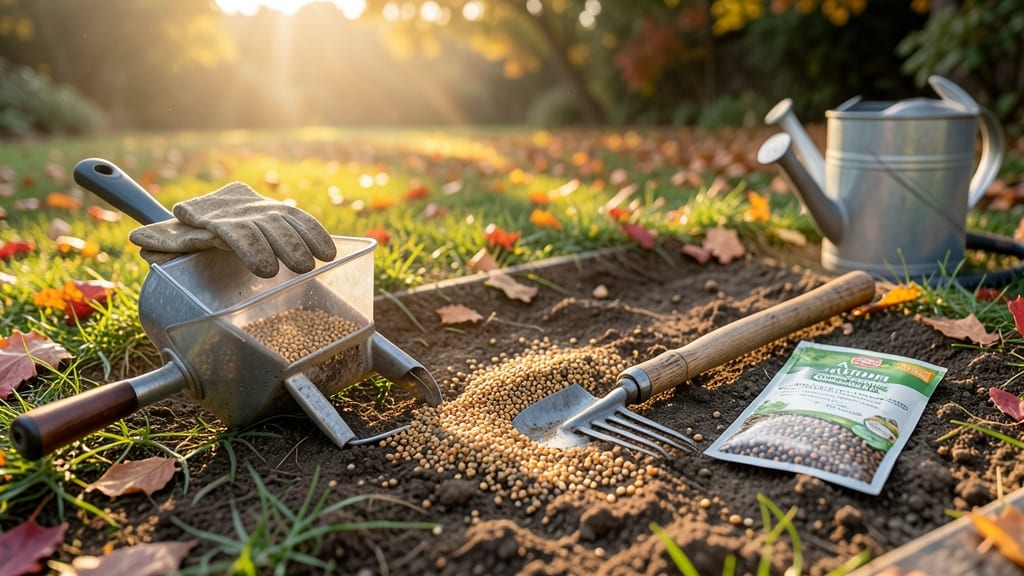
Autumn grass seed planting creates the thickest, most resilient lawns—before the first frost sets in. 🌱 I’ve learned the hard way that timing matters: seed too early, and weeds take over; too late, and winter kills tender sprouts.
The sweet spot? Late August through mid-October, when soil stays warm enough for roots to establish but temperatures drop to slow weed growth. Prep is everything: rake out dead grass, loosen compacted soil, and spread a starter fertilizer with half the spring dose.
Water lightly twice daily until germination (about 10-14 days), then taper to deep, infrequent watering. The key is keeping the soil consistently moist—not soggy—while avoiding fungal risks from overwatering. By early winter, you’ll see dense, frost-resistant roots holding soil in place, ready to burst with spring growth.
No more patchy lawns or summer brownouts—just a carpet of grass that outlasts heat and drought. Here’s exactly how to nail the timing and prep for your region. Works for cool-season grasses like fescue and ryegrass, plus warm-season varieties in mild climates.
Let’s get that seed in the ground before the first chill!
📚 In This Guide
- What you need
- Instructions
- Tips and common mistakes
- Wrapping up and next steps
What you need
- ● Grass seed: Choose a cool-season blend (e.g., Kentucky bluegrass, fescue, or ryegrass). Quantity: 5–10 lbs per 500 sq ft (adjust for bare spots or thin areas).
- ○ Soil testing kit: Optional but recommended to check pH (aim for 6.0–7.0).
- ● Lime or sulfur: If soil pH is off (apply 1–2 lbs per 100 sq ft based on test results).
- ● Compost or organic fertilizer: Low-nitrogen (e.g., 0-0-10 or 5-10-10) at ½ lb per 100 sq ft to avoid burning seedlings.
- ● Lawn rake: Bow rake (for leveling) + garden rake (for seed-to-soil contact).
- ○ Broadcast spreader: For even seed distribution (optional but ideal for large areas).
- ● Handheld spreader or seed shaker: For small patches or edges.
- ● Garden hose with nozzle: Fine mist setting for gentle watering.
- ● Knee pads or gloves: Because every gardener deserves comfort! 😉
- ● Weather window: Plant 4–6 weeks before first frost (typically September–early October in most U.S. zones).
- ● Lawn prep: Mow existing grass short (1–1.5") and remove debris.
- ● Soil prep: Loosen top ¼–½ inch of soil with a rake or aerator (if compacted).
- ● Water source: Reliable access for daily light watering (no puddles!).
Step-by-Step instructions for grass seed autumn planting
Autumn planting gives grass roots time to establish before winter—here's how to do it right.
🌱 Step 1: Prepare the Soil for Optimal Seed Contact
Begin by mowing the lawn as short as possible—about 1 inch—to expose bare soil where seeds will make direct contact. This isn't about scalping your lawn; it's about giving seeds the best possible start. Use a rake to gently remove any remaining thatch or debris, then loosen the top ¼ inch of soil with a garden rake or scarifier.
Pay attention to the texture—it should feel slightly crumbly, not compact. If your soil is heavy clay, work in 2-3 inches of compost now to improve drainage. Lightly water the area until the soil is damp but not soggy. You'll know it's ready when a handful of soil holds together but doesn't form a tight ball.
💧 Step 2: Spread Seed Evenly for Uniform Germination
Use a broadcast spreader for large areas or a hand spreader for small patches to distribute the seed evenly. Walk in a crisscross pattern to ensure full coverage—missed spots will leave thin patches. For 4,000 square feet, use about 8-12 pounds of seed, depending on the blend. I like to divide the seed into two applications: spread half in one direction, then the other half perpendicular.
Don't worry about pressing seeds into the soil—light coverage is all they need. After spreading, go over the area with a lawn roller or the back of a rake to ensure good seed-to-soil contact. This prevents seeds from washing away during your first watering. If you're seeding bare spots, mix a small amount of seed with sand first to make spreading easier.
☀️ Step 3: Water Strategically for Consistent Moisture
The first 2-3 weeks are critical—keep the soil surface consistently moist, but never waterlogged. Water lightly 2-3 times daily for 10-15 minutes each session to maintain even moisture without disturbing the seeds. You'll see tiny green shoots appear in 5-14 days, depending on the grass type and weather.
Once seedlings reach about 2 inches tall, reduce watering to 1 inch per week, including rainfall. This encourages deeper root growth. Avoid watering in the evening to prevent fungal diseases. If your lawn starts to dry out between waterings, you'll notice the grass blades turning blue-gray—a clear sign it's time to water again.
⏰ Step 4: Maintain Through Fall for Winter Readiness
Continue mowing once the grass reaches 3-4 inches tall, keeping the height at 3 inches to shade the soil and retain moisture. Fertilize with a low-nitrogen, high-phosphorus blend (like 5-10-10) to promote root development. Apply it in early autumn, about 6-8 weeks before the first frost, and water it in well.
Watch for weeds sprouting as temperatures drop—pull them by hand or spot-treat with a pre-emergent herbicide now to prevent spring competition. If frost arrives before your grass is fully established, don't panic. Grass seeds can survive light frosts, but protect newly seeded areas with a thin layer of straw or burlap if a hard freeze is forecasted. By late autumn, your lawn will have strong roots ready to burst into growth come spring.
Tips & tricks for perfect autumn grass seed planting
Here's what nobody tells you about getting that thick, frost-hardy lawn—these tricks make all the difference in autumn planting.
Soil Prep Secret: After mowing to 1 inch and raking away debris, run your fingers through the loosened soil—it should crumble like cake crumbs, not clump like wet sand. If it feels dense, sprinkle a thin layer of sand (about ¼ inch) over the area before seeding. This creates tiny air pockets that help roots establish faster, especially important for cool-season grasses like fescue or ryegrass.
Seed Application Strategy: For the two-pass method in Step 2, I mark my lawn with stakes at 10-foot intervals to ensure even coverage. This prevents the "thin stripe" effect you get when using just one direction. If you're working with a small patch, mix your grass seed with sand (1:1 ratio) to make spreading more precise—this is especially helpful when dealing with windy conditions.
Watering Watch: Those 10-15 minute sessions in Step 3 should leave the top ½ inch of soil damp, not soggy. I test this by grabbing a handful—it should hold together but not drip water. Morning watering (before 10 AM) is ideal because it gives seeds time to dry slightly during the day, reducing fungal risks. If rain is forecast, you can skip your scheduled watering that day, but keep monitoring for moisture.
Frost Protection Hack: When frost threatens before your grass reaches 2 inches tall, cover newly seeded areas with a thin layer of straw (about ½ inch thick) rather than burlap. Straw allows moisture to penetrate while providing insulation—it's like giving your seeds a cozy blanket. Remove it completely when temperatures rise above freezing to prevent mold buildup.
Pro Tips for Grass Seed Autumn
- Here's what nobody tells you about getting that thick, frost-hardy lawn—these tricks make all the difference in autumn planting.
- Soil Prep Secret: After mowing to 1 inch and raking away debris, run your fingers through the loosened soil—it should crumble like cake crumbs, not clump like wet sand.
- Seed Application Strategy: For the two-pass method in Step 2, I mark my lawn with stakes at 10-foot intervals to ensure even coverage.
Frequently asked questions
Got questions about autumn grass seeding?
You’re not alone! Here are answers to the most common concerns—so you can plant with confidence and skip the guesswork.
When is the exact best time to plant grass seed in autumn?
The ideal window is 4–6 weeks before your first hard frost (typically late August to early October in most U.S. zones). This gives seeds time to germinate and establish roots before winter dormancy. Check your local frost dates—cool (50–65°F) but frost-free soil is key!
Can I still seed if frost hits early? What happens if I’m late?
If frost arrives unexpectedly, pause planting—seeds won’t germinate in freezing temps. If you’re late, opt for winter ryegrass (cold-hardy) or wait for spring. Late autumn seeding risks shallow roots, but a thick layer of mulch (straw) can protect tender sprouts.
Do I need to overseed my entire lawn, or can I spot-treat bare patches?
Spot-treating works for small areas (<1 sq ft), but full overseeding (thinning seed at ½ the rate) ensures even coverage and fills gaps more efficiently. For large bare spots, loosen soil with a rake first—seeds need direct soil contact to germinate!
What’s the fastest way to tell if my grass seed is sprouting?
Check for tiny white shoots in 7–14 days (depending on seed type and moisture). Keep soil consistently moist (like a damp sponge) but avoid soggy conditions. A quick trick: Press your finger into the soil—if it springs back, it’s hydrated enough!
Can I use last year’s leftover grass seed? Will it still work?
Most grass seed stays viable for 1–2 years if stored in a cool, dry place (like a sealed container). Test germination by soaking a few seeds in water—if <70% sprout in 7 days, buy fresh. Old seed may yield patchy results or slower growth.
How do I keep critters (squirrels, birds, raccoons) from stealing my seed?
Cover seeded areas with straw or erosion control blankets to deter diggers. Sprinkle seeds after watering to help them stick to soil. For stubborn pests, try a light wire mesh (1/4-inch holes) over small patches—just remove it once sprouts appear!
Wrapping up and next steps
Autumn is the perfect time to sow grass seed—cool temps and frequent rain create ideal conditions for deep root growth. By following a frost-proof timeline and choosing the right seeds, you’ll set your lawn up for a lush, resilient spring.
Don’t wait—act now to outpace weeds and enjoy a thicker, greener lawn next season!
Next steps:
- 📅 Mark your calendar for early October planting (adjust for your zone).
- 🛒 Gather supplies (seed, soil, tools) and prep your yard.
- 🌱 Start small—even a patch of new grass makes a difference!