
Lawn
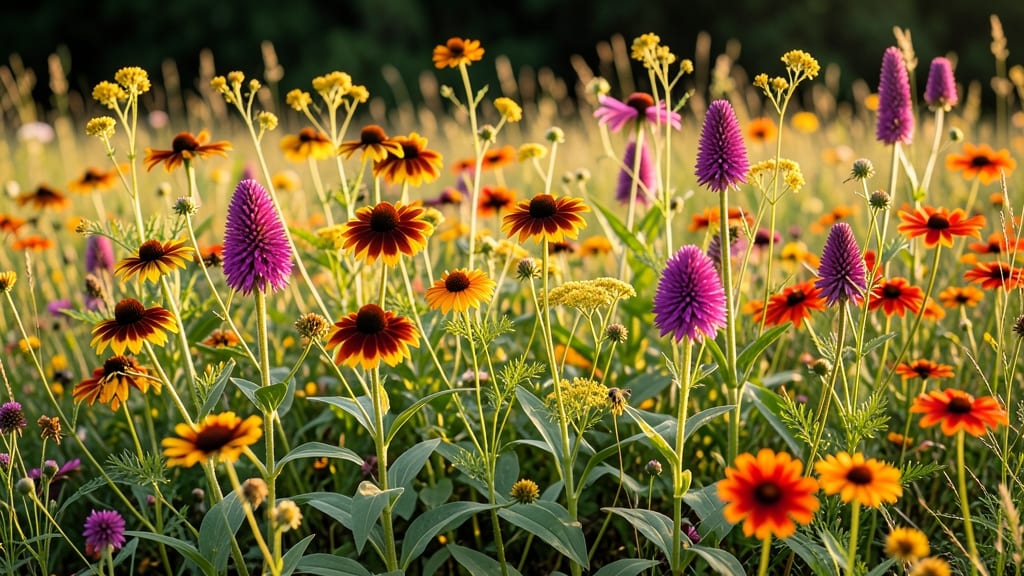
A Georgia wildflower seed mix brings color to your yard even when winter freezes the ground. 🌼 The right blend thrives through Georgia’s hot summers and chilly winters, giving you blooms from early spring through fall without extra effort.
My first mix surprised me—it handled last year’s late frost and still produced flowers for 10 months. You’ll need a sunny spot (at least 6 hours of light), loose soil, and minimal water once established.
Native species like black-eyed Susans and coreopsis attract bees and butterflies while needing far less care than lawn grass. The key is planting in early spring or late summer when weeds are less aggressive. Once planted, these wildflowers spread naturally, creating a low-maintenance meadow.
You’ll see the first blooms in about 6-8 weeks, and the pollinators will thank you all season. The best part? No mowing or fertilizing required after the first year. Perfect for transforming bare patches, slopes, or even along fences.
Here’s how to make it happen without the guesswork—no green thumb required!
📚 In This Guide
- What you need
- Instructions
- Tips and common mistakes
- Wrapping up and next steps
What you need
- ● Georgia Wildflower Seed Mix: 1–5 lbs (coverage depends on area size; 1 lb covers ~100 sq ft). Choose a frost-resistant blend with native species like Black-Eyed Susan, Coreopsis, and Purple Coneflower.
- ● Soil: Well-draining, slightly sandy loam (amend heavy clay with compost or coarse sand if needed). Test pH (ideal: 6.0–7.0).
- ● Water Source: Garden hose with adjustable nozzle or drip irrigation system.
- ● Rake or Garden Hoe: Medium-sized (8–12-inch head) for soil prep.
- ○ Broadcast Spreader (optional but helpful): Handheld or tow-behind (for even seed distribution).
- ● Gloves: Heavy-duty work gloves (to protect hands from prickly stems).
- ● Wheelbarrow or Bucket: For mixing soil amendments (e.g., compost or lime).
- ● Mulch (Straw or Pine Needles): Light layer (¼-inch thick) to retain moisture and deter weeds.
- ● Weather Forecast: Check for dry, warm days (70°F+) for sowing—avoid rain for 24–48 hours post-planting.
- ● Seedling Tray: For starting seeds indoors 4–6 weeks before last frost (if extending bloom time).
- ● Organic Fertilizer: Low-nitrogen, phosphorus-rich (e.g., 5-10-10) for root development (apply sparingly).
- ● Bird & Bee Feeders: Nearby placement encourages pollinators (boosts wildflower success!).
- ● Wildflower Field Guide: For identifying native species and troubleshooting pests.
How to plant a Georgia wildflower seed mix for year-round color
Here's the simple method I use to create a thriving, low-maintenance meadow that blooms from spring through frost.
🌱 Step 1: Choose the Perfect Planting Time and Location
Spring and fall are ideal windows for planting Georgia wildflower mixes. In spring, sow seeds after the last frost when soil temperatures reach at least 60°F. Fall planting works best when daytime temperatures stay above 70°F but nights dip below 50°F—this gives seeds time to germinate before winter dormancy.
Select a sunny spot with 6+ hours of direct sunlight daily. Wildflowers thrive in well-draining soil, so avoid low-lying areas where water pools. If your soil is heavy clay, mix in 2-3 inches of compost before planting to improve drainage. I always test the pH—Georgia wildflowers prefer slightly acidic to neutral soil (pH 6.0-7.0).
🪴 Step 2: Prepare the Soil and Scatter Seeds Evenly
Clear the area of weeds and debris, then loosen the top 2-3 inches of soil with a rake or hoe. For larger areas, use a garden fork to aerate without turning the soil completely. The goal is to create a loose, crumbly surface that seeds can easily settle into.
Scatter seeds lightly but uniformly—don’t bury them. Wildflower seeds need light to germinate, so only press them ¼ inch deep into the soil with a rake or your hand. For a 100-square-foot area, use about ½ pound of seed mix (this yields 4 servings of blooms). Walk in a crisscross pattern to ensure even coverage—thin spots will show up as bare patches later.
☀️ Step 3: Water Gently and Maintain Moisture
Water the area lightly but thoroughly right after planting to settle the seeds into the soil. Use a fine mist setting on your hose or watering can to avoid displacing seeds. Keep the soil consistently moist (not soggy) for the first 2-3 weeks—this is critical for germination. You’ll know moisture is right when the top inch of soil feels damp but not wet.
Once seedlings emerge, reduce watering to once a week unless rainfall is insufficient. Wildflowers develop deep roots quickly and become drought-tolerant once established. Avoid overhead watering after germination—direct streams can uproot tiny seedlings. Instead, water at the base early in the morning to prevent fungal issues.
⏰ Step 4: Let Nature Take Over (Minimal Maintenance)
After the first year, wildflowers require almost no care. Mow back spent blooms in late fall or early winter to 2-3 inches tall—this prevents weeds from taking over and allows sunlight to reach new growth. I skip fertilizers entirely; wildflowers thrive in lean soil and actually prefer it over rich conditions.
If weeds become problematic, spot-treat with a vinegar-based weed killer (avoid chemical herbicides—they harm wildflowers too). By the second year, your meadow should bloom continuously from spring through frost, attracting pollinators and adding color to your landscape without extra effort. The key is patience—most mixes reach peak beauty in 2-3 years as mature plants establish.
✂️ Step 5: Enjoy and Renew as Needed
Wildflowers self-seed naturally, so you’ll see new blooms appearing each year without replanting. If some areas thin out, scatter a small amount of fresh seed mix in bare spots in early spring. Over time, you might notice certain flowers dominating—this is normal! Adjust future seed mixes to include more of your favorites.
Harvest blooms for bouquets by cutting stems early in the morning when moisture is highest. Leave some flowers to seed for next year’s display. In late winter, rake out any remaining debris to prepare for the next growing season. With minimal effort, your Georgia wildflower meadow will reward you with color and life for decades—no replanting required!
Tips & tricks for perfect Georgia wildflower meadows
These simple tricks will help you create a vibrant, low-maintenance meadow that thrives year after year.
Timing is Everything: The 60°F soil temperature threshold in spring is your green light to plant—waiting ensures seeds won't rot in cold soil. I've found that checking soil temperature with a simple thermometer (available at garden centers for under $10) is worth the investment. For fall planting, those 70°F days with 50°F nights create perfect conditions for seeds to germinate before winter dormancy. Don't rush—waiting for these exact conditions makes all the difference in germination rates.
Soil Prep Secret: When loosening that 2-3 inch layer in Step 2, think "fluffy, not turned." Wildflower roots need aeration but hate being buried deep. I use a garden fork to gently break up compacted soil without inverting it—this preserves the natural soil structure while creating the perfect seed bed. For heavy clay soils, adding compost isn't just about drainage; it introduces beneficial microbes that help seeds establish faster.
Watering Wisdom: That 2-3 week moist-but-not-soggy window is critical, but here's what nobody tells you—morning watering is non-negotiable. Watering in the early hours prevents fungal growth and gives seeds time to absorb moisture before the heat of day. I set a timer for my sprinkler system to run for exactly 10 minutes each morning during this period. Once seedlings appear, switch to deep watering at the base rather than overhead—this builds strong root systems that make your meadow drought-tolerant.
Long-Term Strategy: The 2-3 inch mow in late fall isn't just about aesthetics—it's about preserving seed heads for next year's blooms. I mark my calendar for the first week of December to do this, right after the first hard frost. This timing ensures we've captured all the seeds while still allowing sunlight to reach new growth. Most people skip this step and end up with bare patches where weeds take over—don't make that mistake!
Pro Tips for Georgia Wildflower Seed Mix
- These simple tricks will help you create a vibrant, low-maintenance meadow that thrives year after year.
- Timing is Everything: The 60°F soil temperature threshold in spring is your green light to plant—waiting ensures seeds won't rot in cold soil.
- Soil Prep Secret: When loosening that 2-3 inch layer in Step 2, think "fluffy, not turned."
Frequently asked questions
Got questions about transforming your Georgia landscape with wildflower seed mixes? Here are some of the most common ones—and their answers!
When is the best time to plant Georgia wildflower seeds?
The ideal planting window is late fall (October–November) or early spring (February–March). These periods provide cooler temps and consistent moisture, giving seeds the best chance to establish roots before summer heat arrives. Pro tip: Avoid planting in summer—high temps can dry seeds out before germination!
Will these wildflowers survive Georgia’s winter freezes?
Yes! A quality Georgia wildflower mix includes frost-resistant varieties like black-eyed Susan, coreopsis, and purple coneflower. These perennials return year after year, even after light freezes. Hardiness zone 7–9: Most mixes thrive in Georgia’s climate, but mulch lightly after planting for extra protection.
Can I use wildflower seeds instead of grass for my entire lawn?
While wildflowers create stunning, low-maintenance landscapes, they’re not a full grass replacement. Mixes work best in sunny, open areas like meadows, median strips, or slopes. For foot traffic, pair seeds with a wildflower-grass blend or stick to high-traffic zones with grass. Bonus: Wildflowers attract pollinators and reduce mowing!
How much sun do Georgia wildflowers need to thrive?
Most native wildflower mixes thrive in full sun (6+ hours/day), but some varieties tolerate partial shade (3–6 hours). Check your mix’s label—shade-tolerant blends include flowers like partridge pea or butterfly milkweed. Troubleshoot: If blooms are sparse, thin nearby trees or relocate seeds to sunnier spots.
Will wildflowers spread uncontrollably and crowd out my garden?
Not if planted responsibly! Most Georgia wildflower seeds self-seed moderately—they’ll naturalize but won’t smother other plants. To control spread, avoid over-seeding and mow lightly in early spring before flowering. Pro tip: Plant in designated areas (like borders) to keep them contained.
What if my seeds don’t germinate after planting?
Try these fixes:
- Check moisture: Keep soil consistently damp (not soggy) for 4–6 weeks.
- Verify sunlight: Ensure the area gets adequate light (per mix requirements).
- Test seed viability: Soak a few seeds in water—if they sink, they’re likely good. If not, order fresh seeds!
- Scratch the soil: Lightly rake or scarify the surface to help seeds make contact with earth.
Most mixes germinate within 10–21 days under ideal conditions.
Wrapping up and next steps
Transforming your Georgia landscape into a vibrant, low-maintenance wildflower haven is easier—and more rewarding—than you think! With a frost-resistant Georgia wildflower seed mix, you’re not just planting seeds; you’re inviting nature’s beauty to thrive year-round, supporting pollinators, and reducing your workload. 🌸
Ready to take the next step? Start small—try a sunny patch or a rain garden—and watch your garden bloom with color and life. Happy planting!