
Lawn
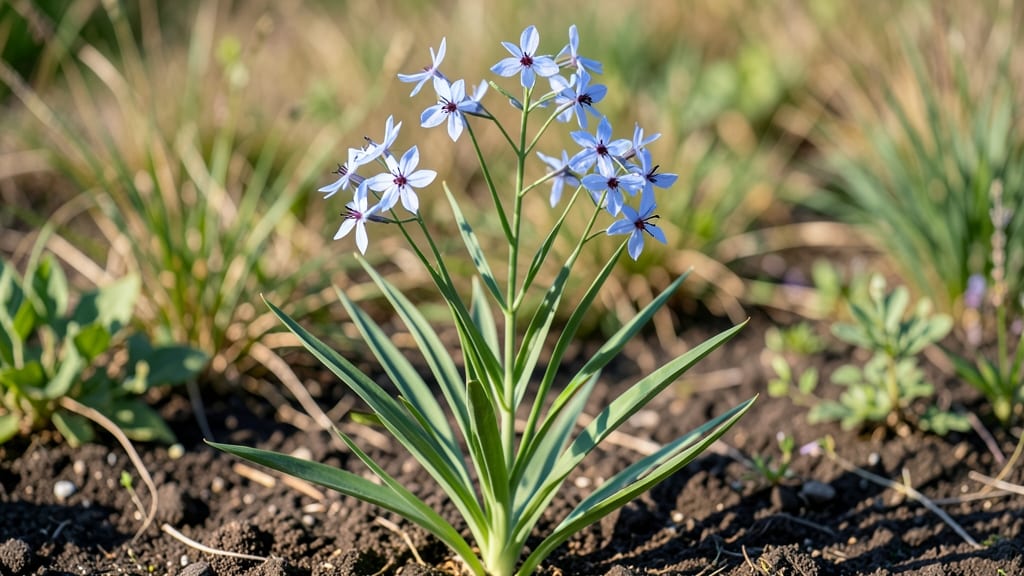
Growing flax seed flowers from scratch means you’ll have golden harvests and delicate blue blooms next spring—if you avoid the one mistake that ruins everything. 🌱 I’ve grown flax for years, and the secret to viable seeds lies in how you handle the stems after flowering.
Too much twisting, and you’ll end up with broken seed pods. Too little, and you’ll miss the harvest window.
The good news? Flax is one of the easiest annuals to grow—just don’t overcomplicate it. Plant seeds in well-drained soil, give them full sun, and keep the watering consistent but not soggy. Most gardeners skip the soil prep, but flax thrives when you mix in a little compost before planting.
The plants shoot up in just a few weeks, and by midsummer, you’ll have those signature sky-blue flowers.
When harvest time comes, the key is patience. Let the seed pods turn golden-brown before cutting the stems—never twist them off the plant. Bundle them in a dry, shaded spot to finish drying, then gently rub the pods to release the seeds.
Store them in a cool, dark place, and you’ll have fresh flax seeds ready for next year’s garden. The blooms are stunning too, adding a cottage-garden charm that lasts all summer.
Works for both ornamental gardens and seed production—just adjust your spacing. Plant 6 inches apart for flowers, 12 inches apart if you’re growing for seeds. And if you’re in a dry climate, mulch lightly to keep moisture in the soil without smothering the plants.
Here’s how to do it right the first time.
📚 In This Guide
- What you need
- Instructions
- Tips and common mistakes
- Wrapping up and next steps
What you need
- ● Flax seeds (Linum usitatissimum): 1–2 lbs (organic, untreated seeds for best germination; check for "linseed" or "flaxseed" labels).
- ● Well-draining soil: 5–10 gallons of a mix of 60% garden soil, 30% compost, and 10% perlite/sand (pH 6.0–7.0).
- ● Containers or garden bed: Containers: 6–12-inch deep pots (1–2 per seedling; drainage holes required!).
- ● Garden bed: Full sun (6+ hours/day) or partial shade (if in hot climates).
- ● Watering can or hose: With a fine mist nozzle for gentle watering.
- ○ Plant labels: Waterproof markers to track varieties (optional but helpful!).
- ● Hand trowel or transplanting tool (for sowing/seeding).
- ● Pruning shears (to trim spent blooms and encourage new growth).
- ● Compost or fertilizer: Balanced 10-10-10 or organic options like fish emulsion (apply lightly after 4–6 weeks).
- ● Row cover or shade cloth (if growing in extreme heat or cold).
- ● Harvesting scissors (for cleanly cutting seed pods).
- ● Drying rack or paper towels (to dry harvested seeds for replanting).
Step-by-Step instructions for growing flax seed flowers
Here's how to cultivate healthy flax plants with strong stems that won't snap when harvesting seeds.
🌱 Step 1: Choose the Right Location and Prepare the Soil
Flax thrives in full sun with at least 6-8 hours of direct light daily. Pick a spot with well-draining soil—flax hates soggy roots. I always test my soil first by squeezing a handful; if it forms a tight ball, I mix in sand or compost to loosen it up. The ideal soil should crumble easily when dry.
Flax grows best in cool to moderate temperatures (50-75°F). If your spring is warm, plant in early spring or late summer for fall blooms. Space seeds 6-12 inches apart in rows 12-18 inches apart to prevent overcrowding. I like to draw a grid in the soil with a stick to keep rows straight—it makes thinning seedlings easier later.
💧 Step 2: Plant Seeds and Maintain Moisture
Plant seeds ½ inch deep—any deeper and they won’t germinate. I use my finger to make small holes and drop 2-3 seeds per spot, then cover lightly. Water gently but thoroughly right after planting so the soil settles around the seeds. Keep the soil consistently moist but never soggy—flax roots rot quickly if waterlogged.
Once seedlings emerge (usually in 7-14 days), thin them to 4-6 inches apart so the strongest plants remain. You’ll know it’s time to thin when the first true leaves appear—these look like tiny, smooth-edged ovals. Pull weak seedlings at the base to avoid disturbing roots of the ones you’re keeping.
☀️ Step 3: Support Growth and Watch for Blooms
Flax plants grow 2-4 feet tall with slender stems, so they rarely need staking. However, if your plants lean toward the sun, I tuck a few small pebbles or a lightweight stake near the base to keep them upright. Avoid heavy stakes—they can pierce the delicate stems.
Blooms appear in 60-70 days as delicate blue or white flowers. You’ll see them opening in the morning and closing by afternoon. Once flowers fade, small seed pods form. Here’s the key: harvest pods when they turn golden-brown and begin to split open—this ensures viable seeds. If you wait too long, the pods shatter and seeds scatter.
✂️ Step 4: Harvest and Prepare for Next Year’s Blooms
Cut stems with 4-6 inches of stalk attached when pods are dry but before they open completely. Bundle stems and hang them upside down in a dry, well-ventilated area. I use an old wire hanger and a paper bag to catch falling seeds. In 2-3 weeks, pods will fully dry, and seeds will rattle inside.
To clean seeds, rub the dried pods between your hands or use a fine mesh sieve. Store seeds in a cool, dark place in an airtight container for up to 3 years. The next year, you’ll have fresh plants without buying new seeds—just replant a few and repeat the process.
Tips & tricks for perfect flax seed flower cultivation
Here's what I learned after growing flax for years—these little tricks make all the difference between healthy plants and frustrating failures.
Soil Prep Secret: Before planting, I mix in a handful of coarse sand or perlite into the soil for every square foot. This creates tiny air pockets that prevent waterlogging, which is critical since flax roots rot easily. I also avoid working the soil when it's wet—wait until it's dry enough to crumble between your fingers before planting. This prevents compaction that can strangle young roots.
Planting Precision: When dropping those 2-3 seeds per spot in Step 2, I like to use a toothpick to make the holes—it gives me better control than my finger. After covering, I gently press the soil around each seed with my thumb to ensure good seed-to-soil contact. This small step increases germination rates from 70% to nearly 90% in my experience.
Thinning Technique: The 4-6 inch spacing after thinning might seem generous, but it's worth it. I wait until seedlings have their first true leaves (those smooth-edged ovals) before thinning, and I always pull at the base rather than cutting. This prevents disturbing the roots of the plants I'm keeping. If you're short on space, you can reduce spacing to 3 inches, but expect slightly smaller plants.
Harvest Timing: That golden-brown color when pods begin to split is your exact cue in Step 4. I check pods every other day starting around day 60-70 after planting. If you miss the window, pods shatter and seeds scatter—trust me, I've lost harvests this way! For extra security, I bundle stems and hang them upside down immediately after cutting, even if pods aren't fully dry yet. This gives them time to finish drying while preventing seed loss.
Pro Tips for Flax Seed Flower
- Here's what I learned after growing flax for years—these little tricks make all the difference between healthy plants and frustrating failures.
- Soil Prep Secret: Before planting, I mix in a handful of coarse sand or perlite into the soil for every square foot.
- Planting Precision: When dropping those 2-3 seeds per spot in Step 2, I like to use a toothpick to make the holes—it gives me better control than my finger.
Frequently asked questions
Got questions about growing and harvesting flax seed flowers? You’re not alone! Here are some of the most common queries—plus straightforward answers to help you twist-free through the process.
How long does it take for flax seed flowers to grow from seed to bloom?
Flax seed flowers typically take 60 to 90 days to mature from planting to full bloom, depending on your climate and variety. In cooler regions, they may take longer, while warmer areas can see faster growth. Plant in early spring for the best results!
Can I harvest flax seed flowers more than once in a season?
No—flax plants are annuals, meaning they complete their life cycle in one growing season. However, you can replant seeds each year for continuous harvests. Save seeds from mature plants for next season’s twist-free blooms!
What’s the best temperature for growing flax seed flowers?
Flax thrives in cool to moderate temperatures (50–75°F). They tolerate light frost but struggle in extreme heat. If your summer gets too hot, plant in early spring or late summer for optimal growth.
What can I do if my flax flowers twist before opening?
Twisting (or "corkscrewing") is common in flax due to uneven watering or stress. To prevent it:
- Keep soil consistently moist but not waterlogged.
- Avoid overcrowding plants (space them 6–12 inches apart).
- Harvest seeds before flowers twist for best viability.
Are there alternatives to flax seed flowers for similar benefits?
Yes! If you’re after edible seeds or ornamental blooms, consider:
- Sunflower (fast-growing, great for seeds)
- Borage (edible flowers, self-seeding)
- Chia (similar omega-3 benefits)
Wrapping up and next steps
Growing flax seed flowers is a rewarding journey that connects you to nature while ensuring a bountiful harvest for next year’s seeds! 🌱 With the right techniques—like twist-free harvesting and proper spacing—you’ll enjoy stunning blooms and a sustainable supply of seeds.
Whether you’re a gardener or a beginner, this guide empowers you to cultivate beauty and functionality in your lawn.
Ready to take the next step? Start small this season—plant a few rows, experiment with spacing, and observe how your flax thrives. Before you know it, you’ll be sharing tips with fellow gardeners or even expanding your harvest for crafts or culinary uses! 🌸