
Propagation
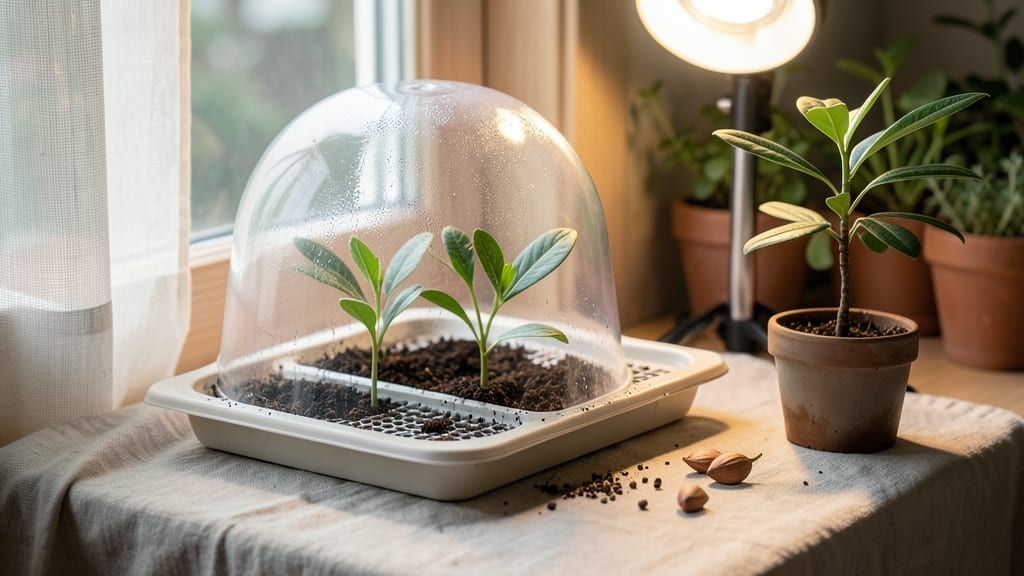
Eucalyptus seed germination starts with the right extraction method—no more struggling to crack those stubborn seed pods. ✨ The key is patience and the right setup, because eucalyptus seeds need specific conditions to break dormancy and sprout reliably.
I’ve learned that forcing them too soon leads to moldy soil and wasted effort, but with the right approach, you’ll see those first green shoots in just 2-4 weeks.
Most gardeners overlook the importance of scarification—either through light sandpaper rubbing or a quick soak in warm water—to soften the tough outer shell. After that, a mix of 50% perlite and 50% peat moss keeps seeds from rotting while providing the airflow they crave.
Keep the tray in a warm spot (70-75°F) under a grow light, and mist the soil lightly every other day to maintain humidity without drowning the seeds. What makes this method work is the balance: too much water causes rot, too little stalls germination.
You’ll know it’s working when tiny leaves appear—first fuzzy, then bright green. Even if some seeds take longer, don’t give up; eucalyptus is slow but steady, and a little persistence pays off with strong, disease-resistant seedlings.
This works for both indoor setups (like a sunny windowsill) and outdoor cold frames, though outdoor germination requires extra protection from pests. Once you’ve mastered the basics, you can experiment with different eucalyptus varieties—each brings its own fragrance and growth habit to your garden.
📚 In This Guide
- What you need
- Instructions
- Tips and common mistakes
- Wrapping up and next steps
What you need
- ● Eucalyptus seeds: Fresh, high-quality seeds (ensure they’re viable—test a few in water to check for sinkers vs. floaters). Aim for at least 50 seeds for better success rates.
- ● Seed germination tray or small pots: 4-6 inch diameter (use biodegradable pots if transplanting later). Quantity: 1 tray or 4-6 pots.
- ● Seed-starting mix: Lightweight, well-draining mix (e.g., 50% peat moss + 50% perlite or a pre-mixed seedling blend). Quantity: ~1 gallon.
- ● Spray bottle: Fine-mist setting for gentle watering (8-16 oz capacity).
- ○ Clear plastic dome or plastic wrap: To create a humidity tent. Optional: Use a humidity tray for extra moisture control.
- ○ Heat mat (optional but recommended): Germination mat set to 75–85°F (24–29°C) for faster sprouting.
- ● Tweezers or toothpick: For carefully placing tiny seeds.
- ○ Fine-grit sandpaper (optional): Lightly scratch seed coats if germination is slow (use sparingly).
- ● Grow lights or sunny windowsill: Provide 12–16 hours of light daily once sprouts emerge.
- ○ pH meter or test kit (optional): Ideal soil pH for eucalyptus: 6.0–7.0.
- ● Label markers: To tag pots with seed type and date!
Step-by-step instructions for eucalyptus seed germination
Here's the foolproof method I've used to coax eucalyptus seeds to sprout—no stubborn twisting required.
🌱 Step 1: Extract Seeds Without Damaging the Shell
Eucalyptus seeds hide inside hard capsules that release them when dry. Gently snap open a mature capsule and tap it over a bowl to collect the tiny, papery seeds. Handle them carefully—they're delicate and won't tolerate rough treatment. I like to work on a clean white surface so I can spot every seed against the background.
Don't be tempted to twist the capsules open. Twisting cracks the seed coat, which prevents germination. Instead, let nature do the work by placing dried capsules in a paper bag for a week—they'll open on their own when ready to release seeds.
💧 Step 2: Soak Seeds to Softened the Hard Coating
Fill a small container with lukewarm water and add the eucalyptus seeds. Let them soak for 24 hours—this softens the tough outer shell and kickstarts germination. I use a clear container so I can watch the seeds swell slightly over time.
After soaking, drain the water completely. The seeds will sink to the bottom, looking plump and ready. Never let them sit in standing water—this causes rot before they can sprout. Pat them dry gently with a paper towel before moving to the next step.
☀️ Step 3: Plant in Warm, Moist Conditions
Fill small pots with sterile seed-starting mix (never garden soil—it's too dense for these tiny seeds). Press the mix down lightly to create a firm planting surface. Scatter the seeds on top, spacing them about ½ inch apart—they won't need thinning later.
Lightly cover the seeds with a thin layer of additional mix, just enough to hide them but not bury them deeply. Mist the surface until evenly damp, then cover the pot with clear plastic wrap to create a humid microclimate. Place the pot in a warm spot (75-80°F)—a seedling heat mat works wonders if you're in a cooler climate.
🌿 Step 4: Maintain Humidity and Wait for Sprouts
Check the pot daily, removing the plastic wrap for 10 minutes to prevent mold. Keep the soil surface consistently moist—you'll know it's right when the top layer feels damp but not soggy. Germination can take 2-4 weeks, so patience is key.
Once you see the first tiny green shoots (first true leaves), remove the plastic wrap completely. This prevents leggy growth as the seedlings reach for light. Move them to a bright spot with indirect sunlight—direct sun at this stage can scorch their delicate leaves.
⏰ Step 5: Transplant When Ready
After 4-6 weeks, when seedlings have 2-3 sets of true leaves, they're ready for individual pots. Use 3-inch containers filled with a well-draining mix. Gently remove each seedling, keeping the root ball intact, and plant it at the same depth it grew in the seed tray.
Water lightly after transplanting and place the pots in bright, filtered light for a week to help them adjust. Avoid direct sun until you see new growth—this signals they're strong enough to handle more intensity. Real talk: eucalyptus seedlings are slow starters, but once they're established, they grow like crazy.
Tips & tricks for perfect eucalyptus seed germination
Here's what nobody tells you about getting these stubborn seeds to sprout—trust me, these small details make all the difference.
Seed Extraction Strategy: For maximum seed yield, collect capsules when they're completely dry but haven't yet released seeds naturally. Place them in a paper bag and seal it tightly—shake gently each day. You'll hear the seeds rattling inside when they're ready to release, usually within 3-5 days. This gentle approach preserves seed viability that twisting would destroy.
Soaking Secret: The 24-hour soak is non-negotiable for eucalyptus seeds—their hard outer shells need this full time to soften enough for water to penetrate. I've tried shorter soaks, and the germination rate drops dramatically. Use lukewarm water (around 75°F) rather than hot water, which can damage the delicate seed embryos. After draining, pat them dry with a paper towel—don't use a cloth, as fibers can stick to the tiny seeds.
Planting Precision: When scattering seeds in Step 3, aim for that ½-inch spacing but don't stress about perfect alignment. These seeds are so small that even if they're slightly closer together, they won't need thinning later. The key is to keep them visible on the surface—they need light to trigger germination. I like to use a fine mist bottle to dampen the soil after planting, as it gives me better control than just misting from above.
Germination Environment: Maintaining that 75-80°F temperature range is crucial, but don't worry if your home runs cooler. Place the pots on top of your refrigerator (not inside) or use a seedling heat mat set to low. The warm spot should be consistent—fluctuations can confuse the seeds and delay sprouting. Once you see those first true leaves appear, you can gradually reduce humidity by removing the plastic wrap completely over 2-3 days.
Pro Tips for Eucalyptus Seed Germination
- Here's what nobody tells you about getting these stubborn seeds to sprout—trust me, these small details make all the ...
- Seed Extraction Strategy: For maximum seed yield, collect capsules when they're completely dry but haven't yet releas...
- Soaking Secret: The 24-hour soak is non-negotiable for eucalyptus seeds—their hard outer shells need this full time t...
Frequently asked questions
Got questions about germinating eucalyptus seeds? You’re not alone—this process can be tricky! Here are some of the most common queries (and answers) to help you succeed.
How long does it take for eucalyptus seeds to germinate?
Eucalyptus seeds typically take 2 to 6 weeks to germinate, depending on the species and conditions. Some varieties, like Eucalyptus globulus, may sprout faster with proper warmth (70–80°F) and moisture. Patience is key—don’t give up if sprouts don’t appear immediately!
Do eucalyptus seeds need cold stratification?
Most eucalyptus seeds do not require cold stratification—they’re naturally dormant due to hard seed coats. Instead, focus on scarification (like soaking or nicking the seed) to break dormancy. For stubborn seeds, a brief cold treatment (4–6 weeks) might help, but it’s not always necessary.
What’s the best way to keep seeds moist during germination?
Use a spray bottle to mist seeds lightly daily—avoid soaking the soil, which can cause rot. A clear plastic bag over the container traps humidity while allowing airflow. Check moisture by touching the soil; it should feel damp but not soggy. Pro tip: A humidity dome or pebble tray works too!
Can I grow eucalyptus from cuttings instead of seeds?
Yes! Many eucalyptus varieties root easily from semi-hardwood cuttings (taken in spring/summer). Dip the cut end in rooting hormone, plant in moist perlite/sand mix, and cover with a plastic bag. Cuttings often germinate faster than seeds—ideal for propagating mature trees. Seed germination is better for rare or hybrid species.
Why aren’t my eucalyptus seeds sprouting? Troubleshooting tips
- Hard seed coat: Try soaking seeds in warm water for 24–48 hours or gently sandpaper the outer layer.
- Poor moisture: Increase humidity with a humidity tray or bottom-water the tray.
- Temperature issues: Eucalyptus seeds prefer warmth—move to a sunny windowsill or use a heat mat.
- Old seeds: Fresh seeds (1–2 years old) germinate best. Test viability by cutting open a few seeds—look for a firm, green embryo.
Still stuck? Some species (like Eucalyptus camaldulensis) are notoriously slow—research your specific variety for tailored tips!
Wrapping up and next steps
Mastering eucalyptus seed germination with twist-free extraction is totally within your reach—just follow the right techniques! 🌱 With patience, precision, and the right tools, you’ll unlock the potential of those tiny seeds to grow into thriving plants.
Now that you’re armed with the know-how, why not take the next step? Start experimenting with different eucalyptus varieties or even share your newfound skills with fellow plant enthusiasts. Happy growing!