
Size
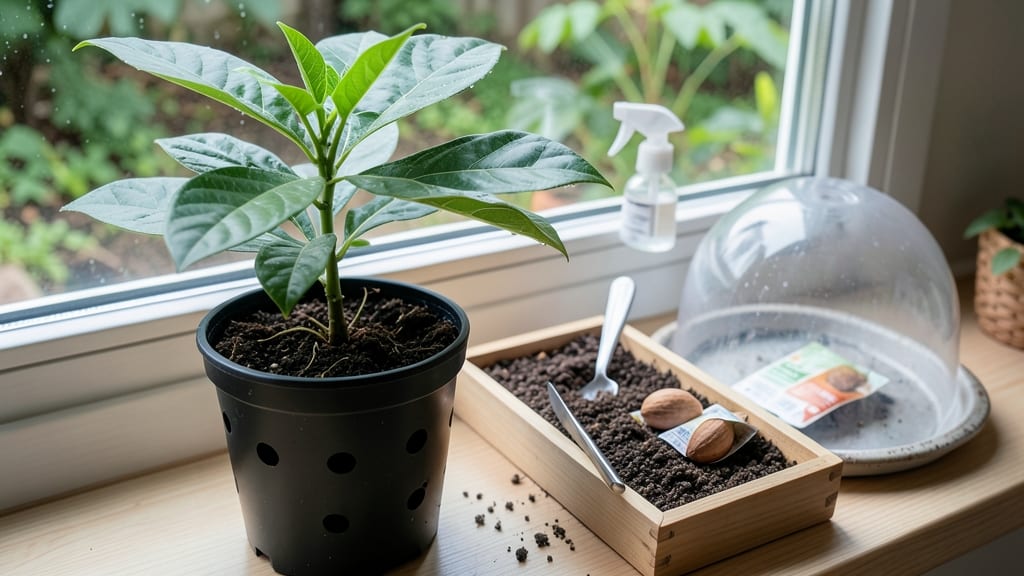
Growing cacao from seed lets you taste chocolate straight from your own tree—if you're in the right climate. 🌿 The process is simpler than you'd think, but it requires patience and a few key conditions that most home gardens can't easily replicate.
I've grown cacao in my subtropical microclimate, and while it's not foolproof, the reward of harvesting your own pods makes it worth the effort.
The first challenge is climate: cacao thrives in tropical or subtropical zones where temperatures stay between 68-86°F year-round, with high humidity. If you're outside those zones, you'll need a greenhouse or indoor grow space with precise conditions.
Beyond that, you'll need well-draining, slightly acidic soil (pH 5.0-6.5) and a spot that mimics the dappled shade of a rainforest understory—bright but not scorching.
Germination takes 2-4 weeks, and seedlings grow slowly at first, but once established, they can reach 10-15 feet in ideal conditions. The real magic happens 3-5 years later, when your tree finally produces pods—though home gardeners rarely get that far due to space, climate, or pest issues.
Still, even a small tree in a pot can yield a few pods with the right care.
Common pitfalls include fungal issues from overwatering, pests like mealybugs, and root rot if drainage is poor. But with consistent moisture, shade management, and occasional pruning, you can keep a cacao tree alive long enough to see those first pods.
For most home gardeners, this is more of a long-term experiment than a practical harvest—though the journey is half the fun.
📚 In This Guide
- What you need
- Instructions
- Tips and common mistakes
- Wrapping up and next steps
What you need
- ● Cacao pods: 3–5 fresh, organic pods (ensure they’re fully ripe—think deep purple or orange!)
- ● Cacao seeds: 10–20 viable seeds (fermented for 5–7 days for best germination)
- ● Potting soil: 1–2 bags (well-draining, slightly acidic mix: 60% peat moss, 30% coconut coir, 10% perlite)
- ● Seed-starting trays: 1–2 (with drainage holes) or small pots (3–4 inches deep)
- ● Plastic wrap or humidity dome: 1 (to retain moisture during germination)
- ● Spray bottle: 1 (for gentle watering)
- ● Grow lights or sunny windowsill: 1 (cacao needs 12+ hours of light daily)
- ● Pruning shears: 1 (for pod harvesting and later trimming)
- ● pH meter: 1 (ideal soil pH: 5.0–6.5)
- ● Fertilizer: Slow-release organic (e.g., worm castings or balanced 10-10-10)
- ● Mulch (wood chips or cocoa husks): 1 bag (to retain moisture and mimic tropical conditions)
- ● Trellis or stakes: 1–2 (for supporting vines as the plant matures)
- ● Thermometer/hygrometer: 1 (cacao thrives in 70–85°F and 70–80% humidity)
Simple step-by-step guide to growing cacao trees from seed
Here's how to turn a cacao pod into a thriving tree—no fancy equipment needed.
🌱 Step 1: Extract and Prepare the Seeds
Start with fresh cacao pods—never dried beans. Cut open the pod lengthwise with a sharp knife and scoop out the white, gel-coated seeds. Rinse them gently under lukewarm water to remove any pulp residue. The seeds are ready when they're clean but still moist to the touch.
Place the seeds in a small container with 1 inch of water at room temperature. Cover loosely with plastic wrap to retain humidity. You'll see the seeds swell slightly within 12-24 hours—this signals they're absorbing moisture and preparing to germinate. Change the water daily to prevent bacterial growth.
☀️ Step 2: Germinate in Warm, Humid Conditions
Transfer the swollen seeds to a seedling tray filled with moistened sphagnum moss or a 50/50 mix of peat and perlite. Press each seed ½ inch deep into the medium, spacing them 2 inches apart. Cacao seeds thrive in warmth—place the tray on a seedling heat mat set to 80-85°F.
Cover the tray with clear plastic wrap or a humidity dome to create a greenhouse effect. Check daily for condensation on the plastic—this means the environment is properly humid. Germination typically occurs in 2-4 weeks, but some seeds may take up to 6 weeks. You'll know it's happening when you see a small white root emerge first, followed by a tiny sprout.
🪴 Step 3: Transplant Seedlings to Individual Pots
Once seedlings develop 2-3 true leaves (not the initial seed leaves), carefully transplant them into 4-inch pots filled with a well-draining mix of 60% peat moss, 20% perlite, and 20% coconut coir. Handle the seedlings by their leaves to avoid damaging the delicate stems.
Water gently until moisture runs through the drainage holes, then place the pots in a location with bright, indirect light. Avoid direct sunlight, which can scorch young cacao leaves. Rotate the pots weekly to encourage even growth. You'll notice new leaves emerging within 3-4 weeks—this is your cue to gradually introduce more light.
💧 Step 4: Maintain Consistent Moisture and Humidity
Cacao seedlings need consistently moist soil—never let it dry out completely. Water when the top ½ inch of soil feels dry to the touch, using room-temperature water. Aim for 60-70% humidity around the plants by misting daily or using a pebble tray with water beneath the pots.
Fertilize lightly every 4 weeks with a balanced, water-soluble fertilizer diluted to half-strength. Over-fertilizing at this stage can burn tender roots. Watch for yellowing leaves—a sign of overwatering or nutrient imbalance. Adjust your watering schedule if the soil stays soggy for more than 24 hours.
✂️ Step 4: Prune and Train for Strong Growth
When seedlings reach 6-8 inches tall, pinch off the top set of leaves to encourage bushier growth. This redirects energy from vertical growth to developing lateral branches. Use clean, sharp scissors to make cuts just above a leaf node.
Support taller seedlings with small stakes or bamboo canes tied loosely with soft twine. Avoid tight bindings that can girdle the stems as they grow. You'll see new side shoots emerge within 2-3 weeks—this is the plant's natural response to pruning. Continue pinching back new growth to maintain a compact shape until the seedlings are 12-18 inches tall.
🌿 Step 5: Transition to Larger Containers
Once seedlings are 18-24 inches tall with a sturdy stem, transplant them into 5-gallon pots filled with a mature mix of 50% peat moss, 30% perlite, and 20% compost. Dig a hole twice as wide as the root ball and place the seedling in, firming soil around the base. Water thoroughly to settle the roots.
Gradually introduce outdoor conditions over 2 weeks by placing the pots in a shaded, protected area for increasing durations daily. After 10-14 days, move them to a location with partial shade (6 hours of morning sun). You'll know they're adapting well when new leaves appear without yellowing or wilting.
Tips & tricks for growing cacao trees from seed
Here's what nobody tells you about growing cacao from seed—these tricks will help you avoid common pitfalls and nurture strong, healthy trees.
Pod Selection Matters: Choose pods that are firm to the touch and free of mold or soft spots. Ripe pods should yield slightly when pressed gently—this indicates they're ready for seed extraction. Avoid pods that have been stored for more than 2 weeks after harvest, as their viability decreases. The fresher the pod, the higher your germination success rate will be.
Germination Environment is Critical: Maintain that 80-85°F heat mat temperature consistently—even slight drops below 75°F can delay or prevent germination. Place the seedling tray on a non-insulated surface (like a countertop) to prevent heat loss. A simple way to monitor humidity is to check for condensation on the plastic wrap daily—if there's none, mist the tray lightly with water and reseal.
Transplanting Technique: When transplanting to 4-inch pots in Step 3, avoid burying the stem too deep—only the roots should be covered. The soil mix should be moist but not soggy; squeeze a handful—if water drips out, it's too wet. Gently firm the soil around the base to eliminate air pockets, which can cause root rot. This careful handling prevents transplant shock and gives your seedlings the best start.
Light Transition Strategy: Gradually introduce more light over 3-4 weeks by moving pots closer to a window in small increments. Start with 2 hours of indirect light daily and increase by 30 minutes every 3 days. Sudden exposure to strong light can scorch delicate leaves. A simple trick is to use sheer curtains to diffuse sunlight during the transition period.
Pro Tips for Cacao Seed Grow A Garden
- Here's what nobody tells you about growing cacao from seed—these tricks will help you avoid common pitfalls and nurtu...
- Pod Selection Matters: Choose pods that are firm to the touch and free of mold or soft spots. Ripe pods should yield ...
- Germination Environment is Critical: Maintain that 80-85°F heat mat temperature consistently—even slight drops below ...
Frequently asked questions
Got questions about growing cacao seeds into a thriving garden tree?
You’re not alone! Here are answers to the most common queries—so you can skip the guesswork and get straight to planting.
How long does it take for cacao seeds to sprout?
With the right conditions (warmth, moisture, and patience!), cacao seeds typically sprout in 2–4 weeks. Keep them in a humid, shaded spot with temperatures above 70°F (21°C) for best results. If they don’t sprout in 6 weeks, they may not be viable—try fresh seeds!
Can I grow cacao seeds indoors, or do they need a garden?
Start them indoors in pots (6+ inches deep) with well-draining soil. Once they’re 6–12 inches tall, transplant them outdoors to a tropical/subtropical climate (zones 10–12). If you live in cooler areas, grow them in containers and bring them inside during winter.
What’s the best soil mix for cacao seedlings?
Cacao loves acidic, well-draining soil (pH 5.0–6.5). Mix equal parts peat moss, perlite, and coco coir for a lightweight, airy blend. Avoid heavy clay soils—they’ll suffocate roots. Add a handful of compost for nutrients, but go easy on fertilizer until the tree is established.
Why are my cacao leaves turning yellow or dropping?
Yellow leaves often signal overwatering, nutrient deficiency, or pests. Check the soil—it should stay moist but not soggy. Yellow edges? Likely magnesium deficiency (try Epsom salt). Tiny bugs? Inspect for spider mites or mealybugs; treat with neem oil. Move the plant to bright, indirect light if it’s leggy.
How big does a cacao tree get, and when will it produce pods?
Mature cacao trees reach 20–30 feet tall (or smaller in containers). Pod production takes 3–5 years from seed! Prune young trees to encourage bushier growth, and pollinate flowers by hand (or attract pollinators like midges). Patience is key—think of it as a long-term investment in chocolate!
Wrapping up and next steps
Growing cacao from seed is a rewarding journey that connects you to nature’s richest flavors—and its benefits extend far beyond your garden! 🌱 Whether you’re drawn to the idea of crafting homemade chocolate or simply love nurturing life, every step from pod to tree teaches patience and joy.
Now that you’re equipped with the right tools, tips, and troubleshooting, it’s time to roll up your sleeves and start planting.
Ready to take the next step? Start small—even a single seedling can inspire a lifelong passion. Share your progress with fellow gardening enthusiasts, or explore deeper into cacao cultivation by researching shade-grown techniques or fermentation methods for future harvests. Your garden—and your taste buds—will thank you!