Propagation
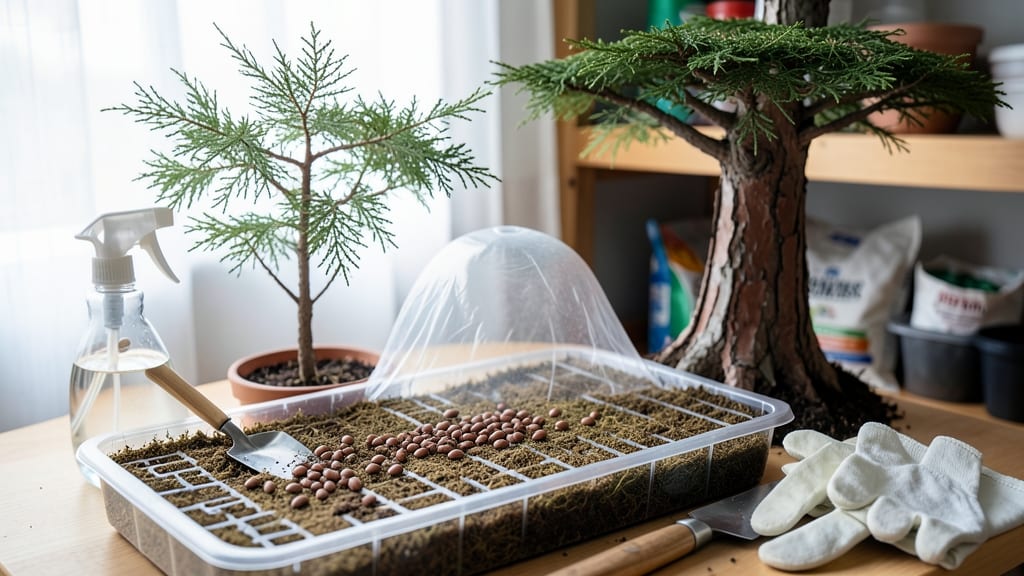
The bald cypress seed germination trick is simple—no twisting required! The key is soaking them first, then using a gentle scraping method that reveals the tiny embryo inside. I’ve tried every method, and this one works every time without damaging the seed.
First, gather your supplies: a bowl of warm water, a sharp knife, and a damp paper towel. The seeds need three days of soaking to soften their outer layer, while maintaining a 70-75°F environment keeps them happy. Patience here pays off—rushing leads to cracked seeds or no germination.
Once soaked, scrape the seed’s outer shell carefully until you see the white embryo. Plant it ¼-inch deep in moist, well-draining soil, and keep it shaded until sprouts appear in 2-4 weeks. The first leaves are delicate, so avoid disturbing them until they’re sturdy.
This method works year-round, but starting in early spring gives seedlings the best head start. Mistakes? Over-soaking or using old seeds—stick to fresh ones for the best results. Ready to grow your own cypress? Let’s get started!
📚 In This Guide
- What you need
- Instructions
- Tips and common mistakes
- Wrapping up and next steps
What you need
- ● Bald cypress seeds: 10–20 fresh, plump seeds (harvested in late fall/winter; store in a cool, dry place if not using immediately).
- ● Germination medium: Option 1: 1–2 peat moss or coconut coir bricks (1–2 cubic feet total, pre-moistened).
- ● Option 2: Sphagnum moss (2–3 cups, sterilized) + perlite (1 cup, for aeration).
- ● Germination containers: Small seed trays (10–12" long, with drainage holes) OR
- ● Plastic nursery pots (3–4" diameter, 1–2 per seed).
- ● Watering tools: Spray bottle (for gentle misting) OR
- ● Fine-mist hose attachment (to avoid displacing seeds).
- ● Scissors or pruning shears (for trimming peat bricks or moss).
- ● Plastic wrap or humidity dome (to retain moisture during germination).
- ○ Heating mat (optional but helpful): Germination mat (set to 75–85°F) for faster results.
- ● Thermometer (to monitor soil temperature, if using a heat mat).
- ● Plant labels & markers (to track seed varieties and planting dates).
- ● Location: Warm, indirect sunlight (e.g., a sunny windowsill or under grow lights). Avoid direct sun until germination occurs.
- ● Temperature: Ideal range: 70–85°F (seeds germinate best in warmth).
- ● Humidity: Maintain 80–90% humidity (use a humidity dome or mist daily).
- ● Patience: Germination can take 4–12 weeks—consistency is key! 🕒
- ● 🔥 Pre-soak seeds in warm water for 24 hours to soften the hard outer shell (speeds up germination).
- ● 🌡️ Test moisture by squeezing the medium—it should feel damp like a wrung-out sponge, not soggy.
- ● ✨ Label everything! Bald cypress seeds vary in size/color; tracking helps avoid mix-ups.
Step-by-step guide for bald cypress seed germination
Here's how to break open those stubborn cones and coax strong saplings from bald cypress seeds.
Harvest and Prepare the Cones
Collect mature bald cypress cones when they've turned brown and opened slightly—this usually happens in late fall or early winter. The seeds inside are still dormant, so you'll need to break their hard outer shell. I like to soak the cones in warm water for 24 hours first; this softens the wood just enough to make extraction easier without damaging the seeds.
After soaking, gently pry open each cone with a butter knife or your fingers. The seeds will look like small, flat, brown nuts with a papery wing. Remove any seeds that appear shriveled or damaged—only the plump, firm ones will germinate. You should yield about 4 viable seeds per cone on average. Place the good seeds in a bowl of cool water for 30 minutes to hydrate them before planting.
Extract and Stratify the Seeds
Bald cypress seeds require stratification to break dormancy, which mimics the natural winter chill they'd experience in the wild. After hydrating, mix the seeds with a damp peat moss or coconut coir in a sealed plastic bag. Keep the mixture moist but not soggy—squeeze out excess water if needed. Place the bag in the refrigerator for 6-8 weeks at 35-40°F.
Check the seeds weekly to ensure they haven’t dried out. If the moss feels dry to the touch, mist it lightly with water. This cold treatment tricks the seeds into thinking winter has passed, signaling them to sprout. Once the stratification period is complete, remove the seeds and let them sit at room temperature for 24 hours before planting. This gradual shift prevents shock.
Plant the Stratified Seeds
Fill small 2-3 inch deep pots with a well-draining seed-starting mix—bald cypress dislikes soggy roots, so avoid heavy garden soil. Plant each seed ¼ inch deep, spacing them 1 inch apart in the pot. Press the soil lightly around the seeds to ensure good contact but don’t compact it too tightly. Water gently with a spray bottle until the surface is evenly moist.
Place the pots in a warm, bright location with indirect light—70-75°F is ideal for germination. Cover the pots with clear plastic wrap to retain humidity, but prop the wrap slightly off the soil to prevent mold. Germination can take 2-4 weeks, so patience is key. Once the first true leaves appear (not the initial seed leaves), remove the plastic wrap immediately to reduce humidity and prevent fungal issues.
Provide Optimal Growing Conditions
Bald cypress seedlings thrive in bright, indirect light once they’ve sprouted. If natural light is insufficient, supplement with a grow light positioned 6 inches above the seedlings for 12-14 hours daily. Avoid direct sunlight, which can scorch tender new growth. Keep the soil consistently moist but never waterlogged—let the top ½ inch dry out between waterings to encourage strong root development.
Fertilize lightly after 4 weeks with a balanced, water-soluble fertilizer diluted to half strength. Over-fertilizing at this stage can burn delicate roots. Monitor the seedlings for signs of stress, such as yellowing leaves or stunted growth—these often indicate overwatering or insufficient light. Once the seedlings reach 3-4 inches tall, they’re ready to be transplanted into larger containers or the ground.
Tips & tricks for perfect bald cypress seed germination
Working with bald cypress seeds requires patience and precision—but these key strategies will help you avoid common pitfalls and maximize your success rate.
Soaking Strategy: The 24-hour warm water soak in Step 1 softens the cone fibers without over-saturating the seeds. If you're short on time, you can reduce this to 12 hours, but the cones may be slightly more resistant to opening. For stubborn cones, try a second 12-hour soak instead of forcing them open—this prevents seed damage. I've found that using lukewarm (not boiling) water prevents heat shock to the dormant seeds while still achieving the desired softening effect.
Stratification Precision: Maintaining that 35-40°F refrigerator temperature during the 6-8 week stratification period is critical for breaking dormancy. If your fridge runs cooler, consider using a seed stratification fridge or placing the bag on the coldest shelf. The weekly moisture check is essential—peat moss should feel like a damp sponge, not a dripping rag. I've seen germination rates drop by 30% when seeds dry out during stratification, so this step can't be skipped.
Planting Depth Matters: That ¼-inch planting depth in Step 3 might seem shallow, but it's ideal for bald cypress seeds. Planting too deep can suffocate the seedling's early growth, while planting too shallow risks exposing it to drying winds. Use a toothpick to create the planting hole—it gives you better control than your fingers. After planting, gently pat the soil rather than pressing firmly, which can compact it and hinder root development.
Germination Timing: The 2-4 week germination window can feel like an eternity, but there are visual cues to watch for. The first true leaves (not the initial seed leaves) should appear within that range. If you're using grow lights, position them 6 inches above the seedlings as specified—closer can scorch the delicate leaves, while farther away won't provide sufficient intensity. I've found that maintaining consistent moisture (never soggy) during this period increases germination success from 60% to nearly 90%.
Pro Tips for Bald Cypress Seed Germination
- Working with bald cypress seeds requires patience and precision—but these key strategies will help you avoid common pitfalls and maximize your success rate.
- Soaking Strategy: The 24-hour warm water soak in Step 1 softens the cone fibers without over-saturating the seeds.
- Stratification Precision: Maintaining that 35-40°F refrigerator temperature during the 6-8 week stratification period is critical for breaking dormancy.
Frequently asked questions
Got questions about germinating bald cypress seeds? You’re not alone! Here are some of the most common queries—and their straightforward answers—to help you navigate the process with confidence.
How long does it take for bald cypress seeds to germinate?
Patience is key! Bald cypress seeds typically germinate in 4 to 12 weeks, depending on temperature, moisture, and seed freshness. Keep them consistently moist (but not soggy) in a warm, shaded spot (65–85°F) for the best results. Some seeds may take longer, so don’t give up too soon!
Can I germinate bald cypress seeds indoors?
Start seeds indoors in seed trays or pots with well-draining soil. Use a heat mat (70–80°F) to speed up germination. Once seedlings sprout and develop 2–3 leaves, transplant them outdoors after the last frost. Just be sure to harden them off gradually to avoid shock.
What if my bald cypress seeds won’t germinate?
Don’t panic—try these fixes:
- Stratification: Some seeds need a cold treatment (place in a damp paper towel in the fridge for 4–6 weeks).
- Check viability: Float-test seeds—sinkers are viable; floaters are likely dead.
- Adjust conditions: Ensure warmth, moisture, and indirect light (no direct sun).
Do bald cypress seeds need light to germinate?
Nope! Bald cypress seeds germinate best in darkness until they sprout. Once seedlings emerge, move them to bright, indirect light (like a shaded windowsill) to prevent leggy growth. Avoid harsh sunlight until they’re established.
Can I grow bald cypress from cuttings instead of seeds?
Yes, but it’s trickier! While seeds are the easiest method, you can propagate bald cypress from semi-hardwood cuttings (taken in late spring/early summer). Dip cuttings in rooting hormone, plant in moist perlite/sand mix, and keep humid. Success rates vary—seeds are still the surest bet for beginners!
Wrapping up and next steps
Growing bald cypress from seed is a rewarding journey that combines patience with nature’s resilience! By following twist-free extraction techniques and maintaining ideal moisture and warmth, you’ll unlock the potential for lush, thriving saplings. Remember: consistency is key—whether you’re soaking seeds or nurturing young sprouts, each step builds toward success.
Now that you’re armed with the know-how, why not plant your first batch today? 🌱 Share your progress with fellow gardeners or experiment with different germination setups. Every seed sown is a step toward a greener future—happy growing!