
Lawn
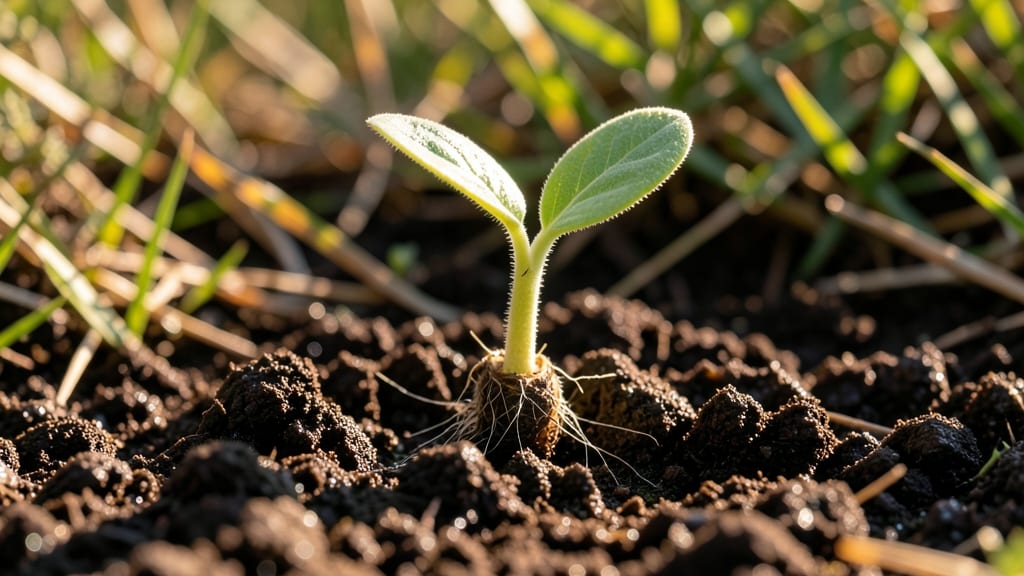
A seed in the sun transforms from dormant speck to vibrant life within weeks. 🌻 There's nothing quite like the quiet magic of watching a tiny seed push through soil, stretching toward warmth and light—it's the gardener's most hopeful moment.
This is the power of full-sun annuals, which don't just survive summer's intensity but thrive in it, bursting with color from June until frost.
The secret lies in matching plants to the sun's rhythm: place heat-lovers like zinnias and marigolds where they'll get 6+ hours of direct sunlight daily, while sun-tolerant herbs like rosemary and thyme can handle even hotter spots.
I've seen my sunflower seedlings go from wobbly stems to towering giants in just 8 weeks when given the right conditions—it's like watching nature's own time-lapse.
You'll end up with a garden that feels alive with movement—petals unfurling at midday, bees buzzing between blooms, and evenings filled with the sweet scent of evening-scented stocks.
The sun doesn't just grow plants; it grows joy, turning your outdoor space into a living canvas of color and texture that changes with each passing hour. Perfect for sunny patios, south-facing borders, or even container gardens on balconies. Let's bring that golden energy to your garden space!
📚 In This Guide
- What you need
- Instructions
- Tips and common mistakes
- Wrapping up and next steps
What you need
- ● Seeds: Choose from sun-loving annuals like Zinnias, Marigolds, Sunflowers, Cosmos, or Petunias (1–2 seed packets per variety). Opt for heirloom or disease-resistant varieties for longer blooms.
- ● Growing Containers or Garden Beds: Containers: 5–12 inch pots (1–2 per plant, with drainage holes). Use fabric grow bags (10–14 gallons) for larger varieties like sunflowers.
- ● Garden Beds: Well-draining soil with 6+ hours of direct sunlight per day.
- ● Potting Mix: Lightweight, well-draining mix (e.g., Miracle-Gro Potting Mix or cactus/succulent blend for drought-tolerant plants). 1–2 bags (1.5–2 cubic feet) per project.
- ● Fertilizer: Slow-release granules (e.g., Osmocote Smart-Release Plant Food, 10–12 lb bag).
- ● Liquid fertilizer (e.g., Miracle-Gro All Purpose, 1–2 gallons) for mid-season feeding.
- ● Watering Can or Hose: With a fine-mist nozzle for gentle watering.
- ● Gloves & Hand Trowel: For planting and soil prep.
- ● Mulch: Straw or shredded bark (1–2 bags) to retain moisture and deter weeds.
- ● Plant Stakes or Cages: For tall varieties like sunflowers (3–6 ft stakes).
- ● Epsom Salt: (1 lb) for magnesium boost in flowering plants.
- ● Garden Markers: Biodegradable or reusable labels to track varieties.
- ● Pruning Shears: For deadheading spent blooms (encourages more flowers!).
Step-by-step guide to planting sun-loving annuals for continuous blooms
Here's how to turn your sunniest spot into a nonstop floral show—no green thumb required.
🌱 Step 1: Choose Your Sun-Loving Stars
Pick annuals that thrive in 6+ hours of direct sun daily. My top performers are zinnias, marigolds, and cosmos—they bloom like crazy with minimal fuss. Check your local frost dates and aim to plant 2-4 weeks after the last frost when soil reaches 60°F.
I always buy seeds from reputable suppliers to ensure vigor. If starting from transplants, look for stocky, compact plants with bright green leaves—avoid leggy specimens that've been stretched for light. For 4 plants, you'll need about 10-12 seeds (they don't all germinate perfectly).
☀️ Step 2: Prep the Perfect Sunny Spot
Clear the area of weeds and loosen soil to a depth of 6-8 inches with a garden fork. Sun-lovers need well-draining soil, so amend with 2-3 inches of compost if your soil feels heavy or clay-like. I like to mix in a handful of slow-release fertilizer (10-10-10 works well) to give blooms a strong start.
Mark planting spots with small stakes or a garden hose outline. Space plants 8-12 inches apart for zinnias and marigolds, or 12-18 inches apart for cosmos—they spread as they grow. Here's the thing: if your soil drains poorly, raise beds by 4-6 inches to prevent root rot.
💧 Step 3: Plant and Water Deeply
Dig holes just deep enough to accommodate the roots without bending them. For seeds, plant ¼ inch deep—no deeper, or they won't germinate. Drop 2-3 seeds per hole (you'll thin later), then cover lightly with soil. Press gently to remove air pockets but don't pack it down.
Water immediately after planting to settle the soil and remove air gaps. Use a watering wand or gentle spray to avoid disturbing seeds. You'll know it's right when the soil looks damp but not glistening. Keep the area consistently moist (not soggy) until seedlings reach 2 inches tall—that's when you can ease up on watering.
✂️ Step 4: Deadhead and Feed for Nonstop Blooms
Once flowers start appearing, snip spent blooms with clean scissors every 3-4 days. This encourages new flowers to form and prevents seed production, which drains energy from the plant. I always deadhead in the morning when blooms are fully open—it gives them the whole day to recover.
Feed plants every 4-6 weeks with a balanced liquid fertilizer (like 20-20-20) during the growing season. You'll see a difference in 7-10 days: leaves darken, stems thicken, and flowers multiply. Mulch around plants with 1 inch of straw or shredded leaves to retain moisture and suppress weeds.
🌿 Step 5: Watch for Pests and Adjust Care
Sun-loving annuals attract aphids and spider mites, but marigolds naturally repel many pests. If you spot trouble, spray plants with a mix of 1 part water, 1 part rubbing alcohol, and a drop of dish soap—it's gentle but effective. I check plants every morning for signs of stress like yellowing leaves or chewed edges.
Adjust watering based on rainfall: 1 inch per week is ideal, but reduce to ½ inch if your area gets heavy rain. Overwatering is the #1 killer of sun-lovers—roots need air almost as much as water. If leaves start curling or wilting, it's a sign to cut back on moisture and check for proper drainage.
Tips & tricks for perfect sun-loving annuals
Here's what nobody tells you about keeping your sun-lovers blooming all season long.
Timing is Everything: Those 2-4 weeks after last frost are critical—plant too early and seedlings may get nipped by cold, too late and you miss peak blooming season. I check my local frost date online, then count backward to mark my planting window on the calendar. If you're in doubt, err on the later side for warm climates or use row covers for early starts.
Soil Prep Secrets: The 6-8 inch deep loosening isn't just about aeration—it's about creating a root-friendly environment. I use a garden fork to break up compacted layers, then mix in compost. For heavy clay soil, I create raised beds with 4-6 inches of elevation to prevent waterlogging. A simple soil test (available at garden centers) can tell you if your soil needs more compost or sand for better drainage.
Watering Wisdom: That 1 inch per week guideline includes rainfall—don't double up if it's been raining! I use a rain gauge to track precipitation and adjust my watering schedule. For new seedlings, I water gently with a spray nozzle to avoid disturbing the soil. Once they reach 2 inches tall, I switch to deep watering at the base to encourage strong root growth.
Deadheading Discipline: Those 3-4 day intervals for deadheading might seem frequent, but they're what keep your plants blooming continuously. I set a phone reminder for every Wednesday and Sunday to stay consistent. Use clean, sharp scissors and cut just above a leaf node to encourage new growth. The key is morning deadheading—it gives flowers the whole day to recover and opens up space for new buds.
Pro Tips for A Seed In The Sun
- Here's what nobody tells you about keeping your sun-lovers blooming all season long.
- Timing is Everything: Those 2-4 weeks after last frost are critical—plant too early and seedlings may get nipped by c...
- Soil Prep Secrets: The 6-8 inch deep loosening isn't just about aeration—it's about creating a root-friendly environm...
Frequently asked questions
Got questions about growing sun-loving annuals that bloom all summer? You’re not alone!
Here are some of the most common queries—and their answers—to help you cultivate a vibrant, sun-drenched garden without the guesswork.
Which sun-loving annuals are the easiest for beginners?
Start with Zinnias, Marigolds, or Cosmos—they’re tough, drought-tolerant, and thrive in full sun. Petunias and Geraniums are also forgiving but may need occasional deadheading to keep blooming. Pro tip: Check seed packets for "heat-tolerant" or "long-blooming" labels for extra reliability!
How long does it take for seeds to sprout and bloom?
Germination time varies: Marigolds sprout in 5–10 days, while Zinnias take 7–14 days. Blooms arrive in 6–10 weeks from seed, but Petunias (often sold as transplants) may flower in just 8–12 weeks after planting. Warm soil (60–85°F) speeds things up—soak seeds before planting if your spring is chilly!
Do these plants need extra watering in the heat?
Most sun-loving annuals are drought-resistant once established, but water deeply 2–3 times per week during the first few weeks. Water at the base (not overhead) to prevent fungal issues. Mulch with straw or pebbles to retain moisture. Petunias and Impatiens (shade-tolerant but often confused with sun-lovers) may wilt faster—adjust based on your microclimate!
What should I do if my plants stop blooming?
Deadhead (snip spent blooms) regularly to encourage nonstop flowers! Overripe seed pods or leggy stems signal it’s time to trim. For Zinnias or Cosmos, cut back by ⅓ to prompt bushier growth. If blooms fade fast, check for underwatering or nutrient deficiency—feed with a balanced fertilizer every 4–6 weeks.
Can I grow these in containers or just in-ground?
Petunias, Geraniums, and Marigolds thrive in pots (5+ gallon containers for multiple plants). Use well-draining soil and place containers in 6+ hours of direct sun. For extra blooms, rotate containers weekly to ensure even sun exposure—plants lean toward light!
Wrapping up and next steps
A seed in the sun isn’t just a dream—it’s a vibrant reality waiting to unfold in your garden! 🌻 From sun-kissed zinnias to cheerful marigolds, these annuals promise a summer of nonstop color and joy. With the right soil, sunlight, and care, you’ll turn your outdoor space into a blooming paradise that keeps giving all season.
Ready to dive in? Start small—plant a single seedling or a handful of favorites—then watch your garden transform! Grab your gardening gloves, soak up the sun, and let nature’s magic do the rest. Your future summer blooms are just one seed away.