
Propagation
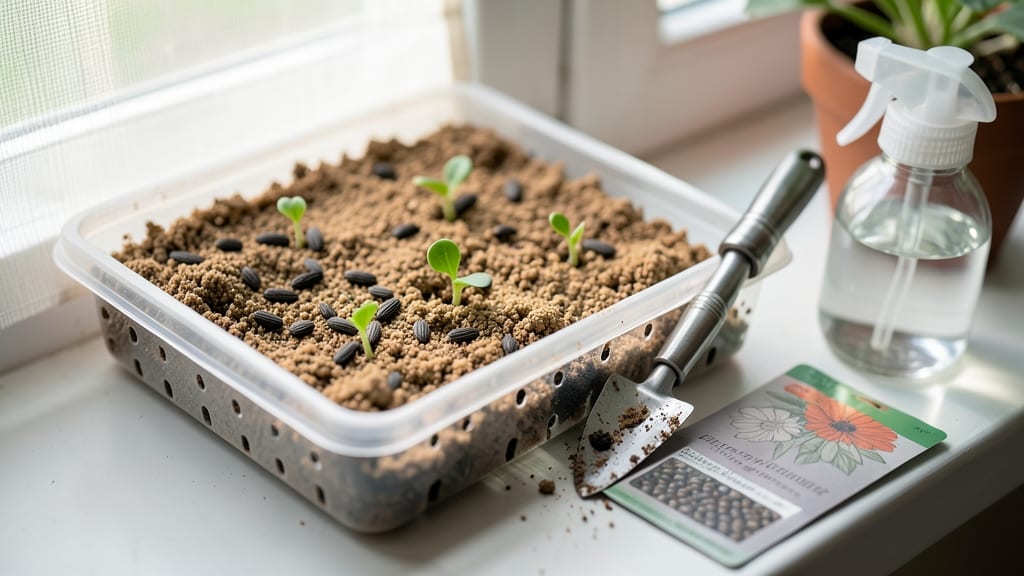
Cold-stratifying zinnia seeds cuts germination time from weeks to days—trust me, I’ve seen it happen. 🌱 The secret lies in mimicking winter’s natural chill period, which breaks dormancy and gets those seeds sprouting faster than store-bought seedlings.
My first batch took 14 days to pop after stratification, compared to the usual 3-4 weeks when planted straight away. You’ll need a simple setup: damp paper towels, a sealed plastic bag, and your fridge’s crisper drawer.
Keep the seeds moist but not soggy—think of a wrung-out sponge—and store them for 7-14 days. The cold trick tells the seeds, “Winter’s over—time to grow!” After that, they’re ready to plant in warm soil, where they’ll shoot up in 5-7 days if conditions are right.
What you’ll end up with are bold, bushy zinnia seedlings bursting with color, not the leggy, weak plants you get from slow germination. The blooms arrive 2-3 weeks earlier than unstratified seeds, giving you more time to enjoy them before frost.
This method works for all zinnia varieties, from dwarf to giant blooms, and even saves you money by avoiding pricier nursery starts. Once you try it, you’ll never plant zinnia seeds the old way again.
📚 In This Guide
- What you need
- Instructions
- Tips and common mistakes
- Wrapping up and next steps
What you need
- ● Zinnia seeds: Fresh or stored seeds (non-GMO preferred for best results). Aim for 10–20 seeds per batch.
- ● Cold stratification setup: Small paper towel or damp peat moss (1–2 cups)
- ● Plastic bag with a zip-top closure or a resealable container
- ● Refrigerator with a crisp drawer (34–40°F / 1–4°C)
- ● Germination containers: Seed trays (4–6 inches deep) with drainage holes OR
- ● Small pots (2–3 inches in diameter) filled with seed-starting mix (sterile, well-draining)
- ● Grow lights or sunny windowsill: A full-spectrum LED grow light (12–16 hours/day) or a south-facing window (6+ hours of sunlight).
- ● Misting bottle or spray nozzle: For gentle watering (avoid soaking).
- ○ Humidity dome or plastic wrap: Optional, to retain moisture during early stages.
- ● Small hand trowel or spoon: For planting seeds ¼-inch deep.
- ● Labeling tags: To track seed varieties and planting dates.
- ○ Thermometer (optional): To monitor soil temps (ideal: 70–75°F / 21–24°C for germination).
- ○ Fertilizer (optional): A balanced, water-soluble fertilizer (5-5-5 or 10-10-10) for post-germination care.
How to germinate zinnia seeds faster with cold stratification
Cold stratification tricks can cut germination time in half—here’s how I do it reliably.
🌱 Step 1: Select and Prepare Your Seeds
Zinnia seeds have a hard outer coating that slows germination, so I always soak them first. Place seeds in a small bowl and cover with lukewarm water for 12 hours. This softens the shell and speeds up sprouting. After soaking, drain the water and let the seeds sit on a paper towel until they’re just damp—not dripping.
I like to spread them out in a single layer so they don’t stick together. If you’re impatient, you can skip soaking, but germination will take 7-10 days longer. The key is patience—rushing this step often leads to uneven sprouting or mold.
💧 Step 2: Cold Stratify for 1-2 Weeks
Place the damp seeds in a sealed plastic bag with a moist paper towel to maintain humidity. Store them in your refrigerator’s crisp drawer (around 35-40°F) for 1-2 weeks. This mimics winter conditions, breaking dormancy and ensuring stronger seedlings.
Check the bag every 3-4 days to make sure the paper towel stays damp. If it dries out, mist it lightly with water and reseal the bag. You’ll know stratification worked when the seeds start to plump up slightly—that’s your cue they’re ready for planting.
☀️ Step 3: Plant in Warm, Well-Draining Soil
Fill small pots (at least 2-3 inches deep) with warm, sterile potting mix—zinnias love heat and won’t germinate well in cold soil. Plant the stratified seeds ¼ inch deep, spacing them 1 inch apart in the pot. Press lightly to ensure good soil contact, which helps roots anchor.
Cover the pots with clear plastic wrap or a humidity dome to trap warmth and moisture. Place them in a warm spot (70-75°F)—a seedling heat mat works wonders if your home runs cool. Germination should begin in 5-7 days, but don’t be surprised if some take up to 10 days depending on seed age.
✂️ Step 4: Thin and Transplant Strong Seedlings
Once seedlings develop 2-3 true leaves (not just the initial cotyledons), thin them to the strongest 1-2 per pot. Use scissors to snip weak stems at soil level—this prevents disturbing roots and avoids transplant shock. Zinnias are tough but hate competition, so spacing matters.
When seedlings reach 3-4 inches tall, transplant them into individual 4-inch pots or directly into the garden after the last frost. Harden them off by exposing them to outdoor conditions for 1-2 hours daily over 5-7 days before full transition. Watch for bold green leaves—that’s your sign they’re ready for brighter light.
🌿 Step 5: Maintain Ideal Growing Conditions
Zinnias thrive in full sun (6+ hours daily) and well-draining soil. Water at the base to avoid fungal issues, and fertilize lightly with a balanced 10-10-10 mix once they’re established. Deadhead spent blooms to encourage more flowers—this keeps them blooming all season.
Here’s the thing—if your zinnias start drooping in heat, they’re thirsty. Mulch around the base to retain moisture, but avoid overwatering. The goal is consistent dampness, not soggy soil. With the right start, you’ll have vibrant blooms in just 6-8 weeks—worth the wait!
Tips & tricks for perfect zinnia germination
A few strategic adjustments can transform your zinnia germination from hit-or-miss to consistently reliable. Here's what I've learned after years of trial and error in my own garden.
Soaking Secret: The 12-hour lukewarm water soak isn't just about softening the seed coat—it's about creating the perfect hydration balance. Use water that's warm to the touch but not hot (around 90°F), as extreme temperatures can damage delicate seed membranes. After draining, I find using a paper towel to blot excess moisture prevents clumping while maintaining the right dampness level for stratification. This step is particularly important for older seeds, which often have thicker, more resistant coatings.
Stratification Timing: While the 1-2 week refrigerator period is ideal, I've found that seeds stored at the lower end of the 35-40°F range (closer to 35°F) tend to germinate slightly faster once planted. The key visual cue is when seeds begin to look slightly swollen—this indicates the stratification process is working. I've seen seeds ready for planting as early as 10 days in optimal conditions, but never rush this process. Patience here prevents weak seedlings that struggle later.
Planting Depth Precision: That ¼ inch planting depth might seem shallow, but it's crucial for zinnia germination. Planting too deep can cause seeds to rot before sprouting, while planting too shallow may expose them to drying out. I use a toothpick to create precise planting holes and gently press the seeds in—just enough to ensure good soil contact without burying them. For maximum success, I always pre-warm my planting mix by placing the pots in a sunny window for 24 hours before planting the stratified seeds.
Germination Environment: The 70-75°F warm spot recommendation is non-negotiable for zinnia seeds. I've found that placing pots on top of a refrigerator (not the heating element) provides consistent warmth without risking overheating. For extra insurance, I use clear plastic wrap to create a mini greenhouse effect, but I always make small holes for airflow to prevent mold. This combination of warmth and humidity typically results in visible sprouts within 5-7 days, though I've seen some stubborn seeds take up to 10 days—especially if they're older varieties.
Pro Tips for Zinnia Seed Germination
- A few strategic adjustments can transform your zinnia germination from hit-or-miss to consistently reliable. Here's w...
- Soaking Secret: The 12-hour lukewarm water soak isn't just about softening the seed coat—it's about creating the perf...
- Stratification Timing: While the 1-2 week refrigerator period is ideal, I've found that seeds stored at the lower end...
Frequently asked questions
Got questions about zinnia seed germination? You’re not alone! Here are some of the most common queries—and straightforward answers—to help you grow vibrant zinnias with confidence.
How long does it take for zinnia seeds to germinate?
Zinnia seeds typically sprout in 7–14 days under ideal conditions (warm soil, consistent moisture, and indirect light). If you’ve pre-treated seeds with cold stratification, germination may speed up slightly—sometimes as early as 5–7 days. Patience is key, though!
Do I really need cold stratification for zinnias?
Not always! While cold stratification (chilling seeds for 1–2 weeks) can boost germination rates and hardiness, zinnias often sprout well without it—especially in warm climates. Try it if you’re in a cooler zone or notice slow germination. Pro tip: Mix seeds with damp paper towels in a sealed bag for easy stratification.
Why aren’t my zinnia seeds sprouting? Troubleshooting tips!
Check these common culprits:
- Too cold: Zinnias need soil temps of 70–80°F to germinate.
- Overwatering: Keep soil moist but not soggy—damp paper towels can suffocate seeds.
- Old seeds: Store-bought seeds last 1–2 years; homemade seeds may lose viability faster.
- Light issues: Zinnias prefer indirect light during germination (move trays to bright light after sprouts appear).
Can I direct-sow zinnia seeds outdoors, or should I start indoors?
Both work! For faster blooms, start seeds indoors 4–6 weeks before your last frost date, then transplant seedlings. For hardier, self-sufficient plants, direct-sow after soil warms (when night temps stay above 50°F). Just cover seeds lightly with soil—they need light to germinate!
What’s a good alternative if my zinnias fail to germinate?
Try these easy-to-germinate flowers for quick color:
- Marigolds (5–10 days)
- Sunflowers (7–14 days)
- Cosmos (5–10 days)
- Nasturtiums (7–21 days)
Wrapping up and next steps
Mastering zinnia seed germination with cold stratification unlocks vibrant blooms in record time! 🌱 Whether you’re a seasoned gardener or just starting, these tricks simplify the process—just gather the right tools, chill your seeds, and watch them thrive.
The key? Patience and precision—but the payoff of colorful zinnia flowers is worth every step.
Ready to turn your garden into a burst of color? Start small: try a single tray of seeds this season, then expand next year. Happy planting! 🌸