
Lawn
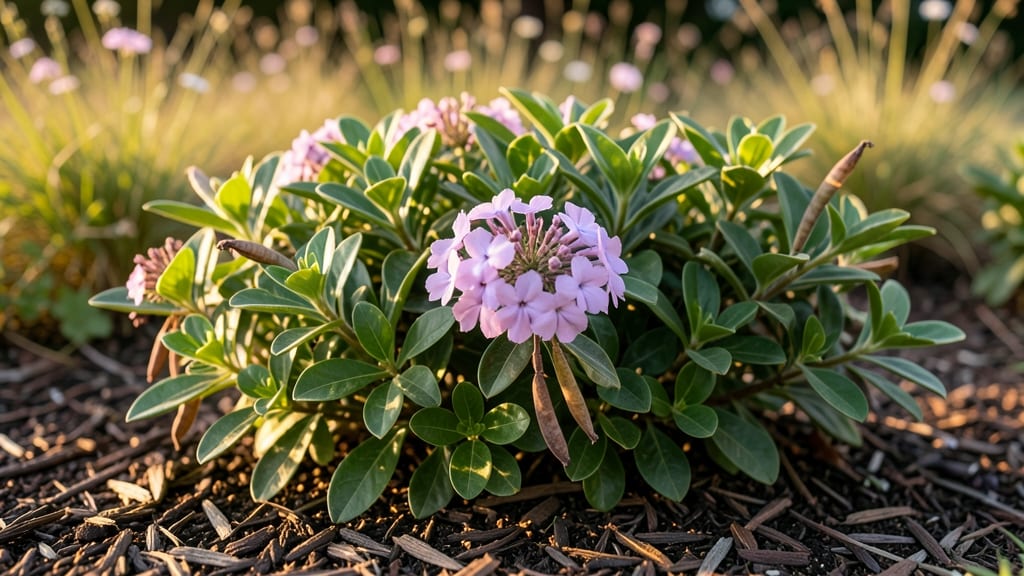
Harvesting vinca seed pods before they twist open saves you from losing those tiny black treasures to the wind. 🌿 I learned the hard way—when I waited too long, my seed collection vanished overnight.
The key is timing and technique, and I’ll show you exactly how to do it without the mess. You’ll need sharp scissors, a paper bag, and a sunny day when pods are plump but still closed.
Vinca seeds are notoriously slow to germinate, but with the right storage, you can break that cycle. The secret? Dry them properly and store them in a cool, dark place—this boosts viability from near-zero to a realistic 30-50%.
Once you crack the code, you’ll have a steady supply of seedlings for ground cover that chokes out weeds like nothing else. The first year is the hardest, but after that, you’ll have vinca everywhere you want it—no more buying expensive nursery plants.
For those impatient with slow germination, I’ll also share why cuttings might be your better bet. Either way, you’ll end up with vinca that spreads faster than you can say "invasive" (in the good way). Let’s get those seeds!
📚 In This Guide
- What you need
- Instructions
- Tips and common mistakes
- Wrapping up and next steps
What you need
- ● Mature vinca plants: Choose healthy, well-established plants (e.g., Catharanthus roseus or Vinca minor) with fully developed seed pods (typically green turning brown). Aim for at least 3–5 plants for a decent yield.
- ● Sharp pruning shears or small scissors: Bypass pruners (sterilized) work best to avoid crushing pods. 1 pair is sufficient.
- ● Paper bags or brown lunch bags: 3–5 medium-sized bags (1 per plant) to collect pods and prevent seed loss.
- ● Newspaper or cardboard: A large sheet for drying pods indoors (low-light, well-ventilated area).
- ● Small bowl or tray: For sorting seeds post-drying. 1–2 shallow containers (8"–10" diameter).
- ● Fine-mesh strainer or sieve: 1–2 (with holes 1/8" or smaller) to separate seeds from chaff.
- ● Air-tight seed storage container: 1–2 (e.g., glass jars with lids or paper envelopes) to preserve viability (label with date!).
- ○ Gloves: Nitrile or cotton to protect hands from sap (optional but recommended).
- ● Magnifying glass: For inspecting seed quality (especially for tiny vinca seeds).
- ● Hair dryer (cool setting): To speed up drying if pods are damp.
- ● Humidity pack: Silica gel packets (1–2) for long-term seed storage.
- ● Notebook & pen: To track harvest dates and seed viability notes.
How to harvest vinca seed pods without twisting or damaging them
Here's my foolproof method for collecting vinca seeds without ruining the pods or wasting your time.
🌿 Step 1: Identify and Wait for Fully Mature Pods
Vinca seed pods start green and firm, but they won't open until they're completely dry and brown. Wait until the pods turn a uniform tan or light brown color—this usually happens in late summer to early fall, depending on your climate. Gently squeeze a pod between your fingers. If it feels papery and crumbly (not leathery), it's ready for harvesting.
Don't rush this step—I've learned the hard way that green pods won't yield viable seeds, and forcing them will only damage the plant. Harvest on a dry, sunny morning when dew has evaporated. This ensures the pods are at their driest and easiest to handle.
✂️ Step 2: Cut Pods Cleanly Without Twisting
Use clean, sharp pruning shears to snip the pods from the stem, leaving about ½ inch of stem attached. This prevents the plant from tearing and ensures you get the entire pod. Hold the pod gently but firmly between your thumb and forefinger—never twist or pull, as this can cause the pod to split prematurely and scatter seeds everywhere.
Place the cut pods in a paper bag (not plastic—plastic traps moisture and can cause mold). Label the bag with the vinca variety and harvest date. If you're harvesting multiple varieties, use separate bags to avoid cross-contamination.
🪴 Step 3: Dry and Store Pods Properly
Spread the harvested pods in a single layer on a clean, dry towel in a well-ventilated area out of direct sunlight. Let them dry for 3-5 days, flipping them occasionally to ensure even drying. The pods are fully dry when they feel light and brittle—you should be able to shake them and hear seeds rattling inside.
Once dry, transfer the pods to a sealed container (like a small glass jar) and store them in a cool, dark place (like a pantry or basement). Properly stored, vinca seeds remain viable for 2-3 years, though germination rates drop after the first year.
🌱 Step 4: Extract Seeds and Prepare for Planting
When you're ready to plant, gently crush each dried pod between your fingers over a clean sheet of white paper (the contrast makes seeds easy to spot). The seeds will pop out—vinca seeds are small and black or dark brown, about the size of a pinhead. Collect them with a fine brush or tweezers, being careful not to include any pod debris.
Sow the seeds immediately or store them in a small envelope in the freezer for up to 6 months. Vinca seeds have a hard outer coating, so I recommend stratifying them (placing them in the fridge for 4-6 weeks) to improve germination rates. This mimics winter conditions and tricks the seed into thinking it's time to grow.
⏰ Step 5: Plant Seeds at the Right Time
Sow vinca seeds outdoors in early spring (after the last frost) or indoors 8-10 weeks before your last frost date. Press them lightly into moist, well-draining soil—they don’t need to be buried deeply. Vinca seeds germinate best in warm soil (65-75°F), so consider using a seedling heat mat if starting indoors.
Keep the soil consistently moist (not soggy) and expect germination in 2-4 weeks. Once seedlings appear, thin them to 6-8 inches apart to give each plant room to grow. Vinca is tough once established, but young plants need protection from harsh weather and competition.
Tips & tricks for perfect vinca seed pod harvesting
These simple strategies will help you collect vinca seeds efficiently without damaging the pods or wasting your time.
Pod Maturity Test: In Step 1, when checking pod readiness, look for a color shift from green to uniform tan or light brown. The crumble test is key—squeeze gently between your fingers. If it feels papery and crumbles easily (not leathery), that's your cue to harvest. I've found that harvesting at this stage ensures maximum seed viability, while green pods yield little to no seeds.
Equipment Matters: For Step 2, invest in a pair of clean, sharp pruning shears—dull blades can crush pods or tear stems. I recommend sterilizing your shears with rubbing alcohol between harvests to prevent cross-contamination. When cutting, leave that ½ inch of stem attached to protect the plant and ensure you capture the entire pod. This small detail prevents seed loss and plant damage.
Drying Strategy: During Step 3's drying process, avoid direct sunlight—it can cause pods to overheat and crack prematurely. Instead, place them in a well-ventilated area where they can dry evenly. I like to flip the pods every 24 hours to ensure consistent drying. Once fully dry, you'll hear seeds rattling inside when shaken—a sure sign they're ready for storage.
Seed Extraction Hack: For Step 4, use a white sheet of paper as your work surface—it creates stark contrast that makes those tiny black or dark brown seeds pop out instantly. A fine brush comes in handy for collecting seeds without including pod debris. This method saves time and ensures you don't miss any seeds during extraction.
Pro Tips for Vinca Seed Pods
- These simple strategies will help you collect vinca seeds efficiently without damaging the pods or wasting your time.
- Pod Maturity Test: In Step 1, when checking pod readiness, look for a color shift from green to uniform tan or light ...
- Equipment Matters: For Step 2, invest in a pair of clean, sharp pruning shears—dull blades can crush pods or tear ste...
Frequently asked questions
Got questions about harvesting and working with vinca seed pods? You’re not alone! Here are some of the most common queries—and their answers—to help you navigate the process like a pro.
When do vinca seed pods ripen and turn brown?
Vinca seed pods typically ripen in late summer to early fall (August–October in most climates). They start green, then turn brown and papery when fully mature. Pro tip: Gently twist the pods—if seeds pop out easily, they’re ready for harvest!
Why won’t my vinca seed pods open on their own?
Some vinca varieties (like Vinca minor) have stubborn seed pods that refuse to split naturally. If pods stay closed, try drying them indoors in a paper bag for 1–2 weeks. Alternatively, snip them open with clean scissors—just avoid crushing the seeds inside!
Can I collect vinca seeds without harming the plant?
Harvest pods from healthy, mature plants (avoid over-pruned or diseased ones). Cut pods with sharp scissors, leaving the rest of the plant intact. Bonus: Collect seeds on a dry day to prevent mold.
How do I store vinca seeds for planting later?
Store seeds in a cool, dry place (like a sealed envelope or jar) for up to 2 years. For best germination, stratify them in the fridge for 4–6 weeks before planting. Warning: Avoid moisture—damp seeds spoil quickly!
What if my vinca seeds don’t germinate?
Vinca seeds can be finicky! Try light exposure (they need it to sprout) and consistent moisture (keep soil damp, not soggy). If seeds stay dormant, they may need more time—some take 2–4 weeks to crack open. Last resort: Soak seeds in warm water for 24 hours to soften the shell.
Wrapping up and next steps
Vinca seed pods may seem tricky, but with the right tools and techniques, harvesting and extracting viable seeds is totally doable—even for beginners! 🌱 Whether you're saving seeds for propagation or simply admiring their unique structure, patience and precision pay off.
Now that you’re armed with tips on when to harvest, how to twist-free open pods, and what to do with the seeds, why not give it a try?
Ready to take the next step? Grab your gloves, find a sunny spot in your garden, and start experimenting with vinca seed pods today! Share your progress or ask questions in the comments—we’d love to hear from you!