
Orchid Care
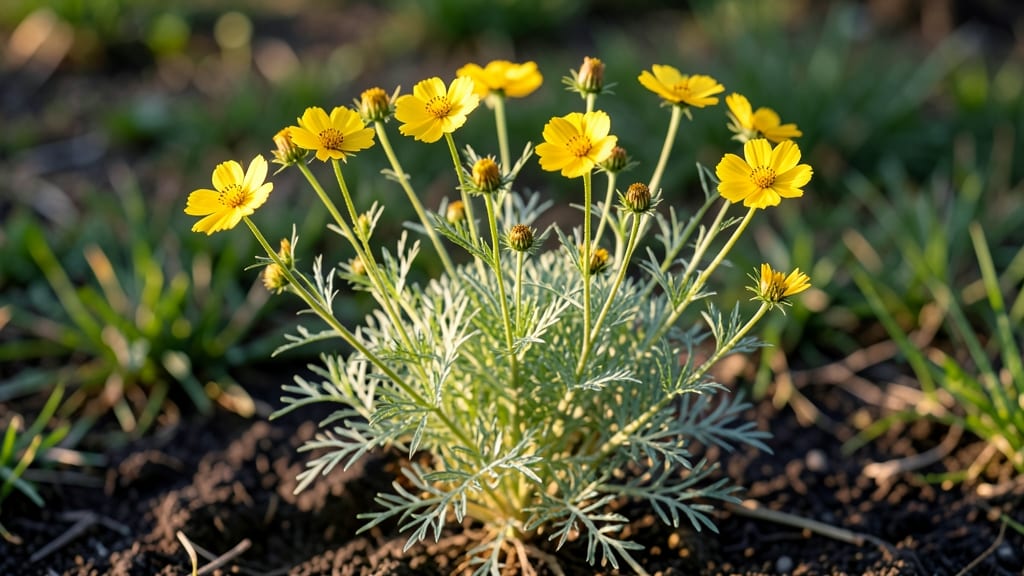
Tickseed coreopsis care is almost effortless—just give it sun, soil, and space to shine. 🌻 I’ve grown it in everything from dry slopes to container pots, and it always delivers bold blooms that last from summer through fall. The secret isn’t fancy care; it’s letting nature take over once you set it up right. This plant loves well-draining soil (even sandy or rocky) and full sun, but it’s surprisingly flexible. Water it once a week in summer, less in winter—it’s built for drought. Deadhead spent blooms to keep flowers coming, and you’ll have nonstop color with almost no work. What makes it a standout? Zero fuss, maximum impact. It repels deer, attracts pollinators, and even tolerates heat waves. Once established, it spreads gently, filling gaps without taking over. For advanced gardeners, try cutting it back in early spring for bushier growth. Beginners can just plant and forget—it’ll still shine. Here’s how to make it thrive in your space!
📚 In This Guide
- What you need
- Instructions
- Tips and common mistakes
- Wrapping up and next steps
What you need
- ● Tickseed Coreopsis seeds or plants: Choose from varieties like Coreopsis verticillata or Coreopsis tinctoria. Start with 5–10 seeds for a small patch or 1–2 nursery-grown plants for instant color.
- ● Well-draining potting mix: A blend of 60% garden soil, 30% perlite or coarse sand, and 10% compost (or use a pre-mixed cactus/succulent mix for containers).
- ● Containers or garden bed: For containers: Use pots with drainage holes, at least 6–8 inches deep and 12+ inches wide per plant.
- ● For in-ground planting: Select a spot with full sun (6+ hours/day) and loamy, slightly rocky soil.
- ● Watering can or hose with a gentle spray nozzle: Coreopsis hates soggy roots—avoid overhead watering to prevent fungal issues.
- ○ Fertilizer (optional but helpful): Slow-release granular fertilizer (e.g., 10-10-10 or 5-10-5) applied once in early spring.
- ● Balanced liquid fertilizer (e.g., fish emulsion or seaweed extract) diluted to half-strength for mid-season feeding.
- ● Garden trowel or hand shovel: For transplanting or dividing clumps.
- ● Pruning shears: Sharp, bypass-style shears for deadheading and shaping.
- ○ Gloves (optional): Coreopsis has fine, wiry stems—gloves help if you’re sensitive to prickly foliage.
- ○ Mulch (optional): 2–3 inches of organic mulch (e.g., straw or shredded bark) to retain moisture and suppress weeds.
- ○ pH testing kit (optional): Ideal soil pH for Coreopsis is 6.0–7.0; adjust with lime (to raise pH) or sulfur (to lower pH) if needed.
- ● Sunlight: Minimum 6 hours of direct sun per day—more is better for vibrant blooms!
- ● Drought tolerance: Once established, Coreopsis thrives with minimal watering (water 1–2 times per week in dry spells).
- ● Cold hardiness: Most varieties handle USDA Zones 3–9; protect young plants from late frosts.
Step-by-Step guide to growing thriving tickseed coreopsis
Here’s how to coax vibrant, long-lasting blooms from this sun-loving perennial with just a few key steps.
☀️ Step 1: Choose the Perfect Sunny Spot
Tickseed coreopsis demands full sun—at least 6-8 hours daily—to produce its signature cheerful blooms. I always scout locations where other sun-lovers thrive first, then test with a simple trick: hold a ruler vertically at noon. If the shadow is shorter than 6 inches, the spot has enough light.
Poor light leads to leggy stems and sparse flowers, but don’t worry if your yard lacks perfect sun. Coreopsis tolerates partial shade (4-6 hours of sun) better than most perennials, though blooms will be fewer. Amend heavy clay soil with 2-3 inches of compost to improve drainage—this plant hates soggy roots.
🌱 Step 2: Plant at the Right Time and Depth
Spring or early fall planting gives coreopsis time to establish roots before summer heat. Dig holes twice as wide as the root ball but only as deep—planting too deep suffocates the crown. Gently tease apart roots if they’re circling in the container, then place the plant so the top of the root ball sits just below soil level.
Backfill with native soil mixed with compost or aged manure for a nutrient boost. Water deeply to settle the soil, then add a 1-inch layer of mulch (like shredded bark) to retain moisture and suppress weeds. Avoid fresh mulch—it can smother young plants.
💧 Step 3: Water Deeply but Sparingly
Coreopsis thrives on neglect once established, but young plants need consistent moisture. Water 1-2 inches per week, aiming for the soil—not the foliage—to prevent fungal diseases. You’ll know it’s right when the top 2 inches of soil feel dry to the touch.
Overwatering is the biggest mistake—these plants are drought-tolerant once mature. After the first year, reduce watering to once every 10-14 days unless your area experiences extreme heat. Yellowing leaves usually mean overwatering, while crispy edges signal thirst.
✂️ Step 4: Deadhead and Prune for Continuous Blooms
Pinch off spent blooms weekly to encourage more flowers—this plant rewards regular attention. Use clean pruners or your fingers to remove faded flowers at the base of the stem. I do this in the morning when dew is present; the stems are easier to grip and less likely to snap.
After the first flush of blooms (usually mid-summer), cut back stems by one-third to promote a second round of flowers. Avoid heavy pruning in fall—coreopsis needs foliage to store energy for next year’s growth. If stems look leggy, trim back to 6-8 inches tall in early spring before new growth appears.
🌿 Step 5: Fertilize Lightly for Long-Term Health
Coreopsis doesn’t need much fertilizer—too much leads to weak stems and fewer blooms. In early spring, scatter ½ cup of 10-10-10 fertilizer around the base and water it in. Repeat once more in mid-summer if your soil is particularly poor. Organic options like fish emulsion or compost tea work too.
I skip fertilizer entirely in the second year unless the plant looks stressed. A soil test can tell you if your coreopsis needs phosphorus for blooms or potassium for root strength. Most healthy plants thrive with just compost worked into the soil annually.
Tips & tricks for perfect tickseed coreopsis growth
Between us, these little details separate a struggling patch of coreopsis from one that blooms like crazy all season.
Sunlight Strategy: The 6-8 hours of daily sun in Step 1 is non-negotiable for peak blooms, but here's the thing: morning sun is more important than afternoon. I've noticed my plants handle afternoon heat better when positioned to catch the cooler morning light first. If you're in a hot climate, consider providing afternoon shade during peak summer months to prevent leaf scorch while still getting those essential sun hours.
Planting Depth Secret: When planting, that "just below soil level" guideline in Step 2 is critical—any deeper and you'll suffocate the crown. I've learned this the hard way after seeing plants struggle with crown rot from being buried too deep. For container growing, use a pot with drainage holes and ensure the root ball sits at the exact same level as it did in its nursery container. This prevents water pooling around the crown.
Watering Wisdom: The 1-2 inches per week guideline in Step 3 works perfectly in most climates, but here's what nobody tells you: water in the early morning rather than evening. This prevents fungal diseases from settling on damp foliage overnight. I set a timer for 6 AM watering and have seen dramatically fewer issues with powdery mildew since switching to this routine. Also, always water at the base—never overhead—to keep those cheerful blooms dry.
Pruning Precision: That weekly deadheading in Step 4 is your secret weapon for continuous blooms, but timing matters. I've found the best results come from deadheading right after the first bloom opens but before it fully fades. This encourages the plant to redirect its energy into producing new buds rather than setting seed. For the mid-summer pruning back by one-third, I use clean, sharp pruners and make cuts just above a leaf node to promote bushier growth.
Pro Tips for Tickseed Coreopsis Care
- Between us, these little details separate a struggling patch of coreopsis from one that blooms like crazy all season.
- Sunlight Strategy: The 6-8 hours of daily sun in Step 1 is non-negotiable for peak blooms, but here's the thing: morn...
- Planting Depth Secret: When planting, that "just below soil level" guideline in Step 2 is critical—any deeper and you...
Frequently asked questions
Got questions about keeping your tickseed coreopsis happy and blooming? You’re not alone! Here are answers to the most common queries from gardeners just like you.
How often should I water tickseed coreopsis?
These drought-tolerant stars thrive on infrequent but deep watering. Water when the top 1-2 inches of soil feel dry—usually every 1-2 weeks, depending on your climate. Overwatering is their biggest enemy, so let the soil dry out between sessions. Pro tip: Mulch around the base to retain moisture and reduce weeds!
When is the best time to plant tickseed coreopsis?
Plant in early spring or fall for optimal root establishment. Avoid extreme heat or frost, which can stress young plants. If transplanting, space them 12-18 inches apart in well-draining soil. Bonus: They self-seed easily, so you might spot volunteers popping up next season!
What pests or diseases should I watch for?
Tickseed coreopsis is generally pest-resistant, but keep an eye out for aphids or Japanese beetles. If spotted, blast them off with water or use neem oil. Fungal issues like powdery mildew can occur in humid conditions—ensure good airflow and avoid overhead watering. Prevention: Deadhead spent blooms to encourage new growth!
Can I grow tickseed coreopsis in containers?
Choose a container at least 12 inches deep with drainage holes. Use a well-draining potting mix and place in full sun. Container-grown coreopsis may need slightly more frequent watering than in-ground plants. Fun fact: They’re perfect for balconies or patios—just keep them near a sunny spot!
Why isn’t my tickseed coreopsis blooming?
Blooms may lag due to poor sunlight, over-fertilizing, or crowded roots. Ensure it gets 6+ hours of direct sun daily and avoid heavy fertilizer—these plants prefer lean soil. If overcrowded, divide clumps every 2-3 years to refresh growth. Patience pays off: They often bloom in late spring/early summer!
Wrapping up and next steps
Caring for tickseed coreopsis is a breeze—just a sprinkle of sunlight, well-draining soil, and a little patience, and you’ll be rewarded with stunning, long-lasting blooms that brighten any garden! 🌻 Whether you’re a seasoned gardener or just starting out, these hardy perennials thrive with minimal fuss, making them the perfect addition to your outdoor space.
Ready to watch your garden flourish? Grab your gardening gloves, pick your favorite variety, and plant one (or a dozen!) today. Your future self—and your pollinators—will thank you! 🐝✨