
Planting
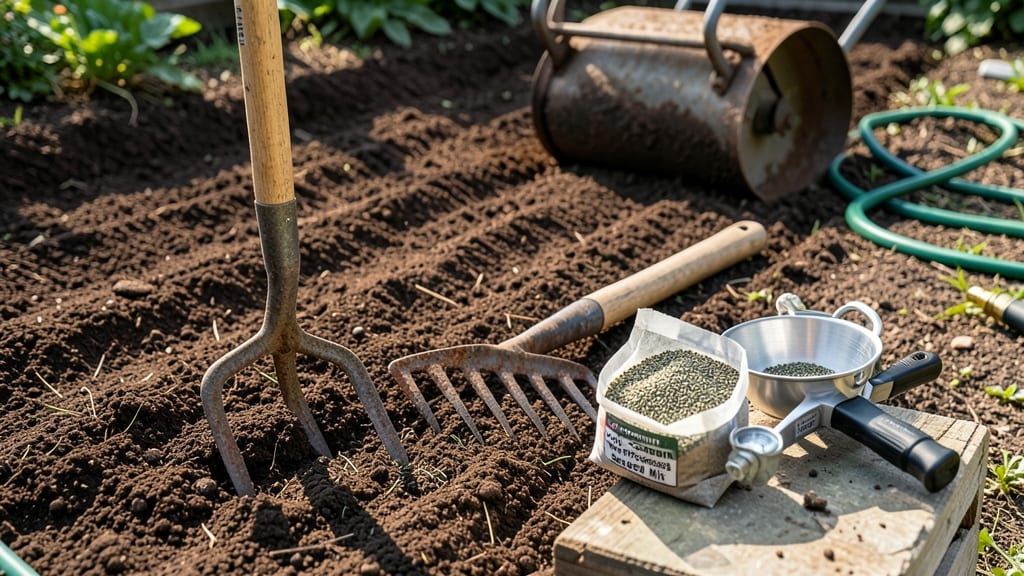
Sowing grass seed in fall gives your lawn a head start before winter—roots grow strong while soil stays warm. 🌱 I learned the hard way that skipping this step means patchy grass next spring. The key is timing: aim for 4-6 weeks before your first frost, when soil temperatures hover around 60-70°F—cool enough for seeds to germinate but warm enough to prevent rot.
Start with a clean slate: rake out dead grass, loosen soil with a rake or aerator, and spread a starter fertilizer to give seedlings a nutrient boost. Choose seed blends labeled for your climate—cool-season grasses like Kentucky bluegrass or fescue thrive in fall.
For best results, sow seeds ½ inch deep and lightly cover with soil or compost.
Watering is critical: keep soil consistently moist (not soggy) for the first 2-3 weeks—that’s when roots establish. Once seedlings reach 2-3 inches tall, taper to 1 inch per week. By winter, you’ll have a dense root system that outlasts frost and springs up faster than store-bought sod.
This method works for lawns, slopes, and even small patches—just adjust seed quantity per square foot. Pro tip: sow in light rain to save water, and avoid heavy foot traffic until grass reaches 3-4 inches. Your lawn will thank you next summer.
📚 In This Guide
- What you need
- Instructions
- Tips and common mistakes
- Wrapping up and next steps
What you need
- ● Grass seed: Choose a cool-season variety (e.g., Kentucky bluegrass, fescue, or ryegrass). Aim for 5–10 lbs per 1,000 sq ft, depending on seed type and desired density.
- ● Lawn soil: 1–2 inches of high-quality topsoil (pH-balanced, 6.0–7.0) to cover bare spots or thin areas.
- ● Fertilizer: A fall-specific blend (e.g., 10-10-10 or 20-0-5) with slow-release nitrogen. Apply ½–1 lb of nitrogen per 1,000 sq ft.
- ● Compost or organic matter: ¼–½ inch layer to improve soil structure and retain moisture.
- ● Broadcast spreader: For even seed distribution (manual or electric for large areas).
- ● Rake: A bow rake (for leveling) and a garden rake (for seed coverage).
- ● Lawn mower: Set to 2–3 inches height to prep existing grass (skip if seeding bare soil).
- ● Garden hose or sprinkler: With a fine mist nozzle for gentle watering.
- ○ Soil tester kit: Optional but helpful to check pH and nutrient levels before planting.
- ● Weather window: Sow seeds 4–6 weeks before first frost (typically September–October in most U.S. regions).
- ● Soil temperature: Ideal range: 60–75°F (cool but not freezing).
- ● Sunlight access: Ensure the area gets at least 5–6 hours of sun daily.
- ● Water source: Reliable access to water for 2–3 weeks post-planting (deep, frequent watering).
Step-by-Step guide to sowing grass seed in fall
Fall planting gives grass roots a head start before winter—here's how to do it right.
🌱 Step 1: Prepare the Soil for Optimal Seed Contact
Start by mowing your lawn as short as possible—about 1 inch tall—to create an even surface for seed placement. This prevents clumping and ensures seeds make direct contact with soil, which is critical for germination. After mowing, remove all debris and thatch using a rake, paying special attention to bare spots or thin areas where grass needs reinforcement.
Test your soil's moisture level by grabbing a handful—it should crumble slightly when squeezed but not fall apart. If it's too dry, water deeply until the top 4 inches feel consistently damp. Overly wet soil can suffocate seeds, so aim for a loamy texture that holds moisture without becoming soggy. This preparation mimics the natural conditions grass seeds need to establish roots before winter dormancy.
💧 Step 2: Spread Seed Evenly and Lightly
Use a broadcast spreader to distribute the seed evenly across the lawn, following the manufacturer's recommended settings for your grass type. Walk in a crisscross pattern to avoid missing spots or creating thick patches. For a 4,000 square foot lawn, you'll typically need about 8-10 pounds of seed, depending on the variety. Lightly overlap passes to ensure consistent coverage—thick clumps can lead to uneven growth or seed waste.
After spreading, lightly rake the area with a stiff-bristled lawn rake to press seeds into the soil without burying them. Grass seeds need light to germinate, so avoid covering them with more than ¼ inch of soil. This step also helps break up any remaining clumps and creates small furrows where seeds can settle into the soil. Step on the area gently to ensure good seed-to-soil contact, which accelerates root establishment before frost.
☀️ Step 3: Water Gently and Consistently
Water the seeded area immediately after planting, using a fine mist setting on your sprinkler to avoid dislodging seeds. Keep the soil surface moist but never saturated—think of a damp sponge rather than a dripping one. Water lightly 2-3 times daily for the first 7-10 days, ensuring the top ½ inch of soil remains consistently damp. This mimics natural rainfall and prevents seeds from drying out before germination.
Once seedlings reach 2-3 inches tall, gradually reduce watering to 1 inch per week, allowing the soil to dry slightly between waterings. This shift encourages deeper root growth, which is essential for winter hardiness. Avoid heavy watering or walking on the lawn during this phase—you'll know moisture is right when the soil surface looks slightly damp but not glistening, and seedlings stand upright rather than wilting.
✂️ Step 4: Monitor and Maintain Through Fall
Watch for the first signs of germination, which typically appear within 7-21 days depending on temperature and grass variety. Cool-season grasses like Kentucky bluegrass and fescue germinate faster in fall's mild temperatures. Once seedlings emerge, thin them if they're crowded—use your rake to gently remove excess plants, leaving the strongest, most evenly spaced shoots. This prevents competition for nutrients and ensures uniform growth.
As temperatures drop closer to freezing, reduce watering further but avoid letting the soil dry out completely. Grass roots continue developing even in cooler weather, and consistent moisture helps them establish before winter dormancy. In late fall, apply a light layer of mulch (like straw) to protect seeds and seedlings from frost heave and temperature fluctuations. This step is especially important in northern climates where winter conditions can be harsh.
Tips & tricks for perfect fall grass seed planting
Fall planting isn't just about timing—it's about creating the ideal conditions for your grass to thrive before winter. Here's what I've learned from years of trial and error in my own yard.
Soil Prep is Everything: The key to successful fall seeding lies in Step 1's soil preparation. Don't just mow short—aim for that 1-inch height and remove ALL thatch. I've seen seeds fail to germinate when thatch blocks contact with soil. After mowing, use a stiff-bristled rake to create a fine, crumbly texture. This mimics the natural seedbed conditions grass needs to establish roots before winter dormancy. The 4-inch deep moisture test is crucial too—soil should feel like a damp sponge, not a muddy mess.
Seed Distribution Secrets: In Step 2, when using your broadcast spreader, walk in a crisscross pattern and overlap passes slightly. I've wasted entire bags of seed by missing spots or creating thick patches. For a 4,000 square foot lawn, those 8-10 pounds should cover evenly—think of it like snowfall coverage. After spreading, the ¼-inch depth rule is non-negotiable. Any deeper and seeds suffocate; any shallower and they dry out. Lightly rake to create tiny furrows where seeds can nestle.
Watering Wisdom: The 2-3 times daily watering in Step 3 might seem excessive, but it's essential for those first 7-10 days. I learned this the hard way when a heatwave dried out my seedlings. Use a fine mist setting and check soil moisture by lifting a small patch of sod—it should feel like a wrung-out sponge. Once seedlings hit 2-3 inches, you can ease up to 1 inch per week, but never let the soil dry completely. This gradual reduction mimics nature's fall rainfall pattern perfectly.
Fall Maintenance Matters: In Step 4, when thinning seedlings, be ruthless but precise. Remove the weakest shoots completely—don't just cut them off at the base. I've seen lawns develop bald patches from half-dead seedlings. And that light mulch layer in late fall? It's not optional in colder climates. Straw works best—it protects without smothering. I've seen frost heave destroy newly established lawns when proper mulching wasn't done.
Pro Tips for Sowing Grass Seed In Fall
- Fall planting isn't just about timing—it's about creating the ideal conditions for your grass to thrive before winter...
- Soil Prep is Everything: The key to successful fall seeding lies in Step 1's soil preparation. Don't just mow short—a...
- Seed Distribution Secrets: In Step 2, when using your broadcast spreader, walk in a crisscross pattern and overlap pa...
Frequently asked questions
Got questions about sowing grass seed in fall? You’re not alone—here are the answers to the most common ones to help you get started with confidence!
What’s the best time to sow grass seed in the fall?
The ideal window is 4 to 6 weeks before your first hard frost (typically late August to early October in most U.S. regions). This gives seeds time to germinate and establish roots before winter. Check your local frost dates for precision!
How long does it take for grass seed to grow in the fall?
Germination usually takes 7 to 21 days depending on the grass type and weather. Cool-season grasses (like fescue or rye) sprout faster in fall’s mild temps. Expect a lush lawn in 6 to 8 weeks with proper care.
Do I need to water grass seed every day in fall?
Yes! Keep soil consistently moist (not soggy) for the first 2–3 weeks. Water lightly 2–3 times daily (early morning is best) to encourage germination. Reduce to 1 inch per week once sprouts appear.
Can I sow grass seed in fall if I already have grass?
Fall is perfect for overseeding thin or patchy lawns. Mow existing grass short, rake to loosen soil, and spread seed evenly. Just avoid fertilizing until after germination to prevent burning tender sprouts.
What if birds or squirrels eat my grass seed?
Use seed with a protective coating or cover seeds lightly with straw. Scatter a thin layer of mulch or peat moss (¼ inch) to deter critters. If pests are persistent, try bird netting over small areas.
Will frost kill newly sown grass seed?
No—established roots (even dormant ones) survive light frost. However, newly germinated seedlings can be damaged by hard freezes. If frost is forecast, cover seeds with straw or a breathable tarp until temps rise.
Can I use spring grass seed in fall?
Not ideal! Spring blends (warm-season grasses like Bermuda) won’t thrive in cool fall soil. Stick to cool-season varieties (Kentucky bluegrass, fescue) designed for fall planting. Check seed bags for “fall sowing” labels.
Still unsure? Drop your question in the comments—we’re happy to help!
Wrapping up and next steps
Fall is the perfect time to transform your lawn into a lush, resilient carpet—and you’re already on the right path! By sowing grass seed now, you’ll give your lawn a head start with deep, frost-resistant roots before winter’s chill.
Whether you’re a first-timer or a seasoned gardener, your hard work will pay off in a vibrant spring lawn.
Ready to see results? Take the next step:
- Mark your calendar for early spring—it’s time to refresh your lawn with a second round of seeding or top-dressing.
- Grab your gloves and enjoy the process—your future lawn will thank you! 🌱