
Lawn
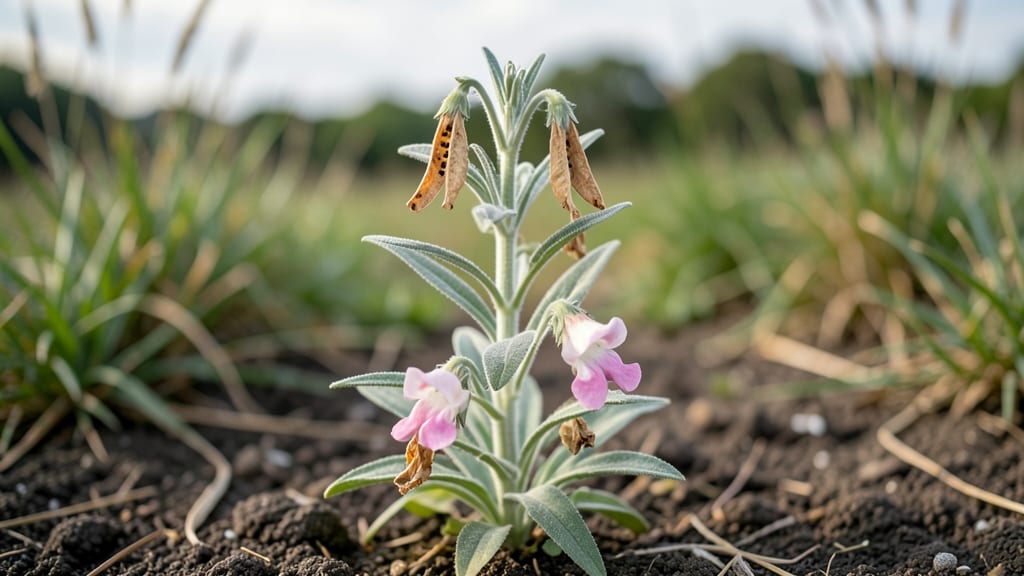
Those papery snapdragon seed pods hold next year’s vibrant blooms—if you harvest them right. 🌼 I’ve learned the hard way that letting them dry on the plant too long means lost seeds, while picking too early means no germination.
The secret is timing: wait until the pods turn from green to tan and start splitting open naturally.
Gently twist each pod to release the tiny black seeds inside—no need for tools, just your fingers. Spread them on a paper towel in a dry, shaded spot for 2-3 weeks to fully dry.
Store them in an envelope labeled with the variety and date, tucked away in a cool, dark place. Properly dried seeds stay viable for 2-3 years, though I’ve had luck even with older batches.
Snapdragons rarely self-seed aggressively, but if you want more plants popping up naturally, scatter a few dried pods near your garden beds in early spring. The trade-off? You’ll lose some control over where they grow.
For guaranteed placement, start fresh seeds indoors 8-10 weeks before your last frost—just like I do every year for my favorite heirloom varieties.
This method works for both annual and perennial snapdragons, though perennials often produce fewer seeds. The key is patience: a little effort now means a riot of color next summer without buying new plants. Ready to save those seeds?
📚 In This Guide
- What you need
- Instructions
- Tips and common mistakes
- Wrapping up and next steps
What you need
- ● Fresh snapdragon seed pods: Harvest only fully mature pods (dry, brown, and slightly papery to the touch). Aim for 50–100 pods, depending on your needs.
- ● Pruning shears or sharp scissors: Clean, sterilized tools to snip stems without crushing pods. A bypass pruner is ideal.
- ● Paper bags (brown kraft or breathable fabric bags): 1–2 bags (8x10 inches or larger) per batch of pods. Poke small holes in the bottom for airflow.
- ○ Drying rack or wire mesh screen: Optional but helpful for elevated airflow. A cooler rack or window screen works well.
- ● Labeling tags and permanent marker: To mark pods by variety and harvest date.
- ● Small paper envelopes or seed packets: 50–100 envelopes (3x5 inches) for long-term storage.
- ○ Desiccant packets (optional but recommended): 1–2 packets per envelope to absorb moisture.
- ● Dehydrator: Set to 95°F (35°C) for faster, even drying (2–4 hours).
- ● Fan or small vent: To circulate air in humid climates.
- ● Glass jars with tight lids: For alternative storage (ensure pods are 100% dry first!).
- ● Notebook or garden journal: To track pod maturity, drying dates, and germination notes.
- ● Knee pad or stool: For comfortable harvesting if working in the garden.
Step-by-Step instructions for harvesting and preserving snapdragon seed pods
Here's how I save seeds from my snapdragons year after year—simple, reliable, and perfect for next season's vibrant blooms.
🌿 Step 1: Identify and Select Healthy Seed Pods
Wait until your snapdragons have finished blooming and the flower stalks have turned brown and papery. These are your seed pods, and they'll feel dry and crisp to the touch. I always choose pods from the healthiest, most vigorous plants—this ensures strong germination next year.
Look for pods that are fully mature but haven't split open yet. Snapdragons often release seeds naturally, so act quickly once you see the pods turning brown. If you miss the window, you can still work with them, but they may have already released some seeds.
💧 Step 2: Harvest and Dry the Seed Pods
Use clean, sharp scissors to snip the entire seed pod stalk from the plant, leaving about 1 inch of stem attached. This helps prevent the pods from splitting open during drying. Place them in a single layer on a dry, well-ventilated surface like a mesh screen or paper towel.
Find a warm, dry spot with indirect light—direct sun can overheat the pods and cause them to crack prematurely. I like to use a seed-saving tray or even a cardboard box with holes punched in the sides. Let the pods dry for 2-3 weeks until they feel completely dry and brittle.
✂️ Step 3: Extract and Clean the Seeds
Once the pods are thoroughly dry, gently crush them with your fingers or a small hammer to release the seeds. I like to do this over a clean piece of paper or a seed tray—this makes cleanup easier and helps prevent seed loss. You'll see tiny, dark seeds mixed with some chaff.
Use a fine-mesh sieve or your fingers to separate the seeds from the debris. Snapdragon seeds are quite small, so take your time. Store the clean seeds in a labeled envelope or small paper bag—this keeps them organized and ready for next year's planting.
🪴 Step 4: Store Seeds for Optimal Germination
Place the dried seeds in an airtight container, like a small glass jar or resealable plastic bag. I add a packet of silica gel or a few grains of uncooked rice to absorb any excess moisture—this helps maintain seed viability. Label the container with the snapdragon variety and the harvest date.
Store the seeds in a cool, dark place, like a pantry or refrigerator. Snapdragon seeds can stay viable for 2-3 years if stored properly, but I always plant them within a year for the best results. Check the seeds periodically to ensure they remain dry and free from mold.
⏰ Step 5: Test Germination Before Planting Next Year
Before you plant your saved seeds, do a quick germination test. Moisten a paper towel, place a few seeds on it, and fold it over. Put the towel in a plastic bag and seal it loosely. Keep it in a warm spot for 5-7 days
If germination is slow or uneven, you may need to stratify the seeds—place them in the refrigerator for 2-4 weeks before planting. This mimics the natural cold period snapdragons experience in the wild and can improve germination rates. Once they sprout, you'll have healthy, vibrant snapdragons ready to bloom again next season.
Tips & tricks for perfect snapdragon seed preservation
Preserving snapdragon seeds the right way ensures you'll have vibrant blooms next season without the hassle. Here's what I've learned over the years to make the process foolproof.
Timing is Everything: Harvest pods when they're fully brown and crisp but haven't split open yet. This is your narrow window—wait too long, and seeds may scatter. I check pods daily during their final week of drying on the plant. If you see tiny cracks forming, harvest immediately to prevent seed loss.
Drying Wisdom: The 2-3 week drying period in Step 2 is crucial—don't rush it! I've learned the hard way that impatient drying leads to brittle pods that crumble when handling. Place pods in a warm spot (around 70°F) with good airflow. A mesh screen works perfectly, allowing air circulation on all sides while keeping them contained.
Seed Extraction Hack: When crushing dried pods to release seeds, work over a dark-colored surface like black paper or a dark towel. The tiny seeds blend in with light backgrounds, making them nearly impossible to spot. This simple trick saves time and frustration during cleanup, especially when dealing with snapdragon's minuscule seeds.
Storage Secrets: For long-term viability beyond the recommended 2-3 years, consider adding a small packet of desiccant silica gel to your storage container. I've found this extends seed life to 4-5 years when combined with the cool, dark storage conditions. Just make sure the silica gel stays separate from the seeds themselves to prevent clumping.
Pro Tips for Snapdragon Seed Pods
- Preserving snapdragon seeds the right way ensures you'll have vibrant blooms next season without the hassle. Here's w...
- Timing is Everything: Harvest pods when they're fully brown and crisp but haven't split open yet. This is your narrow...
- Drying Wisdom: The 2-3 week drying period in Step 2 is crucial—don't rush it! I've learned the hard way that impatien...
Frequently asked questions
Got questions about harvesting, drying, or storing snapdragon seed pods? You’re not alone! Here are the answers to the most common queries—so you can keep those vibrant blooms coming year after year.
When is the best time to harvest snapdragon seed pods?
Harvest seed pods once they’ve turned tan or brown and feel dry to the touch (usually late summer to early fall). Avoid harvesting when pods are still green or swollen—they won’t store well. Pro tip: Pick them on a dry morning to prevent mold.
How long do snapdragon seed pods take to dry?
If you hang them upside down in a cool, dry spot (like a garage or shed), pods typically dry in 2–4 weeks. For faster drying (1–2 weeks), use a dehydrator set to 95°F or a well-ventilated room with a fan. Watch for: pods cracking open—if they do, remove seeds immediately!
Can I store snapdragon seeds in paper envelopes?
Yes! Paper envelopes work great for short-term storage (1–2 years), but for long-term viability (3+ years), opt for airtight containers (like glass jars or resealable bags) with a desiccant packet to absorb moisture. Label them with the variety and year—trust us, you’ll forget!
What should I do if my seed pods get moldy?
If you spot fuzzy green/black mold, discard the pods immediately—they’re no good! To prevent mold, ensure pods are fully dry before storing and avoid humid areas. Quick fix: If caught early, spread pods on a paper towel in a sunny spot to dry out completely.
Can I save seeds from hybrid snapdragons?
Probably not! Hybrid varieties (like ‘Matrix’ or ‘Colorado’) often produce infertile or unpredictable seeds. For reliable blooms, stick to heirloom or open-pollinated varieties. Check the seed packet—if it says “hybrid,” save seeds from other plants instead!
Wrapping up and next steps
Snapdragon seed pods are nature’s way of ensuring next year’s vibrant blooms—so don’t let their beauty fade! By drying and preserving them properly, you’re setting the stage for a stunning garden revival. 🌸
Now that you’re equipped with the how-to, take action! Gather those pods before they burst, and store them in a cool, dry spot. Your future garden will thank you—happy planting! Ready to try? Grab your supplies and start preserving today! 🌱