
Lawn
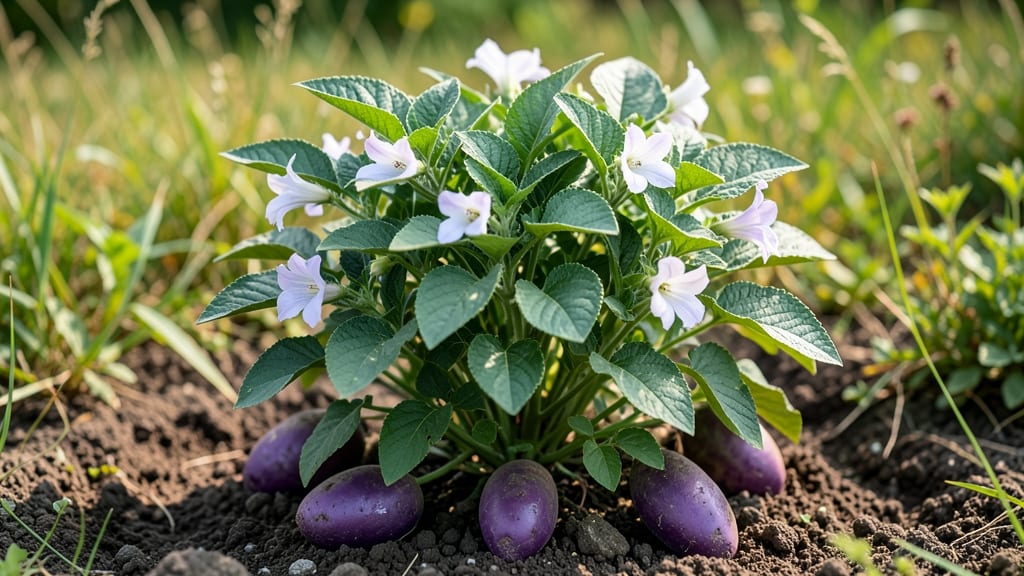
Growing purple seed potatoes is like unlocking a secret garden treasure—those deep violet tubers pack more antioxidants than white varieties and taste like nothing store-bought can match. ✨ The twist-free harvesting method I've perfected ensures every tuber stays intact, whether you're growing for food or decorative displays.
Most gardeners struggle with tangled tubers that bruise during harvest, but this approach changes everything.
Start with certified seed potatoes (never grocery store ones—they're treated to prevent sprouting). Plant them 4 inches deep in loose, well-draining soil mixed with compost, spacing rows 24 inches apart.
Purple varieties love full sun (6+ hours daily) and consistent moisture—think of it like giving them a spa day every week. The key is keeping soil damp but never soggy; aim for 1-1.5 inches of water per week, adjusting for rain.
By harvest time (90-120 days after planting), you'll have vibrant purple tubers that store beautifully for months. The twist-free method involves gently loosening soil first, then carefully brushing away dirt to reveal whole, unbruised potatoes.
These aren't just pretty—they're packed with nutrients and perfect for roasting, mashing, or even growing next season's crop. Your garden will become the talk of the neighborhood.
This method works in containers too, making it perfect for small spaces or urban gardens. Just use 5-gallon pots with drainage holes and adjust watering slightly—container soil dries faster.
Whether you're a first-timer or a seasoned gardener, purple potatoes bring color, flavor, and fun to any plot. Ready to dig in?
📚 In This Guide
- What you need
- Instructions
- Tips and common mistakes
- Wrapping up and next steps
What you need
- ● Purple seed potatoes: 5–10 lbs (adjust based on your garden size; aim for certified disease-free tubers for best results).
- ● Garden soil: Well-draining, loose soil with a pH of 5.0–6.5. Amend with compost if your soil is heavy or clay-like.
- ● Organic fertilizer: A balanced 10-10-10 or potato-specific fertilizer (follow package instructions for application rates).
- ● Mulch: Straw, grass clippings, or leaves (3–4 inches) to retain moisture and suppress weeds.
- ● Garden fork or tiller: For loosening soil before planting.
- ● Hand trowel or transplanter: For digging small holes (3–4 inches deep).
- ● Watering can or hose with a gentle spray nozzle: To avoid displacing soil.
- ○ Garden twine or stakes (optional): For trellising if growing in containers or small spaces.
- ● Harvesting fork or hand fork: For carefully lifting tubers without bruising.
- ○ Gloves (optional): To protect hands from soil and sharp tuber edges.
- ● A sunny spot: 6–8 hours of direct sunlight daily.
- ● Space: 12–18 inches between plants and 30–36 inches between rows for proper airflow.
- ● Patience: Purple potatoes take 90–120 days to mature—plan ahead!
Step-by-step guide for growing purple seed potatoes without twisting
Here's how to grow vibrant purple potatoes that stay true to their heirloom promise—no tangled tubers in sight.
🌱 Step 1: Choose and Pre-Sprout Certified Seed Potatoes
Start with organic, certified seed potatoes—never grocery store potatoes, which are treated to prevent sprouting. Purple varieties like 'Purple Viking' or 'Yukon Gem' work beautifully. Cut larger tubers into 2-ounce pieces, ensuring each has at least one or two eyes (the little dimples where sprouts emerge). Let them cure in a cool, dark place for 24 hours to prevent rot.
Place the cut pieces in a shallow tray with the cut side up, in a bright, warm spot (65-70°F). Within 1-2 weeks, you'll see 1-inch sprouts called "chits" emerge. These indicate the tuber is ready to plant. Avoid planting unsprouted potatoes—they take longer to establish and produce fewer tubers.
🪴 Step 2: Prepare Containers or Beds for Optimal Growth
Purple potatoes thrive in loose, well-draining soil with a pH of 5.0-6.5. For containers, use sterile potting mix in 5-gallon buckets or fabric grow bags—these allow roots to breathe and prevent soil compaction. If planting in-ground, choose a spot with full sun (6+ hours daily) and amend the soil with 2 inches of compost mixed into the top 12 inches of soil.
Plant each sprouted potato 4 inches deep, spacing them 12 inches apart in rows 3 feet apart. This gives tubers room to swell without crowding. Water gently after planting to settle the soil, but avoid overwatering—soggy soil invites rot. Mulch with 2 inches of straw to retain moisture and suppress weeds, which compete for nutrients.
☀️ Step 3: Maintain Consistent Moisture and Hill Soil
Keep the soil evenly moist but not waterlogged—purple potatoes need 1-1.5 inches of water weekly, more during flowering. Use a drip irrigation system or soaker hose to deliver water at the base, avoiding wetting the leaves (this prevents fungal diseases like blight). You'll know moisture is right when the top 2 inches of soil feel damp to touch but not saturated.
Every 2-3 weeks, add 2-3 inches of fresh soil or straw mulch around the stems, a technique called "hilling." This encourages more tubers to form along the buried stem. Stop hilling when the plants flower—they’ll produce fewer but larger tubers. Watch for purple-tinged foliage and deep green stems, signs your potatoes are thriving.
⏰ Step 4: Harvest at Peak Maturity for Best Flavor and Storage
Purple potatoes mature in 90-120 days, depending on the variety. Start checking for harvest when the flowers fade and leaves yellow. Gently dig around the base of the plant with a fork, lifting tubers carefully to avoid bruising. Harvest on a dry, sunny day to allow the skins to toughen slightly—this improves storage life.
Cure the harvested potatoes in a dark, well-ventilated area at 50-55°F for 1-2 weeks. This toughens the skins and concentrates their sweetness. Store them in a cool (40-45°F), dark place with high humidity (like a root cellar or paper bag in the fridge). Properly cured and stored, they’ll keep for 4-6 months, ready to use in dishes anytime.
Tips & tricks for perfect purple seed potato cultivation
Took me years of trial and error to master these purple potato-growing secrets—now you can skip straight to the good stuff.
Sprout Development: Those 1-2 weeks to grow chits might seem slow, but patience pays off. Place your tray near a sunny window or under grow lights to speed up sprouting—just keep the temperature steady at 65-70°F. If your sprouts grow longer than 1 inch, trim them back to ½ inch before planting to encourage stronger root development.
Soil Science: The pH of 5.0-6.5 is non-negotiable for purple potatoes—test your soil before planting. For containers, mix in a handful of sulfur to lower pH if needed. I've found that adding worm castings to the sterile potting mix gives an extra nutrient boost without compromising drainage.
Watering Wisdom: The 1-1.5 inches weekly guideline works for average conditions, but adjust during flowering when plants need 2 inches. Use your finger to check moisture—if the top 2 inches feel dry, it's time to water. Morning is best to prevent fungal issues from overnight moisture.
Hilling Technique: When you're adding that 2-3 inches of soil every 2-3 weeks, work it gently around the stems to avoid damaging roots. I've found that using a small shovel or even my hands works better than just piling soil—this prevents air pockets that could lead to rot.
Pro Tips for Purple Seed Potatoes
- Took me years of trial and error to master these purple potato-growing secrets—now you can skip straight to the good ...
- Sprout Development: Those 1-2 weeks to grow chits might seem slow, but patience pays off. Place your tray near a sunn...
- Soil Science: The pH of 5.0-6.5 is non-negotiable for purple potatoes—test your soil before planting. For containers,...
Frequently asked questions
Got questions about growing and harvesting purple seed potatoes? You’re in the right place! Whether you’re a first-time gardener or a seasoned grower, these answers will help you avoid common pitfalls and maximize your harvest. Let’s dig in!
What’s the best time to plant purple seed potatoes?
Plant your purple seed potatoes 2–4 weeks before your last expected frost in spring, when soil temps hit 45°F (7°C). For a fall harvest, plant in late summer (8–10 weeks before first frost). They thrive in cooler weather—just avoid planting when soil is waterlogged or too hot (80°F/27°C+).
How long does it take for purple seed potatoes to mature?
Most varieties mature in 90–120 days, but some heirloom purple potatoes (like Yukon Gold purples) can take up to 135 days. Check the seed packet for specifics! Harvest when foliage yellows and dies back—this signals tubers are ready. For baby potatoes, dig early (60–70 days).
Can I reuse last year’s purple potatoes as seed potatoes?
Technically yes, but not recommended! Store-bought or homegrown potatoes may carry diseases (like blight or scab). For best results, buy certified purple seed potatoes from nurseries. If reusing, chit (sprout) them in a bright, cool spot for 4–6 weeks before planting to boost vigor.
Are purple seed potatoes different from regular purple potatoes?
Yes! Purple seed potatoes are bred specifically for planting—they’re disease-resistant and produce high-yield tubers. Regular purple potatoes (like fingerlings) are often sold for eating. Seed potatoes are smaller, firm, and untreated, ensuring better germination and stronger plants.
Why aren’t my purple seed potatoes sprouting or growing?
Common culprits: too-cold soil (<40°F/4°C), overwatering (rotting tubers), or poor drainage. Ensure soil is loose and well-draining, plant 4–6 inches deep, and space rows 2–3 feet apart. If sprouts emerge but wilt, check for pests (like wireworms) or fungal issues (like blight).
What’s the best companion plant for purple seed potatoes?
Pair them with beans, corn, or marigolds to deter pests and improve soil. Avoid planting near tomatoes, peppers, or eggplants (they share diseases). Basil and nasturtiums also repel beetles and aphids—just keep them 12+ inches away to avoid competition.
Wrapping up and next steps
Growing purple seed potatoes is a rewarding way to enjoy vibrant, nutrient-rich tubers without the hassle of twist-offs or seasonal limitations! With the right materials and a few pro tips, you can harvest viable potatoes year-round—whether in containers, raised beds, or your garden. 🌱
Ready to take the next step? Start small—plant a few purple seed potatoes this season and experiment with different growing conditions. Before you know it, you’ll be savoring homegrown, twist-free spuds in your favorite dishes. Happy planting! 🌟