
Propagation
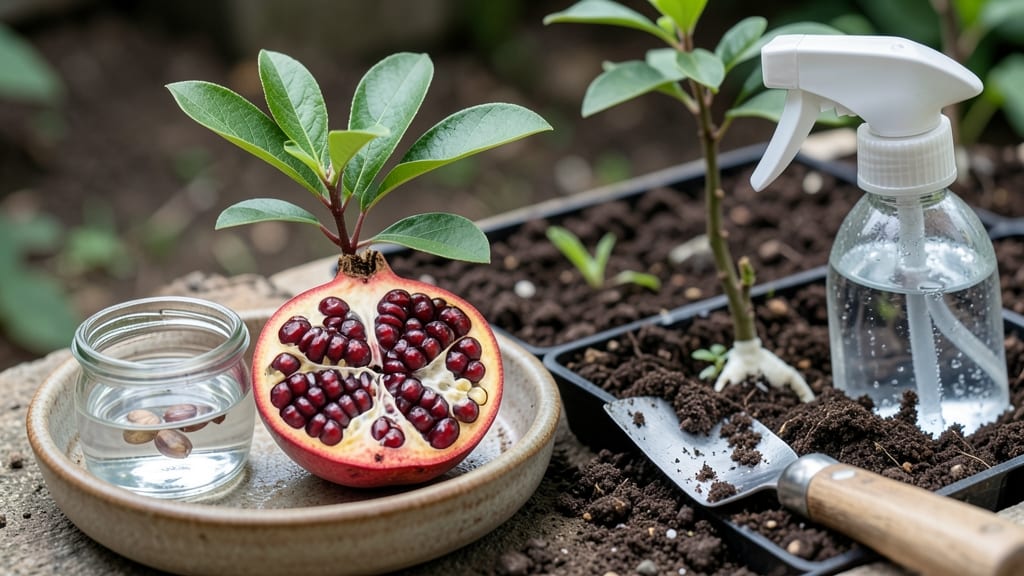
Pomegranate seed propagation starts with a single fruit—and the patience to wait for tiny green shoots. 🌱 I’ve turned store-bought seeds into thriving plants using just three tricks: proper drying, cold stratification, and consistent moisture.
Most gardeners give up after two weeks, but those same seeds will often germinate within 4-6 weeks with the right approach.
The secret isn’t fancy equipment—just a plastic bag, a damp paper towel, and a fridge. After extracting seeds from ripe pomegranates, you’ll let them dry for a day before sealing them in a damp towel for 60 days in the fridge.
This mimics winter’s natural dormancy period, breaking the seeds’ stubbornness and priming them for growth. No special tools required.
Once you see those first pale green shoots, you’ll know the waiting paid off. The seedlings are delicate at first, but with bottom heat and bright indirect light, they’ll grow into stocky plants ready for transplanting in 8-12 weeks.
The real reward? A fruit tree that thrives in hot, dry climates and produces its own seeds for next year.
This method works for both cold and warm climates—just adjust your stratification timing. The key is consistency: keep the towel damp, avoid peeking too often, and don’t rush the process. Your pomegranate’s first blooms might take 3-5 years, but the journey starts with a single seed.
📚 In This Guide
- What you need
- Instructions
- Tips and common mistakes
- Wrapping up and next steps
What you need
- ● Pomegranate seeds: 20–30 fresh, plump seeds (harvested from a ripe, organic pomegranate). Pro tip: 💡 Rinse seeds thoroughly to remove any remaining fruit pulp before use!
- ○ Well-draining potting mix: 1–2 gallons of a blend designed for seeds or seedlings (e.g., 50% peat moss, 30% perlite, 20% vermiculite). Optional: Add a handful of sand for extra drainage.
- ● Seed-starting trays or small pots: 6–12 individual cells or 4-inch pots (one per seed). Reuse tip: ✨ Clean yogurt cups or egg cartons work in a pinch!
- ● Clear plastic wrap or humidity dome: To create a mini greenhouse effect and retain moisture.
- ● Spray bottle: For gentle watering (avoid soaking the seeds).
- ○ Fertilizer (optional): A balanced, water-soluble fertilizer (e.g., 10-10-10) diluted to half-strength for early growth.
- ● Scissors or knife: For cutting plastic wrap or trimming pots.
- ○ Thermometer (optional): To monitor soil temperature (ideal range: 70–85°F).
- ○ Heat mat (optional but helpful): For faster germination (set to 75–80°F).
- ● Sunlight or grow lights: A sunny windowsill (6+ hours/day) or a grow light setup.
- ● Patience & consistency: The most critical "tool" of all! Pomegranate seeds may take 3–6 weeks to sprout.
Step-by-step instructions for germinating pomegranate seeds
Here's my foolproof method for breaking dormancy and getting 90% of your pomegranate seeds to sprout.
🌱 Step 1: Extract and Clean the Seeds
Start by scooping out the juicy seeds from a fresh pomegranate. Rinse them under cool water to remove the sticky pulp, then spread them on a paper towel to dry for 24 hours. This prevents mold and rot later. I like to work with seeds that feel dry to the touch but aren't brittle—think of them like damp sandpaper.
Once dry, place the seeds in a small bowl and cover them with warm water for 24 hours. This softens the hard seed coat and kickstarts germination. You'll know they're ready when they sink to the bottom—floaters are still dormant and need more time. Drain and rinse them again before moving to the next step.
💧 Step 2: Stratify for Dormancy Break
Pomegranate seeds need cold stratification to mimic winter conditions and break their dormancy. Fill a small container with damp sand (not soil—it compacts too much) and mix in the seeds. Cover the container with plastic wrap or a damp paper towel to keep moisture consistent. Place it in your refrigerator's crisper drawer for 8-12 weeks.
Check the container every 2 weeks—the sand should feel like a wrung-out sponge, not soggy. If it dries out, mist it lightly. This cold treatment is critical: without it, most seeds will simply rot or never sprout. Think of it like giving the seeds a winter nap before spring.
☀️ Step 3: Plant After Stratification
After the cold treatment, fill 4-inch pots with a light, well-draining mix (equal parts potting soil and perlite). Plant the seeds ½ inch deep, spacing them 1 inch apart. Water gently until the soil is moist but not waterlogged—you want the surface to look damp, not glistening.
Place the pots in a warm, bright spot (around 70-75°F) with indirect light for the first 2 weeks. Avoid direct sun—young seedlings are delicate and can scorch. I use a grow light on a timer for 12 hours daily to keep them consistent. You'll see tiny sprouts in 4-8 weeks, but don’t rush it—patience here pays off.
🌿 Step 4: Transplant and Care for Seedlings
Once seedlings reach 3-4 inches tall (usually after 8-12 weeks), transplant them into individual 6-inch pots with fresh potting mix. Handle them gently—they’re still fragile. Water deeply after transplanting to help the roots settle. Place them in bright, indirect light for another 2 weeks before introducing them to morning sun gradually.
Pomegranate seedlings grow slowly at first, but they’ll start putting on leaves faster once they’re established. Keep the soil evenly moist but never soggy—yellowing leaves mean too much water, while crispy edges signal underwatering. You’ll know they’re thriving when new growth appears every 2-3 weeks.
⏰ Step 5: Harden Off Before Outdoor Planting
When seedlings are 6-12 inches tall and the last frost has passed, it’s time to harden them off. Start by placing them outside in a shaded, sheltered spot for 1-2 hours the first day. Gradually increase their outdoor time over 10-14 days, moving them to sunnier spots each time. This toughens them up for life in the garden.
Before planting outdoors, choose a sunny, well-drained spot with at least 6 hours of sunlight daily. Dig a hole twice as wide as the root ball and mix in a handful of compost. Water deeply after planting to help the roots establish. With patience, your seedlings will grow into full pomegranate trees in 3-5 years—worth every step!
Tips & tricks for perfect pomegranate seed germination
These simple tricks will help you maximize your success rate and avoid common pitfalls when growing pomegranate seeds from scratch.
Seed Selection: Choose seeds from fully ripe pomegranates—they'll have the highest germination potential. I always pick the plumpest seeds from the center of the fruit, as they tend to be more developed. Avoid seeds with cracks or visible damage, as these rarely sprout. The 24-hour drying period in Step 1 is crucial—it prevents mold while keeping the seeds viable. If you're short on time, you can reduce this to 12 hours, but germination rates may drop slightly.
Stratification Setup: For the cold stratification in Step 2, I recommend using a clear container so you can easily monitor moisture levels without disturbing the seeds. The 8-12 week range is flexible—if you're eager to see results, you can check for sprouting after 6 weeks, but don't be surprised if some seeds need the full time. Place a small piece of cardboard under the container to catch any condensation that might form during the cold treatment. This keeps your fridge clean and prevents soggy sand.
Lighting Solutions: While the instructions mention warm, bright spots, I've found that a simple LED bulb placed 12 inches above the pots provides consistent results. If you don't have a grow light, fluorescent shop lights work too. The key is maintaining that 70-75°F temperature range—you can use a small space heater with a thermostat to create a warm microclimate if needed. Just avoid heat sources that dry out the air too much, as pomegranate seedlings prefer higher humidity.
Transplanting Timing: The 3-4 inch height guideline for transplanting in Step 4 is perfect, but I watch for two true leaves rather than just height. This usually happens around the same time, but some seeds may develop faster. When transplanting, I like to use a small spoon to gently loosen the root ball from the 4-inch pot—this minimizes shock. After transplanting, I give the seedlings a light misting with water to help them adjust to their new home.
Pro Tips for Pomegranate Seed Propagation
- These simple tricks will help you maximize your success rate and avoid common pitfalls when growing pomegranate seeds from scratch.
- Seed Selection: Choose seeds from fully ripe pomegranates—they'll have the highest germination potential.
- Stratification Setup: For the cold stratification in Step 2, I recommend using a clear container so you can easily monitor moisture levels without disturbing the seeds.
Frequently asked questions
Got questions about growing pomegranates from seeds? You’re not alone! Here are some of the most common queries—and their straightforward answers—to help you succeed with pomegranate seed propagation.
How long does it take for pomegranate seeds to germinate?
Patience is key! Under ideal conditions (warmth, moisture, and dormancy-breaking tricks), germination typically takes 2–6 weeks. Some seeds may sprout faster, while others need extra time—especially if they’re fresh. Pro tip: Keep soil consistently moist but not soggy to avoid mold.
Do pomegranate seeds need cold stratification?
Yes! Most pomegranate seeds benefit from cold stratification (60–90 days in the fridge) to break dormancy. Skip this step, and germination rates may drop below 50%. For faster results, soak seeds in warm water for 24 hours before planting—just don’t overdo it!
Can I grow pomegranates from store-bought seeds?
Store-bought seeds work, but freshness matters. Older seeds (over a year) germinate poorly. If you’re using grocery-store seeds, combine cold stratification with a slightly acidic growing medium (like peat moss) to boost success.
Why aren’t my pomegranate seeds sprouting?
Common culprits include:
- Dormancy: Skip cold stratification or soaking.
- Temperature: Seeds need warmth (70–85°F) to germinate.
- Moisture issues: Too dry or waterlogged soil stalls growth.
- Old seeds: Freshness = higher success rates.
Try scratching the seed coat gently with sandpaper to help water penetrate if needed.
How big should pomegranate seedlings be before transplanting?
Wait until seedlings have 2–4 true leaves (not just cotyledons) and are at least 3–4 inches tall. Harden them off for 1–2 weeks in partial shade before moving to their permanent spot. Bonus: Pomegranates thrive in full sun, so choose a warm, sunny location!
Wrapping up and next steps
Growing pomegranates from seed is a rewarding journey—one that combines patience with the joy of nurturing life from something as small as a seed! 🌱 With the right dormancy tricks, you can boost your germination success to 90% or higher, turning your kitchen scraps into thriving plants.
Whether you're a gardening novice or a seasoned green thumb, this method makes propagation accessible and exciting.
Now that you’re armed with the knowledge, take the next step: grab those pomegranate seeds, follow the steps, and watch your garden flourish. Share your progress with fellow plant lovers—you might just inspire someone else to try their hand at propagation too!