
Lawn
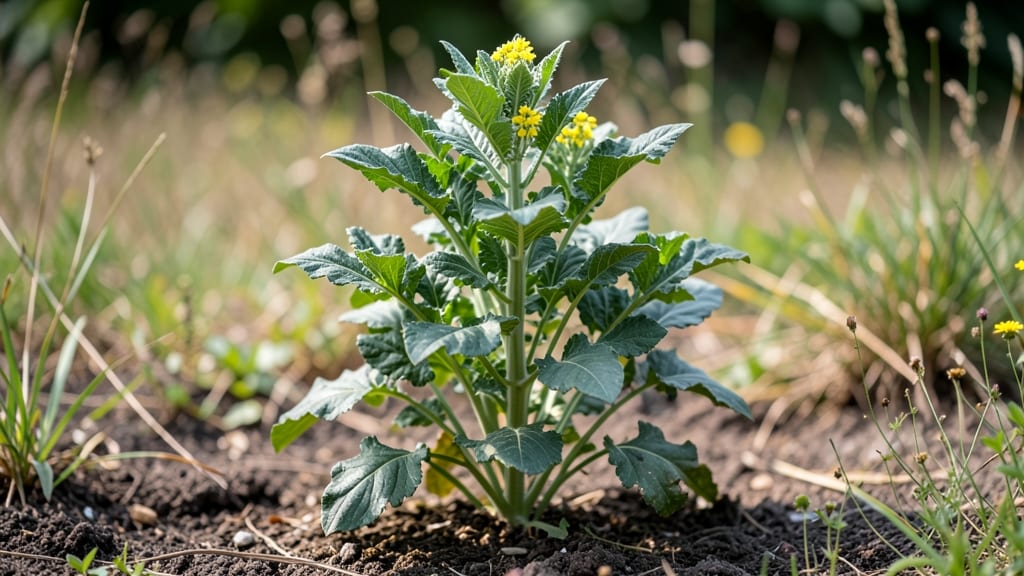
Growing mustard from seed to harvest is like watching a green explosion unfold in your garden. 🌱 The trick to viable seeds year-round isn't just planting—it's mastering the twist-free harvesting method that keeps your plants productive and your seeds potent.
My first attempt ended with tangled stems and wasted pods, but now I've got a system that works every time, even for beginners.
You'll need well-draining soil, full sun (at least 6 hours daily), and patience—mustard grows fast but needs consistent moisture without soggy roots. The real secret? Staking or cage support early prevents stems from flopping, which ruins seed quality.
I use simple tomato cages bent into place when plants hit 12 inches tall, and the difference is night-and-day for harvestable pods.
By midseason, you'll see those familiar yellow flowers give way to plump seed pods. The twist-free technique means cutting stems at the base when pods turn brown and brittle—no wrestling with tangled vines.
One plant yields enough seeds to replant the whole garden next year, and the flavor stays sharp through storage if you dry them properly in the shade.
This method works for both spring and fall plantings, even in cooler climates where mustard thrives. The only real challenge is keeping pests off the pods, but a light row cover does the trick.
Once you master it, you'll never buy mustard seeds again—and your neighbors might start asking for cuttings.
📚 In This Guide
- What you need
- Instructions
- Tips and common mistakes
- Wrapping up and next steps
What you need
- ● Mustard seeds: 1–2 lbs (organic, non-GMO preferred for best viability)
- ● Growing medium: Potting mix: 10–12 quarts (lightweight, well-draining blend)
- ● Perlite or vermiculite: 1 quart (for aeration)
- ● Containers: Seed trays or pots: 6–12 (6" deep, with drainage holes)
- ○ Grow bags (optional alternative): 2–4 (10–12 gallons each)
- ● Watering tools: Spray bottle (for initial germination)
- ● Watering can with fine rose (for established plants)
- ● Fertilizer: Balanced organic fertilizer (5-5-5 or 10-10-10, diluted to half-strength)
- ● Grow lights or sunlight access: 6–8 hours of direct light daily (LED grow lights work if natural light is limited)
- ● Pruning shears: Small, sharp pair (for harvesting mature pods)
- ● Harvesting tools: Paper bags or breathable mesh bags: 4–6 (for drying seeds)
- ● Rubbing alcohol (70% or higher): 1 small bottle (for sterilizing tools)
- ● pH meter or test kit: To ensure soil pH is between 6.0–7.0 (ideal for mustard)
- ● Humidity dome or plastic wrap: For speeding up germination (remove once sprouts appear)
- ● Trellis or stakes: If growing taller varieties (6–12 inches tall)
- ● Seed storage containers: Airtight jars or bags with silica packets (for long-term seed preservation)
- ● Compost bin: For recycling plant waste (eco-friendly bonus!)
How to harvest and save mustard seeds for year-round planting
Here's the simple system I use to keep mustard seeds viable and ready for next season—no twisting, no stress, just reliable harvests.
🌱 Step 1: Identify and Select Healthy Mustard Plants
Wait until the mustard plants have fully matured—this means the leaves turn yellow and the seed pods (siliques) turn from green to brown and begin to dry out. You'll know they're ready when you can easily shake seeds from the pods with a gentle tap. Avoid plants with signs of disease or pest damage, as those seeds won't be viable.
Harvest on a dry day, ideally in the morning when the dew has evaporated but before the heat of the afternoon. This ensures the seeds stay dry and don't start to sprout prematurely in the pod. I like to cut the entire plant at the base with clean shears, leaving a few inches of stem attached. This makes it easier to handle and dry the pods later.
☀️ Step 2: Dry the Seed Pods Properly
Lay the harvested plants in a single layer on a clean, dry surface, like a mesh screen or a piece of cardboard, in a well-ventilated area. Keep them out of direct sunlight to prevent overheating, which can damage the seeds. A shady spot with good airflow, like a covered porch or a garage with an open door, works perfectly.
Let the plants dry for about 1-2 weeks, until the pods are completely brittle and crumble easily when touched. You'll know they're fully dry when the seeds inside rattle when you shake the pods. If you rush this step, the seeds may not store well or could even sprout inside the pod.
✂️ Step 3: Remove Seeds from the Pods
Once the pods are dry, gently break them open by hand or use a small hammer to tap them lightly on a clean surface. Avoid crushing the seeds themselves—just enough force to release them from the pod. I spread a sheet of paper or a clean towel underneath to catch the seeds and make cleanup easier.
Sift through the seeds to remove any debris, like dried plant fragments or small stones. You can do this by pouring the seeds through a fine-mesh sieve or simply picking out the debris by hand. Store only the clean, whole seeds—they'll have the highest viability for next season's planting.
🪴 Step 4: Store Seeds for Long-Term Viability
Place the clean seeds in a small, airtight container, like a glass jar or a resealable plastic bag with a zipper. Label the container with the variety of mustard and the date of harvest. Store the container in a cool, dark place, such as a pantry or refrigerator, where the temperature stays consistently between 35-45°F.
Under these conditions, mustard seeds can remain viable for up to 3-5 years. Check the seeds occasionally for signs of moisture or pests. If you notice any issues, transfer them to a new container immediately to prevent spoilage. Proper storage ensures you'll always have fresh seeds ready for planting when you need them.
⏰ Step 5: Test Seed Viability Before Planting
Before you plant your saved seeds, test a few to make sure they're still viable. Place 10 seeds on a damp paper towel and fold it over. Seal the towel in a plastic bag and keep it in a warm, dark place for 5-7 days. After this time, check for sprouts—if at least 50% of the seeds have sprouted, they're ready to plant.
If fewer than half sprout, you can still plant them, but expect a lower germination rate. This test gives you peace of mind and helps you plan for any additional seeds you might need. Once you confirm viability, you're ready to start your next batch of mustard plants with confidence!
Tips & tricks for perfect mustard seed harvesting
Harvesting viable mustard seeds doesn't have to be a guessing game—these simple strategies will help you avoid common pitfalls and maximize your seed yield.
Timing is Everything: In Step 1, when you see those pods turning brown and seeds rattling inside, that's your cue to harvest. I've learned the hard way that waiting too long means seeds scatter everywhere, while harvesting too early results in immature seeds that won't store well. Look for pods that crumble easily when gently squeezed between your fingers—this is the perfect moment. The morning harvest window is key too; dew-free pods prevent premature sprouting during drying.
Drying Strategy for Maximum Viability: During Step 2's 1-2 week drying period, I've found that using a mesh screen with holes just slightly larger than the pods creates ideal airflow without losing seeds. Place your drying setup where temperatures stay between 65-75°F—any hotter and you risk damaging the seeds, any cooler and you risk moisture retention. A small fan on low setting pointed at the pods can speed up drying by about 25% without overheating. Just don't let it blow directly on the seeds!
Seed Extraction Without the Mess: For Step 3, I recommend using a clean white towel instead of paper—it's easier to spot black seeds against the white background, and you can shake it gently to separate seeds from debris. If you're dealing with particularly stubborn pods, wrap them in a clean kitchen towel and give it a few firm taps with a rolling pin instead of using a hammer. This prevents accidental seed crushing while still releasing them effectively.
Storage Secrets for Long-Term Success: When storing your seeds in Step 4, add a small silica gel packet to your container to absorb any moisture that might develop over time. I also like to include a tiny piece of paper with the harvest date—this helps track seed age for viability testing. For extra protection, place your container in a sealed plastic bag before putting it in the fridge. The 35-45°F range is critical; any warmer and seeds lose viability faster, any colder and they might develop condensation issues.
Pro Tips for Mustard Seed Grown Up
- Harvesting viable mustard seeds doesn't have to be a guessing game—these simple strategies will help you avoid common...
- Timing is Everything: In Step 1, when you see those pods turning brown and seeds rattling inside, that's your cue to ...
- Drying Strategy for Maximum Viability: During Step 2's 1-2 week drying period, I've found that using a mesh screen wi...
Frequently asked questions
Got questions about growing mustard seeds from harvest to replanting? We’ve got answers! Whether you’re a first-timer or a seasoned gardener tweaking your method, this FAQ will help you troubleshoot, optimize, and keep your mustard seed cycle thriving all year.
How long does it take for a mustard seed to mature enough for harvesting?
Mustard seeds typically reach maturity in 60–90 days after planting, depending on the variety and growing conditions. Look for pods to turn brown and dry out—this is your cue! Harvest too early, and seeds won’t be viable; wait too long, and they’ll scatter or lose potency. Aim for full brown pods for the best results.
Can I reuse mustard seeds from my garden for next year’s planting?
Mustard seeds stay viable for 2–4 years if stored properly in a cool, dry place (like a sealed jar in the fridge). Just ensure they’re completely dry before storing to prevent mold. For best germination, use seeds within the first year—freshness = higher success rates!
What if my mustard plants bolt (go to seed) too quickly?
Bolting often happens in hot weather or with older plants. To delay it, plant in early spring or fall, keep soil moist (but not soggy), and choose bolt-resistant varieties like ‘Southern Giant Curled.’ If bolting already occurred, focus on harvesting seeds—just let the pods dry fully before collecting.
Are there alternatives to growing mustard seeds from scratch?
Yes! If you’re short on time or space, buy organic mustard seeds from garden centers or online (check seed viability dates). For a twist, try growing mustard greens instead—they’re faster (30–40 days) and still packed with flavor. Just skip the seed-setting step!
Why aren’t my mustard seeds germinating even after proper drying?
Common culprits: old seeds (test viability by soaking a few in water—if they float, they’re bad), poor storage (moisture/mold), or incorrect planting depth (too deep = rot; too shallow = desiccates). Try scarifying seeds (lightly nicking the shell) or soaking them overnight to encourage sprouting.
Wrapping up and next steps
The journey of growing mustard seeds year-round—without the hassle of twists—is all about patience, precision, and passion. 🌱 Whether you’re a seasoned gardener or just starting, this method proves that small seeds can yield big results with the right care.
Now that you’re equipped with the knowledge, it’s time to roll up your sleeves and get growing!
Your next step? Start small—plant a few seeds in a controlled environment and refine your technique. Before you know it, you’ll be harvesting viable, twist-free mustard seeds like a pro. Happy gardening! 🌿