
Lawn
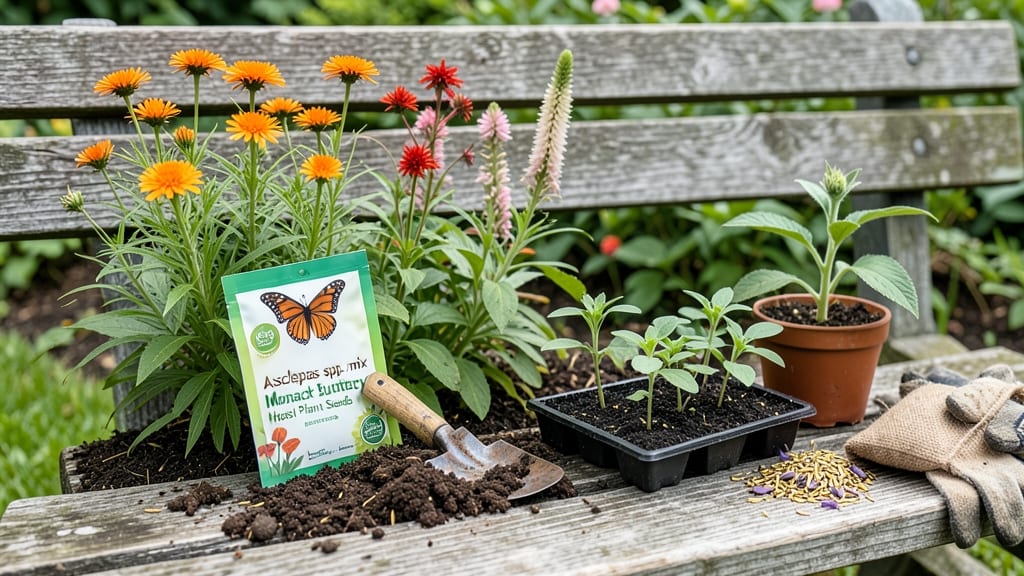
Planting a monarch seed mix transforms your yard into a butterfly superhighway by summer. 🌿 I’ve watched caterpillars munch through milkweed leaves and emerge as vibrant orange wings in just 60 days—it’s magic that starts with the right seeds and a little patience.
The mix includes milkweed (non-negotiable for monarchs) plus nectar plants like butterfly weed and coneflower to keep them lingering all season.
Start with full sun (at least 6 hours daily) and well-draining soil—monarchs won’t visit if their host plants struggle. Scatter seeds in early spring or late summer, press them lightly into the soil, and keep it moist until germination (about 10-21 days).
The key is consistency: monarchs return to the same spots year after year, so planting now means future generations will find your garden.
By mid-summer, you’ll see clusters of caterpillars skeletonizing milkweed leaves—it’s not destruction, it’s nature’s cycle. The flowers will attract hummingbirds too, and your yard becomes a buzzing, fluttering ecosystem. Just watch for aphids on new growth (a quick spray of soapy water fixes it) and avoid pesticides entirely.
This mix thrives in zones 3-9, whether in a sunny patch of lawn, a wildflower meadow, or even containers. The real reward? Knowing you’re part of the monarch’s survival story, one seed at a time. Let’s get those wings fluttering in your space.
📚 In This Guide
- What you need
- Instructions
- Tips and common mistakes
- Wrapping up and next steps
What you need
- ● Monarch seed mix: 1–2 lbs (or ~1 cup per 10 sq ft of planting area). Look for blends containing Asclepias (milkweed) seeds—the only host plant for monarch caterpillars—plus native wildflowers like Liatris, Echinacea, or Rudbeckia.
- ○ Native wildflower seeds (optional but recommended): Mix in 5–10% additional pollinator-friendly seeds (e.g., Salvia, Coneflower) for a diverse ecosystem.
- ● Well-draining soil: Test your soil’s pH (ideal: 6.0–7.5 for most milkweeds). Amend with compost if needed.
- ● Organic mulch: Straw or shredded leaves (2–3 inches) to retain moisture and suppress weeds.
- ● Garden tools: Hand trowel or transplanting spade
- ● Rake (for smoothing soil)
- ● Garden hose with a gentle spray nozzle
- ● Sunlight access: A full-sun location (6+ hours of direct sunlight daily). Monarchs love open, sunny spots!
- ● Watering schedule: Plan for consistent moisture (especially in the first 30 days).
- ○ Protective gear (optional): Gloves and a dust mask if handling large seed quantities.
- ● 🌡️ Timing: Plant seeds in early spring (March–April) or late summer (August–September) for optimal germination.
- ● ✨ Direct sowing: Skip transplants—monarch seeds thrive when planted directly in the ground.
- ● 🎯 Patience pays off: Milkweed seeds may take 2–3 weeks to sprout. Keep the soil moist until seedlings appear!
Step-by-Step guide to planting a monarch seed mix for pollinators
Here's how to create a thriving monarch garden in just two months—simple steps for maximum impact.
🌱 Step 1: Select the Perfect Planting Location
Monarchs need both nectar for adults and host plants for caterpillars. Choose a sunny spot receiving 6+ hours of direct sunlight daily—partial shade works, but full sun yields the most blooms. I always pick a location near existing pollinator-friendly plants, as monarchs follow established flight paths.
Test your spot by observing it for a week. If you notice other pollinators (like bees or butterflies) already visiting, that’s a great sign your garden will thrive. Avoid areas with strong winds or late-season frost pockets, as monarchs are sensitive to cold snaps even when established.
🪴 Step 2: Prepare the Soil for Strong Growth
Monarch seed mixes often include milkweed (the only host plant for monarch caterpillars) and nectar plants like coneflowers or asters. Loosen the soil to a depth of 6 inches with a garden fork or tiller, breaking up any compacted layers. Monarch roots need room to spread, especially milkweed, which can grow deep.
Work in 2-3 inches of compost or aged manure to enrich the soil without overwhelming it. Monarchs prefer well-draining soil—if your area stays soggy, amend with sand or perlite to improve drainage. A soil pH between 6.0 and 7.5 is ideal, so test your soil if possible. Most garden centers sell affordable pH test kits.
🌿 Step 3: Plant Seeds at the Right Depth and Spacing
Scatter seeds thinly—monarch seed mixes often contain tiny seeds, so I use a seed spreader or sprinkle them by hand while walking backward to avoid clumping. Press seeds into the soil just ¼ inch deep, as they need light to germinate. Lightly cover with a thin layer of soil or mulch to protect them from birds.
Space seeds 12-18 inches apart for milkweed (which grows tall) and 6-12 inches apart for nectar plants. Water gently but thoroughly after planting, ensuring the soil stays moist but not waterlogged. A fine misting nozzle helps prevent seeds from washing away. Label your rows if planting multiple varieties to track which plants are thriving.
☀️ Step 4: Maintain Moisture and Protect Young Plants
Keep the soil consistently moist for the first 4-6 weeks, as monarch seeds germinate slowly. Water deeply 2-3 times per week, aiming for 1 inch of water per week. Use a soaker hose or drip irrigation to avoid disturbing seedlings—monarch plants are delicate when young.
Watch for pests like aphids or slugs, which can decimate young milkweed. If you spot damage, treat with neem oil or insecticidal soap—both are safe for pollinators once applied correctly. Mulch around plants with straw or shredded leaves to retain moisture and suppress weeds. Avoid synthetic fertilizers, as they can harm monarchs.
⏰ Step 5: Encourage Blooms and Monitor for Monarchs
Once plants reach 6-12 inches tall, they’ll start producing flowers—this usually happens 6-8 weeks after planting. Deadhead spent blooms regularly to encourage more flowers, but leave some seed heads for late-season pollinators. Monarchs are drawn to purple, orange, and yellow flowers, so a mix of colors ensures they’ll visit.
Start scanning for monarchs in late summer, when they migrate through. Look for orange-and-black butterflies with distinctive white spots on their wings. If you see caterpillars (striped black, yellow, and white), you’ve succeeded—just avoid using pesticides! Provide a shallow dish of water with pebbles for adults to drink safely.
Tips & tricks for perfect monarch seed mix planting
Creating a thriving monarch garden takes thoughtful preparation—here's how to maximize your success from the very first steps.
Location Intelligence: Scout your chosen area for at least a week before planting. Monarchs follow established flight paths, so if you spot other pollinators like bees or hummingbirds visiting, that's your green light. I've seen monarchs completely ignore gardens planted in isolated spots with no existing pollinator traffic. Also, avoid planting near late-season frost pockets—monarchs are particularly sensitive to cold snaps that can damage tender young plants.
Soil Prep Secrets: The 6-inch deep soil loosening in Step 2 is crucial, especially for milkweed roots which can grow surprisingly deep. I've found that adding a thin layer of coarse sand or perlite to clay-heavy soils creates tiny air pockets that improve drainage without altering the soil structure dramatically. For pH testing, I recommend the liquid test kits—they're more accurate than the strip tests and give you results in just 15 minutes.
Seed Spreading Strategy: When scattering those tiny seeds in Step 3, I use a simple trick: mix them with a small amount of dry sand first. This helps distribute them more evenly and prevents clumping. For larger gardens, consider dividing the area into sections and planting different varieties in each—this creates a more diverse ecosystem that attracts monarchs at different life stages. Always press seeds just ¼ inch deep; any deeper and they won't germinate properly.
Watering Wisdom: The critical 4-6 week moisture window in Step 4 requires patience. I've learned that watering in the early morning (before 9 AM) prevents fungal growth that can harm seedlings. For containers, I use self-watering pots with saucers to maintain consistent moisture without overwatering. Remember, monarch seeds need to stay moist but not soggy—think of a well-wrung sponge rather than a dripping faucet.
Pro Tips for Monarch Seed Mix
- Creating a thriving monarch garden takes thoughtful preparation—here's how to maximize your success from the very fir...
- Location Intelligence: Scout your chosen area for at least a week before planting. Monarchs follow established flight...
- Soil Prep Secrets: The 6-inch deep soil loosening in Step 2 is crucial, especially for milkweed roots which can grow ...
Frequently asked questions
Got questions about creating a monarch seed mix haven?
You're not alone! Here are answers to the most common queries to help you get started with confidence.
When is the best time to plant monarch seed mix?
The ideal time to plant is in early spring (March–April) or late summer (August–September). Spring planting gives flowers time to establish before monarchs migrate, while late summer ensures blooms for fall travelers. Avoid planting in extreme heat or cold—aim for 50–75°F soil temps for best germination.
How long does it take for monarch seed mix to grow?
Most seeds in a monarch mix sprout within 7–21 days, but full blooms (and monarch magnet appeal!) typically appear in 60–90 days. Fast-growing annuals like milkweed (the must-have for monarchs) may flower in as little as 4–6 weeks, while perennials take longer. Patience pays off—monarchs will thank you!
Can I use monarch seed mix in containers or small spaces?
Monarch seed mixes work beautifully in containers, window boxes, or raised beds—just ensure they’re at least 6–12 inches deep for root growth. Choose compact varieties like Asclepias tuberosa (butterfly weed) or Lobelia siphilitica (great blue lobelia). Add a slow-release fertilizer to small pots to support nutrient needs.
What if monarchs don’t visit after planting?
Don’t worry—monarchs need three key things: milkweed (for laying eggs), nectar flowers (for fuel), and sunlight. If visits are slow, check for:
- Shade issues: Monarchs prefer full sun (6+ hours/day).
- Pesticides: Avoid herbicides/insecticides—they harm monarchs and pollinators.
- Location: Plant near water sources or other pollinator-friendly gardens.
Are there budget-friendly alternatives to pre-mixed monarch seed blends?
Yes! Create your own mix with these affordable staples:
Seed Type
Why It Works
Cost-Saving Tip
Common milkweed (Asclepias syriaca)
Host plant for monarch caterpillars
Buy in bulk from local nurseries or swap seeds with gardeners.
Coneflower (Echinacea)
Nectar-rich perennial
Save seeds from last year’s blooms for free!
Cosmos (Cosmos bipinnatus)
Fast-growing annual with high nectar
Order seeds in bulk online (cheaper per unit).
Wrapping up and next steps
Transforming your yard into a monarch magnet doesn’t have to be complicated—or expensive! With just a monarch seed mix, a little patience, and the right care, you can create a thriving pollinator haven in as little as 60 days. Whether you’re a gardening newbie or a seasoned green thumb, every patch of blooms helps monarchs thrive—and that’s something to celebrate! 🌸
Ready to take the next step? Start small: Grab your seed mix, pick a sunny spot, and plant with confidence. Watch as your garden becomes a buzzing, fluttering paradise—and share the joy with neighbors or local conservation groups.
Together, we can make a real difference, one seed at a time! 🌱✨