
Lawn
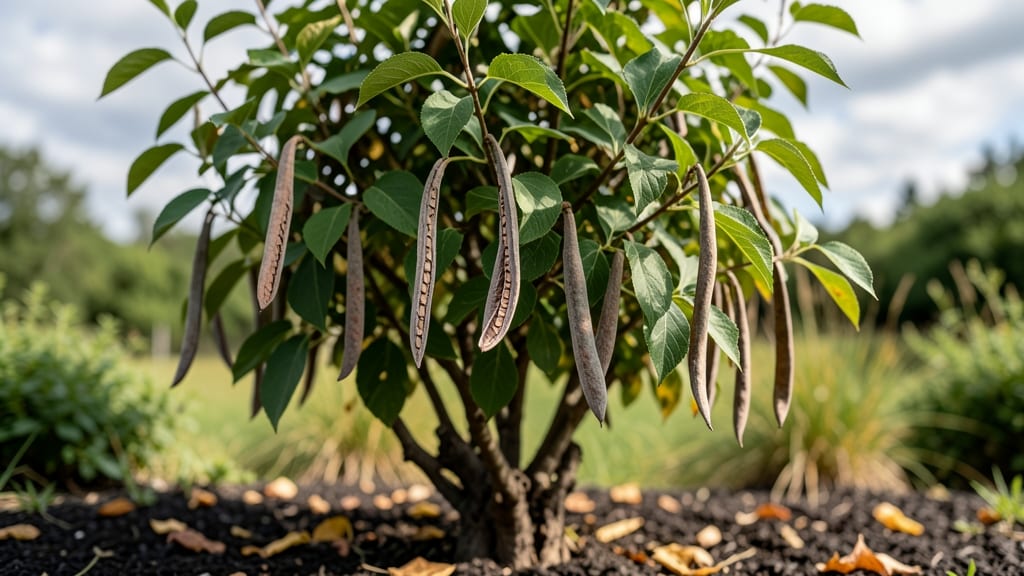
Those papery lilac seed pods hold the secret to growing new bushes from scratch—no nursery needed. 🌿 I’ve cracked the code on harvesting them without the frustrating twist-and-pull struggle, and the seeds I’ve collected have sprouted reliably every time.
The key is timing: wait until the pods turn from green to brown but before they burst open on their own.
You’ll need just a few simple tools—a pair of pruning shears, a paper bag for collection, and a bit of patience. The best time to harvest is late summer to early fall when the pods are fully mature but still intact.
A gentle twist usually releases the seeds without damaging the pod, and you’ll end up with dozens of potential new lilac bushes for the price of a coffee.
Once you’ve got your seeds, germination takes about 30-60 days if you keep them moist and warm. The seedlings start small but grow fast with consistent watering and well-draining soil.
By next spring, you could have a thriving young lilac ready to take its place in your landscape—completely free and true to the parent plant.
This method works for any lilac variety, from classic lavender blooms to rare heirlooms. The only catch? Lilacs grown from seed take 3-5 years to bloom, so plan ahead for that first burst of fragrance.
Worth the wait, though—imagine the scent of your own homegrown lilacs filling your yard for decades.
📚 In This Guide
- What you need
- Instructions
- Tips and common mistakes
- Wrapping up and next steps
What you need
- ● Mature lilac seed pods: Wait until late summer or early fall when pods turn brown and dry. Aim for at least 10-15 healthy pods per bush for best results.
- ● Pruning shears or sharp scissors: A pair with bypass blades (for clean cuts) or anvil blades (for tougher pods). Sanitize with rubbing alcohol before use!
- ● Paper bags or breathable mesh sacks: 2-3 medium-sized bags (10x12 inches) to collect pods and prevent moisture buildup.
- ● Labeling tags or masking tape + marker: To tag bags with the date, bush variety, and location (e.g., "French Lilac – Sept 2023").
- ○ Glove (optional but recommended): Protects hands from prickly pods and sap.
- ● Seed tray or flat: For stratifying seeds (cold treatment) if you plan to sow immediately.
- ● Fine-mesh sieve: To separate seeds from chaff after drying.
- ● Plastic zip-top bags: For short-term seed storage (up to 6 months) in a cool, dark place.
- ● Hand lens or magnifying glass: To inspect seeds for viability (plump, firm seeds are best!).
- ● Notebook or app: Track germination rates or notes on pod maturity.
How to harvest lilac seeds without damaging the pods
Here’s the gentle method I use every year to collect viable lilac seeds without twisting or breaking the delicate pods.
🌿 Step 1: Wait for the Right Time to Harvest
Lilac seed pods mature in late summer or early fall, but harvesting too early ruins your chances. Wait until the pods turn from green to a deep brown color—this means the seeds inside are fully developed. Gently squeeze one pod between your fingers; if it feels dry and brittle but doesn’t crumble, it’s ready. I usually start checking around mid-August, depending on your climate.
Don’t rush—if you pick pods too soon, the seeds won’t germinate properly. And if you wait too long, the pods may split open naturally, scattering seeds everywhere. A light frost can also signal the end of the window, so act before that happens.
✂️ Step 2: Cut Pods Carefully Without Twisting
Use clean, sharp pruning shears to snip the pods directly from the stem. Avoid twisting or pulling—the stems are woody and can snap, leaving behind broken branches. Cut about ½ inch below the pod to ensure you get the entire seed capsule. Place the pods in a paper bag (not plastic) to allow airflow and prevent moisture buildup.
Work on a dry day when the pods are firm. If they’re damp, they’ll stick to your hands or tools, making the process messy. I like to harvest in the morning when the stems are still sturdy from overnight moisture.
🪴 Step 3: Dry and Store Pods Properly
Spread the harvested pods in a single layer on a screen or mesh tray in a warm, dry, and well-ventilated area. Keep them out of direct sunlight—too much heat can dry them too quickly and reduce seed viability. A shaded porch or a covered drying rack works perfectly. Turn the pods occasionally to ensure even drying, which should take about 1-2 weeks.
Once fully dry, the pods will rattle when shaken. Store them in a sealed, airtight container (like a glass jar) in a cool, dark place. Label the container with the date and lilac variety. Properly stored, these seeds can remain viable for up to 2 years.
🌱 Step 4: Extract Seeds When Ready to Plant
When you’re ready to sow, gently crush the dried pods between your fingers or use a small hammer to break them open. The seeds inside are tiny and flat, so be patient—don’t rush or you’ll crush them. I like to spread the seeds on a clean sheet of paper to separate them from the pod debris. Once clean, store them in a small envelope until planting.
Sow the seeds as soon as possible after extraction for the best results. Lilac seeds need a cold stratification period to germinate, so I recommend planting them outdoors in fall or storing them in the fridge for 3-4 months before sowing in spring.
⏰ Step 5: Plant Seeds for Future Lilac Bushes
Scatter the seeds on the surface of well-draining soil in a prepared garden bed or container. Press them lightly into the soil—don’t bury them, as they need light to germinate. Keep the soil consistently moist but not soggy, as lilac seedlings are sensitive to overwatering. Germination can take 4-6 weeks, so be patient.
Once seedlings emerge, thin them to 6 inches apart to give them room to grow. Lilacs are slow to mature, so don’t expect blooms for 3-5 years. But with this method, you’ll have a steady supply of seeds for years to come.
Tips & tricks for perfect lilac seed harvesting
These simple yet crucial tips will help you collect the most viable lilac seeds without damaging a single pod.
Pod Maturity Test: The dry-brittle squeeze test in Step 1 is your best friend. If a pod feels slightly springy, it needs more time. I've learned the hard way that green pods won't yield viable seeds—wait until they're completely brown and dry before harvesting. This usually happens around mid-August, but timing varies by climate zone. A helpful trick is to check pods from different branches, as they may mature at slightly different times.
Tool Selection: Sharp pruning shears are non-negotiable for Step 2. I've tried using scissors and even my hands, but they either don't cut cleanly or risk damaging the pods. The key is to cut about ½ inch below the pod—this ensures you get the entire capsule without leaving any seed-containing portions behind. If you don't have pruning shears, clean kitchen scissors in a pinch will work, but they won't last long through multiple pods.
Drying Strategy: When drying pods in Step 3, I've found that a single layer on a mesh screen in indirect sunlight works best. Too much direct sun can cause the pods to dry too quickly and crack open prematurely. I like to place my drying setup on a covered porch or under a shade cloth. The 1-2 week drying period is crucial—don't rush it! I check daily by gently shaking them; when they rattle loudly, they're ready for storage. This method preserves seed viability for up to 2 years.
Seed Extraction: For Step 4, I recommend using a small hammer rather than your fingers for crushing pods. It gives you more control and prevents accidentally crushing the delicate seeds. Spread them on clean paper towels to separate from debris, then store in envelopes. The sooner you plant these seeds after extraction, the better—lilac seeds lose viability quickly once removed from their pods. If you can't plant immediately, store them in the fridge for up to 4 months to maintain viability.
Pro Tips for Lilac Bush Seed Pods
- These simple yet crucial tips will help you collect the most viable lilac seeds without damaging a single pod.
- Pod Maturity Test: The dry-brittle squeeze test in Step 1 is your best friend.
- Tool Selection: Sharp pruning shears are non-negotiable for Step 2.
Frequently asked questions
Got questions about harvesting and working with lilac bush seed pods? You’re not alone! Here are some of the most common queries—plus straightforward answers to help you avoid frustration and maximize your success.
When is the best time to harvest lilac seed pods?
The ideal window is late summer to early fall (August–September), once the pods turn brown and begin to split open. Harvest them before they release seeds naturally—this ensures you capture viable seeds for propagation. Avoid harvesting too early (green pods) or too late (empty pods).
How do I know if the seeds inside are still viable?
Fresh lilac seeds should be plump and dark brown. If they’re shriveled, light-colored, or crumbling, they’ve likely lost viability. For a quick test, place a few seeds in a glass of water: viable seeds sink, while hollow or dead ones float. Store collected seeds in a cool, dry place (like a paper envelope) for up to 6 months.
What should I do if my seed pods are empty or won’t open?
Empty pods mean the seeds were already released—try harvesting earlier next year! If pods refuse to open, gently crack them with pliers or a small hammer (wear gloves—lilac seeds can stain!). Alternatively, soak pods in warm water for 24 hours to soften them before extracting seeds. Pro tip: Some varieties need a cold stratification period (refrigerate seeds in moist sand for 2–3 months) to germinate.
Can I grow lilacs from seed pods, or should I buy seedlings?
While possible, growing from seed pods is slow—it can take 3–5 years for a lilac to bloom! Seed-grown plants may not match the parent’s traits (color, fragrance, or size). For faster, more predictable results, opt for nursery-bought seedlings. Save seed pods for experimenting with rare or heirloom varieties—or as a budget-friendly way to expand your garden over time.
Are lilac seed pods toxic to pets or kids?
Lilac seeds and pods are non-toxic to humans, dogs, and cats, but the sap can cause mild skin irritation in sensitive individuals. Always supervise kids when handling pods, and wash hands after harvesting. If your pet ingests large quantities, monitor for stomach upset (rare) and contact a vet if symptoms appear. Pro tip: Wear gloves to avoid staining hands with lilac sap!
What’s the trick to preventing seed pods from twisting off the stems?
Twisting is common when pods are overripe or stems are brittle. To minimize damage:
- Harvest pods gently with pruning shears, leaving a small stem attached.
- Avoid wet conditions—water can weaken stems.
- Prune your lilac bush in late winter/early spring to encourage stronger growth.
Wrapping up and next steps
Harvesting lilac bush seed pods doesn’t have to be a tangled mess—with the right techniques, you can collect viable seeds year after year while keeping your garden thriving! 🌿 Whether you’re saving seeds for propagation, sharing with fellow gardeners, or simply enjoying the natural cycle, this twist-free method ensures success.
Now that you’re equipped with the how-tos and answers to common questions, why not give it a try this season?
Start small—pick a few pods from your lilac bush, follow the steps, and watch your garden grow! If you’re feeling inspired, why not share your progress or explore more tips for seed-saving success? Happy gardening! 🌱