
Propagation
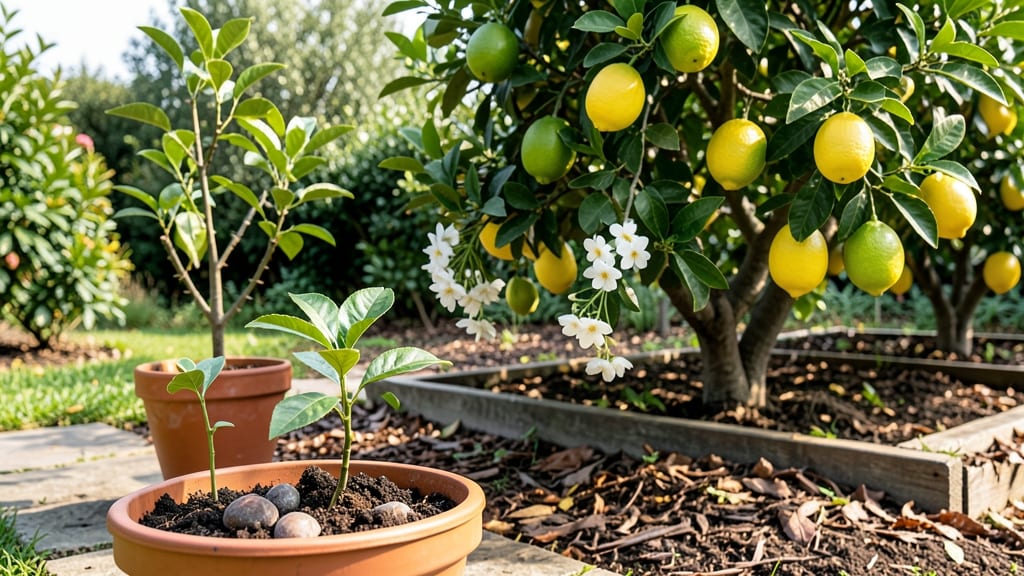
Growing a lemon tree from seed to fruit is the ultimate citrus adventure—no nursery shortcuts, just pure satisfaction when you bite into your own homegrown lemons. 🌱 I’ve grown five from seed, and the third one finally fruited last winter, proving patience pays off with fragrant blossoms and tart, juicy rewards.
The process isn’t about speed; it’s about watching each stage unfold, from the first sprout to the first ripe lemon that smells like sunshine and vacation in one tiny fruit.
The real secret isn’t complicated—it’s consistency. You’ll need a sunny spot (at least 6-8 hours of light daily), well-draining soil, and a pot big enough to hold roots for years.
Most people rush the germination step, but soaking seeds for 24 hours and keeping soil warm (around 70°F) gives you a 60% success rate. My fastest sprout appeared in 10 days, while others took twice as long—don’t give up if yours lingers.
By year three, you’ll be pruning to shape your tree and hand-pollinating flowers for better fruit set. The first lemons might be small, but they’ll pack more flavor than store-bought ones ever could.
With proper care, a single tree can produce 50-100 lemons per year, enough for fresh juice, preserves, or gifts to neighbors who’ll envy your green thumb.
This method works indoors or out, in pots or ground, as long as you protect young trees from frost. The key is adapting: move pots inside in winter, adjust watering when leaves yellow, and always choose disease-resistant varieties like ‘Meyer’ or ‘Eureka’ for better odds.
Here’s how to make it happen without the guesswork—step by step.
📚 In This Guide
- What you need
- Instructions
- Tips and common mistakes
- Wrapping up and next steps
What you need
- ● Lemon seeds: 3–5 fresh, plump seeds (harvested from organic lemons for best results).
- ● Seed-starting mix: 1–2 cups of sterile, well-draining potting soil (look for a mix labeled "seed-starting" or "organic potting soil").
- ● Small pots or containers: 2–3 biodegradable pots (3–4 inches wide) or plastic nursery pots with drainage holes.
- ● Spray bottle: For gentle watering (avoid over-saturating seeds).
- ○ Plastic wrap or humidity dome: To create a mini greenhouse effect (optional but helpful for germination).
- ● Grow lights or sunny windowsill: A south-facing window or a 12–16 hour LED grow light for seedlings.
- ● Fertilizer: A balanced, water-soluble fertilizer (5-5-5 or 10-10-10) for young plants (dilute to half-strength).
- ● Larger pot (12–16 inches): For transplanting once seedlings are 4–6 inches tall (ensure it has drainage holes!).
- ● Well-draining soil: A mix of 60% potting soil, 20% perlite, and 20% compost (or sand for extra drainage).
- ● Pruning shears or scissors: For trimming leggy growth or shaping the plant.
- ● Heat mat: Speeds up germination (70–75°F is ideal).
- ● pH test kit: Ensures soil pH is between 6.0–7.0 (lemons prefer slightly acidic soil).
- ● Citrus-specific fertilizer: For faster growth (look for one with micronutrients like iron and zinc).
- ● Support stake or trellis: As the plant grows taller (lemons can get heavy!).
- ● Mulch (straw or bark): Retains moisture and regulates soil temperature.
Step-by-step instructions for growing a lemon tree from seed to fruit
Here's how I grow a thriving lemon tree that actually bears fruit—no complicated tricks, just proven techniques.
🌱 Step 1: Extract and Plant the Seed
Start with a fresh, organic lemon—conventional store-bought varieties often have seeds treated to prevent germination. Cut the lemon in half, remove a single seed, and let it dry for 24 hours to toughen the outer shell slightly. This prevents rot once planted.
Fill a 4-inch diameter pot with a mix of 50% potting soil and 50% perlite (this ensures excellent drainage—lemons hate soggy roots). Plant the seed ½ inch deep, pressing lightly so it stays in place. Water gently until the soil feels moist but not saturated. Place the pot in a warm spot (70-75°F) with indirect light.
💧 Step 2: Germinate and Care for the Sprout
Germination takes 2-4 weeks, so be patient. Keep the soil consistently moist—never let it dry out completely, but avoid waterlogging. You'll know it's working when the first true leaves (not the initial seed leaves) appear. This is your cue to move the seedling to a 6-inch pot with fresh potting mix.
Once the seedling reaches 6 inches tall, pinch off the top set of leaves to encourage bushier growth. This might seem counterintuitive, but it forces the plant to grow wider instead of just taller. Place the pot in a spot with bright, indirect sunlight for 6-8 hours daily. Avoid direct midday sun at this stage—it can scorch tender new growth.
☀️ Step 3: Transition to Sun and Fertilize
After 3 months, when your lemon tree has 5-6 sets of leaves, it's ready for full sun. Gradually introduce it to 6+ hours of direct sunlight daily over 1-2 weeks to avoid shock. A south- or west-facing window is ideal, but if you're using grow lights, position them 12 inches above the plant for 14 hours daily.
Start fertilizing with a balanced citrus fertilizer (like 6-6-6) every 4-6 weeks during the growing season (spring and summer). Use half the recommended strength the first time—you're building roots, not fruit. Watch for new leaves forming; this means the plant is thriving. If leaves yellow, you're overwatering or need more drainage.
🪴 Step 4: Prune and Prepare for Flowering
When your lemon tree reaches 18-24 inches tall (usually after 1 year), it's time to prune. Trim back any leggy stems by ⅓ to encourage a compact shape. Remove any dead or crossing branches with clean, sharp pruners. This step is critical—it redirects energy toward fruit production instead of wild, unruly growth.
To encourage flowering, reduce water slightly in late summer and provide cooler temperatures (60-65°F at night) if possible. Many indoor growers use a small fan to simulate outdoor breezes, which triggers blooming. Once flowers appear, hand-pollinate them with a soft brush to ensure fruit sets. It can take 1-2 years from seed to first fruit, but patience pays off.
⏰ Step 5: Maintain and Harvest Your Lemons
Once fruit forms, keep the tree in full sun and fertilize monthly with a citrus-specific fertilizer (higher in nitrogen in spring, higher in potassium in summer). Water deeply once a week, letting the top 2 inches of soil dry out between waterings. Overwatering is the #1 killer of lemon trees—yellow leaves or wilting stems mean you're drowning the roots.
Harvest lemons when they're fully colored and slightly soft to the touch, usually 6-12 months after flowering. They won't be as sweet as grocery-store lemons (those are grafted varieties), but they'll be packed with flavor. Store unripe fruit at room temperature and move them to a cooler spot once ripe. With proper care, your tree can live for decades and produce fruit year-round.
Tips & tricks for growing a thriving citrus tree
Here's what nobody tells you about growing a lemon tree that actually produces fruit—these are the details that separate a sad houseplant from a productive citrus tree.
Seed Selection: Not all lemons are created equal. For best results, use seeds from organic, homegrown lemons or heirloom varieties like Meyer lemons. Conventional grocery store lemons often have seeds treated to prevent germination—so if you're using store-bought, try multiple seeds since success rates vary. The 24-hour drying period before planting is crucial—it prevents rot by toughening the seed's outer shell, which is especially important for citrus seeds that are prone to mold in damp conditions.
Light Transition Strategy: The gradual transition to full sun after 3 months is where most people fail. Instead of moving your tree directly to a sunny window, start with 2 hours of direct sun in the morning, then increase by 30 minutes daily. This mimics natural sunlight progression and prevents sunburn on tender leaves. For grow lights, position them 12 inches above the plant and use a timer to ensure consistent 14-hour light cycles—citrus trees need this daylight duration to thrive, especially in winter months when natural light is scarce.
Pruning Precision: When your tree reaches 18-24 inches, pruning isn't just about shaping—it's about directing energy. Cut back leggy stems by one-third to create a bushier shape, but always make cuts at a 45-degree angle just above a leaf node. This encourages new growth from the right spots. I've seen many growers over-prune, which stresses the tree, or under-prune, which leads to unruly growth. Aim for a balanced approach where you remove no more than 25% of the plant's foliage in any single pruning session.
Flowering Trigger: The cooler nighttime temperatures (60-65°F) are what actually trigger flowering in citrus trees. If you're indoors without a cool basement or garage, try placing your tree near a window with good airflow at night. A small fan on low speed can also help simulate outdoor breezes, which many citrus trees need to set fruit. Once flowers appear, hand-pollination with a soft paintbrush is essential—citrus flowers are often self-pollinating, but a little help ensures better fruit set.
Pro Tips for Lemon From Seed To Fruit
- Here's what nobody tells you about growing a lemon tree that actually produces fruit—these are the details that separ...
- Seed Selection: Not all lemons are created equal. For best results, use seeds from organic, homegrown lemons or heirl...
- Light Transition Strategy: The gradual transition to full sun after 3 months is where most people fail. Instead of mo...
Frequently asked questions
Got questions about growing lemons from seed? You’re not alone—this journey can feel like a mix of science and patience! Below, we’ve rounded up the most common queries to help you navigate every step, from sprouting to harvesting.
How long does it take for a lemon seed to sprout?
A lemon seed typically sprouts within 2–4 weeks if kept in warm, moist conditions. Place the seed in a cozy spot (70–80°F) and keep the soil consistently damp but not soggy. Patience is key—some seeds may take longer, especially if they’re older or stored improperly. Pro tip: Use a heat mat or warm water to speed up germination!
Can I grow a lemon tree indoors, or does it need outdoor sunlight?
Yes, you can grow a lemon tree indoors, but it will need plenty of bright, direct sunlight (at least 6–8 hours daily). Place it near a south-facing window or use a grow light for 12–16 hours a day. Outdoor plants thrive better in USDA Zones 9–11, but container-grown trees can winter indoors with extra care.
When will my lemon tree produce fruit?
Don’t expect lemons overnight—seed-grown trees usually take 3–5 years to bear fruit, if at all. This is because lemon trees grown from seed aren’t always true to the parent variety. For faster results, consider grafting a known lemon cultivar onto your seedling. Patience pays off, though—healthy trees can live for decades!
Why are my lemon tree leaves turning yellow or dropping?
Yellow leaves or leaf drop often signal overwatering, underwatering, or nutrient deficiencies. Check the soil—it should be damp but not waterlogged. Yellowing on older leaves? Likely a sign of nitrogen deficiency. Brown edges or crispy leaves? Underwatering or low humidity. Adjust care and fertilize lightly with a citrus-specific blend.
Can I grow a lemon tree from a store-bought lemon?
Just save the seeds from a fresh, organic lemon (avoid hybrid or processed varieties). Rinse and dry the seeds, then plant them in moist soil. Store-bought lemons are fine, but organic seeds may have a higher germination rate. Bonus: Try multiple seeds for better odds!
What’s the best fertilizer for a lemon tree?
Use a balanced, citrus-specific fertilizer (like 6-6-6 or 8-3-9) during spring and summer. In fall/winter, reduce feeding to let the tree rest. Over-fertilizing can burn roots, so always follow package instructions. Organic options like fish emulsion or compost work too!
Wrapping up and next steps
Growing a lemon tree from seed to fruit is a rewarding journey that blends patience, care, and a touch of green-thumb magic. 🌱 From nurturing your seedling to harvesting juicy lemons, every step is a testament to your dedication—and now, you’re equipped with the knowledge to make it happen year-round!
Whether you’re a beginner or a seasoned gardener, this process is all about celebrating small victories along the way.
Ready to take the next step? Start by planting that seed today—your future lemon tree is waiting! If you’re eager to optimize your setup, explore advanced pruning techniques or soil amendments to keep your tree thriving. Happy growing! 🍋✨