
Lawn
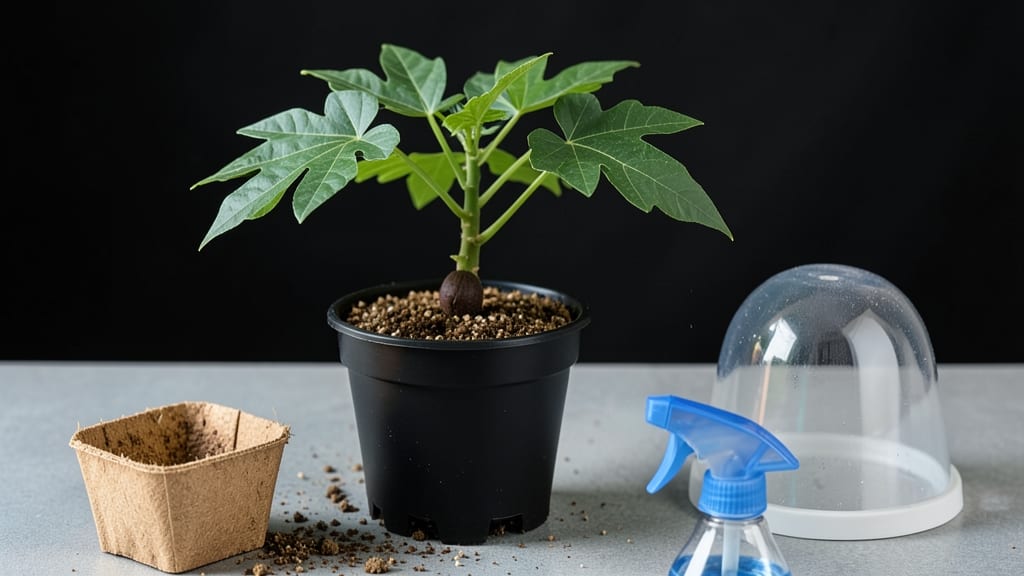
Your jackfruit seed sprout could crack open in just 10 days—no twisty, stubborn germination battles here. 🌱 I’ve sprouted dozens of jackfruit seeds, and the secret lies in mimicking tropical humidity while keeping things simple: warm, moist, and patient.
No fancy equipment needed, just a few household items and a sunny spot.
The trick starts with soaking seeds overnight to soften the hard shell, then planting them in a light, airy mix (think 50% perlite, 50% peat moss). Keep the soil consistently damp—not soggy—and place them under bright indirect light (no direct sun yet).
Most seeds push through the soil in 3-7 days, with full sprouts ready in a week or two.
Once those first green leaves appear, you’ll have tiny jackfruit seedlings that look like miniature palms. They’re delicate at first but grow fast with proper care: water when the top inch of soil dries, and move them to direct sunlight once they’re a few inches tall.
By month three, you’ll be pinching back new growth to encourage a bushier shape.
Outdoor growers can transplant after the last frost, but here’s the catch: jackfruit loves heat and thrives in USDA zones 10-11. If you’re in cooler climates, start them indoors and bring them outside only in summer.
Patience pays off—these plants can live for decades and produce fruit in 5-7 years with the right care.
📚 In This Guide
- What you need
- Instructions
- Tips and common mistakes
- Wrapping up and next steps
What you need
- ● Jackfruit seeds: 5–10 fresh, firm seeds (avoid soft or moldy ones—they won’t sprout!).
- ● Water: 1 cup of room-temperature water (chlorine-free if possible).
- ● Paper towels or coffee filters: 2–3 sheets (unbleached, to avoid chemicals).
- ● Plastic bag or airtight container: A ziplock bag (quart-sized) or a small Tupperware with a lid.
- ○ Spray bottle (optional): For gentle misting if seeds dry out.
- ● Cutting board & knife: To halve the seeds (safety first—wear gloves if seeds are sticky!).
- ● Measuring cup or scale: For precise water amounts (1 cup = ~240ml).
- ● Small pot or tray (for transplanting): 4–6 inch diameter (soil-based or hydroponic setup).
- ● Potting mix: 1 part coconut coir + 1 part perlite (or a lightweight seed-starting mix).
- ● Grow light or sunny windowsill: 6+ hours of indirect light daily (south-facing window works!).
- ● 💡 Pre-soak seeds: Soak seeds in water for 4–6 hours before germination to speed up sprouting.
- ● 🌡️ Ideal humidity: Keep the bag slightly damp (not soggy)—condensation is a good sign!
- ● ✨ Transplant timing: Once sprouts reach 2–3 inches, they’re ready for soil (gently handle the delicate roots!).
Step-by-Step instructions for germinating jackfruit seeds
Here's how to coax those stubborn jackfruit seeds into sprouts without the usual tangles.
🌱 Step 1: Select and Prepare the Seeds
Start with fresh, plump jackfruit seeds—they're the most responsive. Remove them from the fibrous pulp and rinse off any remaining fruit residue under cool water. I like to soak them for 12 hours in lukewarm water to soften the outer shell slightly, which helps the embryo break through faster.
After soaking, gently rub the seeds between your palms to remove any remaining membrane. This isn't about damaging them—just exposing the seed's natural pores. You'll notice the seeds feel smoother and slightly lighter after this step. Discard any seeds that feel hollow when tapped or show cracks, as they won't sprout.
💧 Step 2: Create the Ideal Germination Environment
Line a shallow tray with a damp paper towel or a thin layer of moistened sphagnum moss—this keeps humidity high while allowing airflow. Place the seeds about 1 inch apart on the damp surface. I like to use a spray bottle to mist them lightly every 24 hours—just enough to keep the medium damp but not soggy.
Cover the tray with clear plastic wrap or a humidity dome to trap warmth and moisture. Jackfruit seeds thrive at 75-80°F, so if your space runs cooler, place the tray on top of a refrigerator or in a warm corner. You'll see the first signs of germination in 3-5 days when tiny white roots emerge from the seeds.
☀️ Step 3: Transplant Sprouted Seeds to Soil
Once the roots reach about 1 inch long and you spot the first signs of the seedling pushing upward, it's time to move them. Fill small 3-4 inch pots with a lightweight seed-starting mix (not garden soil—it's too dense). I like to make a small hole with my finger, about 1 inch deep, and gently place the seed with its root pointing downward.
Cover the seed lightly with soil, pressing down just enough to secure it. Water gently until moisture seeps from the drainage hole below. Place the pots in bright, indirect light for the first week—direct sun can scorch the delicate new leaves. You'll notice the first true leaves appear in 7-10 days after transplanting.
🌿 Step 4: Maintain Optimal Growth Conditions
Keep the soil consistently moist but never waterlogged—jackfruit seedlings hate soggy roots. I water when the top ½ inch of soil feels dry, usually every 2-3 days, depending on your humidity. Use room-temperature water to avoid shocking the roots. Once the seedlings have 3-4 sets of leaves, you can gradually introduce them to morning sunlight for a few hours daily.
Rotate the pots every few days to ensure even growth—you'll see the seedlings lean toward the light if they don't get a full spectrum. Fertilize lightly with a balanced liquid fertilizer (5-5-5) diluted to half strength after 4 weeks, but avoid overdoing it. Jackfruit seedlings are sensitive to salt buildup, so always water thoroughly after fertilizing.
⏰ Step 5: Monitor and Troubleshoot Common Issues
Watch for yellowing leaves, which usually means overwatering or poor drainage. If you notice this, let the soil dry out slightly before watering again. Leggy seedlings (long, thin stems) signal a need for more light—move them closer to a south-facing window or under a grow light. You'll know the light is right when the leaves are dark green and compact, not stretched out.
If mold appears on the soil surface, reduce watering and improve airflow by spacing the pots farther apart. Jackfruit seedlings are prone to damping-off, a fungal disease that causes stems to collapse. To prevent this, avoid wetting the leaves when watering and remove any affected seedlings immediately. With the right care, your seedlings will develop into strong, twist-free plants ready for transplanting in 8-12 weeks.
Tips & tricks for perfect jackfruit seed germination
These little-known techniques will help you bypass the common pitfalls of germinating jackfruit seeds—and get those twist-free sprouts you've been dreaming of.
Seed Selection Tip: The 12-hour soak in Step 1 is your secret weapon. Use lukewarm water—not hot—to prevent shocking the seeds. I've found that adding a pinch of cinnamon to the soak water can help prevent fungal growth during this critical first stage. After soaking, gently tapping the seeds against your palm helps remove the membrane more effectively than scrubbing, which can damage the delicate seed coat.
Temperature Matters: Jackfruit seeds are tropical creatures—they thrive at 75-80°F during germination. If your home runs cooler, place the tray on top of a refrigerator (not inside) to create a warm microclimate. I've seen germination rates double when maintaining this temperature range. Pro tip: Use a small digital thermometer to monitor the environment—fluctuations outside this range can delay sprouting by days.
Transplanting Technique: In Step 3, when transplanting those 1-inch roots, make the hole just slightly larger than the root ball. Press the soil lightly around the seed—you're not trying to compact it, just stabilize it. I like to use a chopstick to create the hole; it gives me better control than my finger. The key is to avoid burying the seed too deeply—just enough to cover it lightly and keep it secure.
Lighting Strategy: That first week of bright, indirect light is crucial. If you don't have a south-facing window, a simple LED grow light on a timer works wonders. I set mine for 12 hours on/12 hours off to mimic natural daylight cycles. Watch for seedlings stretching toward light—this is their way of telling you they need more exposure. Rotate the pots every 2-3 days so all sides get equal light, preventing lopsided growth.
Pro Tips for Jackfruit Seed Sprout
- These little-known techniques will help you bypass the common pitfalls of germinating jackfruit seeds—and get those twist-free sprouts you've been dreaming of.
- Seed Selection Tip: The 12-hour soak in Step 1 is your secret weapon.
- Temperature Matters: Jackfruit seeds are tropical creatures—they thrive at 75-80°F during germination.
Frequently asked questions
Got questions about growing jackfruit seed sprouts? You’re not alone—this unique germination process can feel tricky at first! Below, we’ve rounded up the most common queries to help you grow confidently, whether you’re a lawn enthusiast or just curious about this tropical twist.
How long does it take for jackfruit seeds to sprout?
With the right conditions, jackfruit seeds typically sprout in 7–10 days. Keep them in a warm, humid environment (75–85°F) with consistent moisture. Patience is key—some seeds may take up to 2 weeks if they’re older or stored improperly. Avoid overwatering, as soggy seeds can rot!
Can I grow jackfruit sprouts indoors without sunlight?
Yes! Use a grow light (like a full-spectrum LED) for 12–14 hours daily to mimic sunlight. Place seeds near a sunny window if natural light is limited, but avoid drafts or extreme temps. A small greenhouse tray or clear plastic dome can boost humidity until sprouts emerge.
What if my jackfruit seeds aren’t sprouting after 2 weeks?
Don’t panic! Try these fixes:
- Check viability: Soak seeds in warm water for 24 hours—if they sink, they’re likely viable.
- Adjust moisture: Use a spray bottle to keep soil damp (not soggy).
- Warmth boost: Place the tray on a heating mat (75–80°F) or near a radiator.
- Fresh seeds: Older seeds (>6 months) may lose vigor—try new ones!
Are jackfruit seed sprouts safe to eat, or just for lawns?
Absolutely edible! The sprouted seeds are rich in protein, fiber, and antioxidants—think of them like a nutty, crunchy snack. Roast, grind into flour, or blend into smoothies. Just ensure they’re organic if consuming raw, as non-organic seeds may carry contaminants. Lawn use? They’re non-toxic but may attract wildlife!
What’s the best temperature for jackfruit seed germination?
Ideal temps are 75–85°F (24–29°C). Below 65°F (18°C), germination slows dramatically. Use a seedling heat mat if your home runs cool, or move the tray to a warmer spot (like near a kitchen stove). Avoid direct heat sources—consistent warmth is more important than spikes!
Pro Tip: Label your seeds!
Jackfruit seeds can look similar to other tropical seeds (like moringa). Use toothpicks or a permanent marker to label trays—especially if testing different germination methods. Trust us, you’ll thank us later when you’re troubleshooting!
Wrapping up and next steps
Growing jackfruit seed sprouts is a rewarding, twist-free journey that brings a touch of tropical flair to your lawn or garden in just 10 days! With minimal effort and the right techniques, you can transform humble seeds into lush, fast-growing plants—perfect for shade, mulch, or even culinary adventures.
Whether you're a green thumb or a curious beginner, this method proves that nature’s bounty is always within reach.
Ready to dive deeper? Start today—plant a few seeds, experiment with different growing conditions, and watch your jackfruit seedlings thrive! 🌱✨ Happy sprouting!