
Propagation
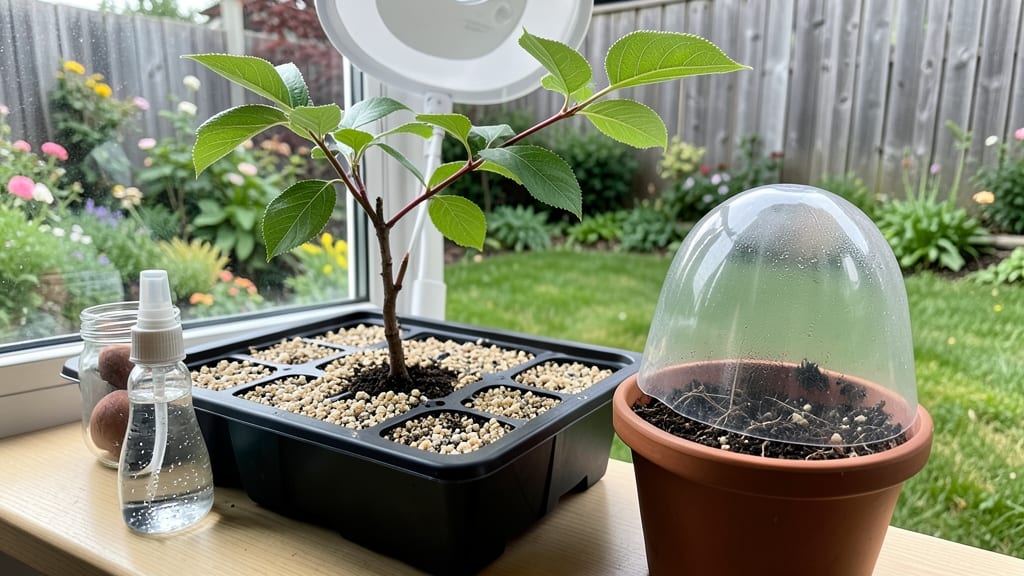
Growing peaches from seed indoors gives you a head start on a fruit tree that could one day bear fruit in your backyard—if you’re willing to wait. 🌱 The key to success lies in speeding up germination with warmth, which is where most beginners stumble.
I’ve learned that peach pits need consistent moisture and heat to break dormancy, and doing it indoors lets you control those conditions perfectly.
You’ll need a warm spot (like on top of the fridge), a small pot with drainage, and a mix of potting soil and perlite to keep roots from sitting in soggy soil.
Germination can take 4-8 weeks, but with the right setup, you’ll see those first tiny shoots pushing through the soil faster than you’d expect. Patience is key here—these seedlings won’t be ready for transplanting outside for years, but the journey starts with that first green sprout.
The reward? A tree that’s genetically unique to your peach seed, with the potential to produce fruit unlike anything you’d find at the store. Just imagine the satisfaction of watching a seed you planted indoors grow into a full-sized tree in your garden.
The process teaches you so much about plant resilience and the magic of nature’s timeline.
This method works best in early spring, giving seedlings a strong start before they’re ready to face the elements. If you’re in a cooler climate, you might even keep them indoors for their first winter.
The trick is balancing warmth, light, and gradual hardening off—once you get the hang of it, you’ll be hooked on growing fruit trees from seed.
📚 In This Guide
- What you need
- Instructions
- Tips and common mistakes
- Wrapping up and next steps
What you need
- ● Peach pit (seed): 1-2 fresh, firm pits from ripe peaches (avoid soft or moldy ones!)
- ● Paper towels or coffee filters: 2-3 sheets (for pre-sprouting)
- ● Plastic bag or container with a lid: Small, sealable (e.g., ziplock bag or Tupperware)
- ● Spray bottle: 1 (for gentle misting)
- ● Small pots or seed trays: 2-3 (4-6 inches in diameter with drainage holes)
- ● Well-draining potting mix: 1 bag (lightweight, seed-starting blend with perlite or vermiculite)
- ○ Heat mat or warm spot: 1 (optional but highly recommended for faster germination—aim for 70–85°F)
- ● Grow lights or sunny windowsill: Access to 6+ hours of indirect light daily (south-facing window or LED grow lights work best)
- ● Humidity dome or plastic wrap: 1 (to retain moisture during germination)
- ● Seed scarification tools: Sandpaper (fine-grit) or a knife (to nick the pit’s hard shell)
- ● Fungicide: 1 bottle (to prevent mold, especially in humid conditions)
- ● Fertilizer: Balanced liquid fertilizer (diluted to half-strength) for seedlings
- ● Moisture meter: 1 (to check soil hydration without overwatering)
- ● Trellis or small stakes: 1-2 (for supporting future growth as the plant matures)
Step-by-step instructions for growing peach trees from seed indoors
Here’s how to jumpstart peach seeds with warmth tricks—no waiting months for germination.
🌱 Step 1: Select and Prepare the Seeds
Pick a fresh, plump peach pit from a ripe fruit—avoid bruised or cracked ones. Rinse it clean to remove any fruit residue, then let it dry completely for 24 hours. This prevents mold. I like to wrap the pit in a paper towel and place it in a sealed bag in the fridge for 8-12 weeks to break dormancy. This cold stratification mimics winter and speeds up germination once you bring it indoors.
After stratification, soak the pit in warm water for 24 hours to soften the hard shell. This step is key—it helps the seedling break through faster. Don’t skip it, or you’ll wait weeks longer for sprouts. Once soaked, you’re ready to plant.
💧 Step 2: Plant and Provide Warmth for Germination
Fill a small pot (3-4 inches deep) with moist potting mix—I use a blend of 50% peat moss and 50% perlite for drainage. Press the peach pit 1 inch deep into the soil, leaving the pointed end up. Water lightly until the soil feels damp but not soggy. Place the pot in a warm spot—I use a seedling heat mat set to 75-85°F—this mimics the warmth of spring soil.
Cover the pot with plastic wrap to trap moisture and warmth, but leave a small gap for airflow. Check daily—condensation should form inside the wrap. Germination can take 2-6 weeks, depending on the variety and warmth. Patience here pays off—don’t disturb the soil while waiting.
☀️ Step 3: Encourage Sprouting with Light and Air
Once the seedling breaks through the soil (first true leaves appear), remove the plastic wrap immediately. This prevents damping-off, a fungal disease that rots young stems. Move the pot to a bright, indirect light spot—a south-facing window works, but supplement with a grow light if natural light is weak. Leggy seedlings (thin, stretched stems) mean more light is needed.
Water gently when the top inch of soil feels dry, using room-temperature water. Overwatering now can suffocate the roots. After 4-6 weeks, when the seedling reaches 6 inches tall, transplant it into a 5-gallon pot with fresh potting mix. This gives it room to grow stronger before moving outdoors.
🌿 Step 4: Transition to Outdoor Conditions
When nighttime temperatures stay above 50°F (usually late spring), start hardening off the seedling. Place it outside in a shaded, sheltered spot for 2 hours the first day, gradually increasing time over 10-14 days. This prepares it for full sun and wind. Watch for wilting—if it happens, bring it back inside and extend the process.
After hardening off, plant the seedling in a permanent outdoor spot with full sun and well-draining soil. Peach trees need space—plant at least 20 feet apart for proper growth. Mulch around the base to retain moisture and regulate soil temperature. With care, your seedling will grow into a fruit-bearing tree in 3-5 years.
Tips & tricks for growing peach trees from seed indoors
Fast germination starts with these simple but game-changing tricks that cut weeks off your waiting time.
The Cold Stratification Secret: That 8-12 week fridge period isn't just a suggestion—it's what breaks the seed's natural dormancy. I've tried skipping it, and germination took twice as long. Place your sealed bag of pits on the fridge's vegetable drawer where temps stay steady around 34-40°F. If you're impatient, you can extend stratification to 16 weeks for even faster results in Step 1.
Warmth is Your Best Friend: The 75-85°F heat mat range is critical—any cooler and germination slows dramatically. I use a simple seedling heat mat under my pots, but a sunny windowsill can work if you live in a warm climate. Just monitor closely: if condensation stops forming on the plastic wrap, your setup isn't warm enough.
Lighting Hacks for Leggy Seedlings: When your seedling's first true leaves appear in Step 3, you'll want to avoid those stretched-out "leggy" stems. Place your pot 6-12 inches from a bright window, or use a simple LED grow light for 12-14 hours daily. I keep mine on a timer—no need to babysit it all day!
Hardening Off Shortcut: Those gradual 2-hour increments in Step 4 can feel tedious, but they're essential. For faster results, start with just 1 hour on day one, then double each day. Watch for wilting—if it happens, you're moving too fast. A sunny afternoon works better than morning for this process.
Pro Tips for Grow Peaches From Seed Indoors
- Fast germination starts with these simple but game-changing tricks that cut weeks off your waiting time.
- The Cold Stratification Secret: That 8-12 week fridge period isn't just a suggestion—it's what breaks the seed's natural dormancy.
- Warmth is Your Best Friend: The 75-85°F heat mat range is critical—any cooler and germination slows dramatically.
Frequently asked questions
Got questions about growing peaches from seed indoors? You’re not alone! Here are answers to the most common concerns—so you can skip the guesswork and focus on nurturing your future fruit tree.
How long does it take for peach seeds to germinate indoors?
With the right warmth (70–85°F) and moisture, peach pits typically sprout in 2–4 weeks. Some may take longer—patience is key! Use a heat mat or warm spot (like near a sunny window) to speed things up. Avoid cold drafts, which can stall germination.
Will a peach tree grown from seed taste like the parent fruit?
Probably not! Seed-grown trees are unpredictable—they may produce small, tart, or even inedible fruit. For reliable flavor, graft a known variety onto your seedling later. Think of this as a fun experiment, not a guaranteed orchard!
Can I speed up germination with any tricks?
Yes! Try these pro tips:
- Soak pits in warm water for 24–48 hours before planting to soften the shell.
- Use a paper towel method: Place the pit between damp towels in a sealed bag until roots appear (usually 1–2 weeks).
- Keep soil consistently moist (not soggy) and place the pot in a bright, warm spot.
What if my seedling grows too fast or gets leggy?
Leggy seedlings need more light! Move it to a south-facing window or use a grow light 12–14 hours daily. Pinch back the top growth to encourage bushier growth. If roots outgrow the pot, transplant to a slightly larger container.
When can I move my indoor peach seedling outside?
Wait until spring (after the last frost) and when soil is warm (60°F+). Harden off the seedling by gradually exposing it to outdoor conditions over 1–2 weeks. Plant in full sun—peaches thrive with 6+ hours of sunlight daily.
Wrapping up and next steps
Growing peaches from seed indoors is a rewarding journey that blends patience with a touch of creativity! 🌱 With the right warmth tricks, proper care, and a dash of optimism, you’re well on your way to nurturing a tiny seed into a thriving sapling.
Remember, even if germination takes time, each step—from soaking to transplanting—brings you closer to your green reward.
Once your peach seedling is strong enough, your next logical step is to prepare it for outdoor life. Research local climate conditions, harden it off gradually, and choose the perfect spot in your garden to give it room to flourish. Happy growing! 🌞