
Size
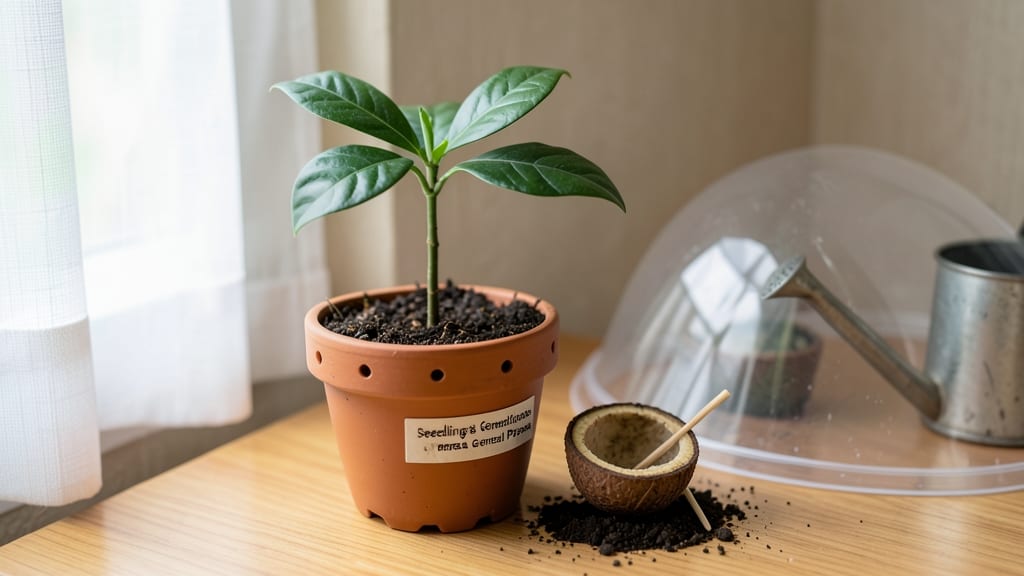
Growing an avocado seed in soil turns a kitchen scrap into a thriving houseplant with twist-free roots and glossy leaves. 🌱 I’ve turned my fair share of soggy seeds into moldy disasters—until I learned the right soil mix and watering rhythm.
The key isn’t patience (though you’ll need it) but the right balance of moisture, light, and a pot that lets roots breathe.
Start with a seed that’s sprouted roots in water—about 3-4 inches long—then plant it in a well-draining potting mix (equal parts perlite, peat, and regular soil). The trick? Keep the soil damp but never soggy, or you’ll invite mold.
A clear plastic bag over the pot traps humidity, and within 6 weeks, you’ll see new leaves pushing through.
By the time your seedling hits 6 inches tall, it’s ready for its first repotting into a 6-inch pot with fresh soil. The roots will spread like a network, and with bright, indirect light, you’ll watch it grow into a small tree—not just a houseplant.
The best part? No more root rot or stunted growth if you catch the early warning signs.
This method works for any avocado variety, and once you master it, you can experiment with pruning or even outdoor planting in warm climates. The first time I saw my seedling’s second set of leaves, I knew I’d cracked the code.
Now it’s your turn—let’s get those roots growing straight!
📚 In This Guide
- What you need
- Instructions
- Tips and common mistakes
- Wrapping up and next steps
What you need
- ● Avocado seed: A fresh, firm pit from a ripe avocado (organic preferred).
- ● Toothpicks or skewers: 3-4 (for suspension).
- ● Glass or jar: Wide-mouth (16–24 oz) with water to cover ~1 inch of the pit.
- ● Well-draining soil: Mix of potting soil + perlite/vermiculite (50/50 ratio).
- ● Small pot: 4–6 inches wide (with drainage holes).
- ● Spray bottle: For gentle watering.
- ○ Scissors or knife: For trimming roots (optional).
- ● Fertilizer: Balanced liquid fertilizer (5-5-5 NPK, diluted).
- ● Grow lights: LED or fluorescent (if natural light is limited).
- ● Humidity dome: Clear plastic wrap (to retain moisture).
- ○ Rooting hormone: (Optional) Speeds up growth.
Step-by-Step instructions for growing an avocado seed in soil
Here's how I turn a simple pit into a thriving plant with strong, twist-free roots.
🌱 Step 1: Prepare the Avocado Pit for Germination
Start by removing the avocado pit from the fruit and rinsing it thoroughly under running water to remove any remaining flesh. I like to use a paper towel to gently scrub off any sticky residue—this prevents mold later. The key here is to keep the pit clean but not damaged.
Next, insert three toothpicks evenly around the pit, about ½ inch from the top. The toothpicks should be spaced roughly 120 degrees apart so you can suspend the pit over a glass of water. This keeps the base submerged while the top stays dry. Place the glass in a warm spot with indirect light—a sunny windowsill works, but avoid direct sun, which can overheat the water.
💧 Step 2: Germinate the Pit in Water
Fill the glass with enough water to submerge about 1 inch of the pit. The toothpicks should hold it suspended, with the top half exposed. Change the water every 2-3 days to prevent bacterial growth. You'll see roots emerging from the bottom in about 2-6 weeks, depending on warmth and humidity.
Here's the thing—I know it seems slow, but patience is critical. If the water gets cloudy or smells funky, dump it and refill immediately. Once roots reach about 2-3 inches long, it's time to move to soil. This is the moment that matters: the roots should be strong enough to support the plant but not so long they'll struggle in a small pot.
🪴 Step 3: Plant the Germinated Pit in Soil
Fill a 6-inch pot with well-draining potting mix. Make a small hole in the center and gently place the avocado pit on top of the soil, with the roots hanging down. The top half of the pit should remain exposed—this is normal and helps prevent rot. Press the soil lightly around the base to secure the pit.
Water the soil until it's evenly moist but not soggy. You want the top inch of soil to feel damp to the touch. Place the pot in a spot with bright, indirect light. Too much direct sun now can scorch the young leaves. I like to rotate the pot every few days so the plant grows straight instead of leaning toward the light.
☀️ Step 4: Care for the Young Avocado Plant
Keep the soil consistently moist but never waterlogged. Stick your finger 1 inch into the soil—if it feels dry, it's time to water. Overwatering is the fastest way to kill a young avocado plant, so I water only when the soil is dry. Use room-temperature water to avoid shocking the roots.
In about 4-6 weeks, you'll see leaves emerging from the top of the pit. This is your signal that the plant is establishing itself. Once the leaves reach about 4-6 inches tall, you can fertilize lightly with a balanced, water-soluble fertilizer diluted to half strength. I fertilize every 4-6 weeks during the growing season to encourage healthy growth.
⏰ Step 5: Encourage Strong Growth and Prevent Common Issues
Avocado plants love warmth and humidity. If your home is dry, mist the leaves occasionally or place a tray of water near the pot to increase humidity. You'll notice the leaves curling or browning at the edges if the air is too dry—this is a classic sign the plant needs more moisture in the air.
Real talk: your avocado plant might not grow into a fruit-bearing tree indoors. But that doesn’t mean it’s a failure—it’s a beautiful houseplant! If you want to maximize its chances of fruiting, you’ll eventually need to move it outdoors in a warm climate or provide supplemental grow lights for 12-14 hours daily. For now, just enjoy watching those roots and leaves grow.
Tips & tricks for growing avocado seeds in soil
Here's what nobody tells you about growing avocado seeds—these tricks make all the difference between a thriving plant and a sad, stunted one.
Toothpick Placement Matters: When inserting toothpicks in Step 1, aim for the widest part of the pit—not the narrow top. The toothpicks should be ½ inch from the top and spaced evenly to create a stable triangle. I learned this the hard way when my first attempt wobbled and fell into the water! Use toothpicks that are ½ inch wide or slightly larger for better grip, especially if your pit is smooth.
Root Length is Critical: In Step 2, don't rush to plant when roots appear—they need to reach 2-3 inches for stability. I've seen roots grow unevenly, with one side much longer than the other. If this happens, gently twist the pit to encourage balanced growth before planting. The roots should feel firm, not mushy, which indicates they're ready for soil.
Soil Depth Secrets: When planting in Step 3, bury the roots just enough so they're covered but the pit remains exposed. Too deep can cause rot, while too shallow means unstable support. I press the soil firmly around the base to secure the pit without compacting it—think "firm but fluffy." A small pebble or two at the bottom of the pot can also improve drainage for those first few weeks.
Light Rotation System: Avocado plants grow toward light like magnets. In Step 4, I rotate my pot ¼ turn every 2-3 days to prevent leaning. This creates a straighter stem from the start. If you notice your plant tilting, it's already too late—prevention is key! Place your pot near a south-facing window for the best indirect light exposure.
Pro Tips for Grow An Avocado Seed In Soil
- Here's what nobody tells you about growing avocado seeds—these tricks make all the difference between a thriving plant and a sad, stunted one.
- Toothpick Placement Matters: When inserting toothpicks in Step 1, aim for the widest part of the pit—not the narrow top.
- Root Length is Critical: In Step 2, don't rush to plant when roots appear—they need to reach 2-3 inches for stability.
Frequently asked questions
Got questions about growing an avocado seed? You’re not alone! Here are answers to the most common queries to help you nurture your seedling like a pro.
How long does it take for an avocado seed to sprout?
With the right care, your avocado seed should sprout roots in 2–6 weeks. Once roots appear, keep the seed in water for another 2–4 weeks before transplanting to soil. Patience is key—don’t rush the process!
Can I grow an avocado seed directly in soil without soaking it first?
While possible, soaking the seed for 2–3 days first speeds up germination. If you skip soaking, your seed may take longer to sprout. For best results, start with water, then transplant to soil once roots form.
Why is my avocado seed rotting in water?
Overwatering or dirty water causes rot. Use fresh, room-temperature water and change it every 2–3 days. Ensure only the bottom 1–2 inches of the seed are submerged—never fully submerge it!
How long until my avocado tree produces fruit?
Avocado trees grown from seeds are slow to fruit—expect fruit in 10–15 years (or longer!). For faster results, consider grafting or buying a nursery-grown tree. Patience pays off!
Can I grow an avocado seed indoors?
Yes! Start indoors near a sunny window or under grow lights. Once roots and a sprout appear, move it to soil. Just ensure it gets 6+ hours of sunlight daily to thrive long-term.
Wrapping up and next steps
Growing an avocado seed into a thriving plant is a rewarding journey that blends patience with simple care. With the right soil, consistent watering, and a little sunlight, you’ll see those twist-free roots transform into a lush, leafy sapling in just 6 weeks! 🌱✨
Now that you’re armed with the know-how, why not take the next step? Share your progress with fellow plant enthusiasts, experiment with different soil mixes, or even try growing another seed—your green thumb is just getting started! Happy planting! 🌿💚