
Planting
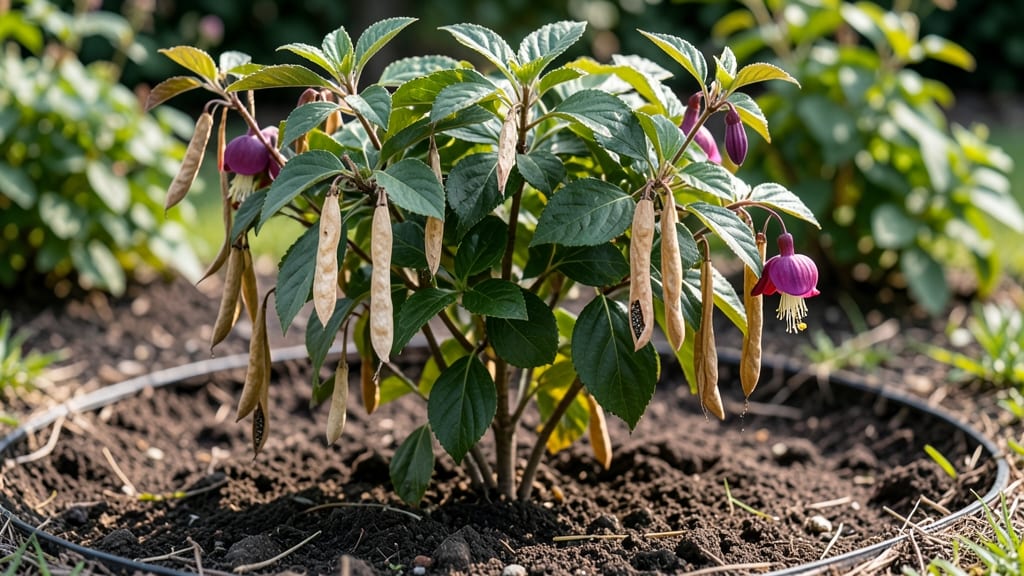
Fuchsia seed pods turn last year’s blooms into next season’s vibrant plants—if you know when and how to harvest them. 🌸 I’ve learned the hard way that waiting too long means dried-up seeds, while picking too early gives you nothing at all.
The key is spotting those papery pods when they’re just starting to split open, before the seeds scatter like confetti. You’ll need a few simple tools: scissors or pruners for clean cuts, a paper bag for collecting seeds, and a dry, dark place to store them.
No fancy equipment—just patience and a sharp eye. Most pods mature in 60 days after flowering, but timing varies by variety and climate. That’s why I always mark my calendar after the first blooms appear.
Once you’ve got the seeds, cleaning them is straightforward: remove the chaff by gently rubbing the pods between your fingers or sifting them. Store them in an envelope with a moisture absorber like silica gel until spring. The trick to high germination rates?
Keep them cool and dry—never refrigerate them, as that can reduce viability. This method works for beginners and seasoned gardeners alike, though tropical fuchsias can be finicky. If your seeds don’t sprout within 3-4 weeks, try a heat mat or bottom watering. The payoff?
A whole new generation of fuchsias with the exact colors and growth habits you love.
📚 In This Guide
- What you need
- Instructions
- Tips and common mistakes
- Wrapping up and next steps
What you need
- ● Fuchsia seed pods: 3–5 dried, healthy pods (harvested from mature plants or purchased from a trusted supplier).
- ● Seed-starting mix: 1–2 bags (1–2 cubic feet) of sterile, well-draining mix (e.g., coconut coir + perlite blend).
- ● Small seed trays or pots: 6–12 (3–4 inches deep) with drainage holes.
- ● Clear plastic domes or plastic wrap: To create a humidity-friendly environment.
- ● Spray bottle: For gentle watering (16 oz or larger).
- ● Grow lights or sunny windowsill: South-facing or artificial light (12–16 hours/day).
- ● Tweezers or toothpick: For handling tiny seeds.
- ● Fine-mist spray nozzle: Attachable to your spray bottle for precision.
- ○ Heating mat (optional): Germinates seeds faster (70–75°F range).
- ● pH testing kit: Ensures soil pH is 5.5–6.5 (ideal for fuchsias).
- ○ Humidity tray (optional): Adds moisture without overwatering.
- ● Patience: Fuchsia seeds are slow to germinate (4–8 weeks!).
- ● Warmth: Ideal germination temp: 65–75°F.
- ● Light access: Bright, indirect light before sprouts appear.
- ● Space planning: Seedlings need thinning once they’re 2–3 inches tall.
Step-by-step instructions for growing fuchsias from seed pods
Here's how to turn those dried fuchsia pods into lush, blooming plants in just two months.
🌱 Step 1: Harvest and Prepare the Seed Pods
Wait until the fuchsia seed pods turn completely brown and begin to split open—this signals they're fully mature. Gently twist or cut the pods from the stem and place them in a paper bag. Let them dry for an additional 3-5 days in a warm, dry spot until they crumble easily between your fingers.
Once dry, open the pods carefully and scoop out the tiny, flat seeds inside. They're so small you'll need a fine toothpick to handle them. I like to spread them out on a clean sheet of paper to remove any remaining chaff or debris. Fuchsia seeds are incredibly light, so a slight breeze can carry them away—work near a closed window to avoid losing any.
💧 Step 2: Stratify Seeds for Better Germination
Fuchsia seeds need a cold period to break dormancy, so place them in a sealed plastic bag with a damp paper towel. Store the bag in your refrigerator's crisper drawer for 4-6 weeks. Check the towel weekly—it should stay lightly moist but not soggy. This cold treatment mimics winter conditions and helps more seeds germinate successfully.
After stratification, remove the seeds from the fridge and let them sit at room temperature for 24 hours to adjust. This prevents shock when you move them to the warm, moist environment they'll need next. I keep a small notebook nearby to track the start date—it makes timing the next steps much easier.
☀️ Step 3: Sow Seeds in Warm, Moist Soil
Fill small seed trays or individual pots with a well-draining seed-starting mix. Moisten it thoroughly until water runs freely from the bottom, then let it drain completely. Press the seeds gently into the surface—don't bury them. Fuchsia seeds need light to germinate, so covering them with soil will prevent sprouting.
Place the trays in a warm spot, ideally between 65-75°F. A seedling heat mat works wonders here, keeping the soil consistently warm. Cover the trays with clear plastic wrap to retain humidity, but prop it up slightly to allow airflow. Germination can take 14-30 days, so patience is key—don't disturb the seeds once they're planted.
🌿 Step 4: Provide Gentle Care for Seedlings
Once seedlings emerge, remove the plastic wrap immediately to prevent fungal growth. Place the trays under grow lights or in a bright, indirect window—fuchsias need 12-14 hours of light daily. Keep the soil lightly moist, watering only when the top inch feels dry. Overwatering is the biggest mistake here—it causes damping-off, a fungal disease that kills seedlings overnight.
When the first true leaves appear (not the initial seed leaves), thin the seedlings if they're crowded. Use small scissors to snip off excess seedlings at soil level, leaving the strongest one in each pot. Transplant the thinned seedlings into slightly larger pots with fresh potting mix to give them room to grow. This step ensures your fuchsias develop strong root systems.
⏰ Step 5: Harden Off and Prepare for Blooming
About 4-6 weeks after germination, start hardening off your seedlings by placing them outside in a sheltered spot for 1-2 hours daily. Gradually increase their outdoor time over 10-14 days, shielding them from direct sun at first. Fuchsias are tender and can't handle frost, so wait until all danger of frost has passed in your area.
Once hardened off, plant your fuchsias in well-draining soil with partial shade. They'll start producing buds in about 8-12 weeks, so keep the soil consistently moist and fertilize lightly every 4-6 weeks with a balanced fertilizer. With proper care, you'll see vibrant blooms in just 60 days from those dried pods.
Tips & tricks for perfect fuchsia blooms from seed pods
Between us, these little dried pods hold the potential for stunning fuchsia blooms—but only if you handle them just right. Here's what nobody tells you about transforming them into thriving plants.
The Harvesting Secret: Those 3-5 days of extra drying after pods turn brown is non-negotiable. I learned this the hard way after struggling with low germination rates—rushing this step means seeds won't open properly and you'll lose precious planting material. Place pods in a paper bag to catch any seeds that release prematurely during drying.
Stratification Strategy: Don't skip the 4-6 weeks in the fridge—this cold treatment is what breaks seed dormancy. I mark my calendar when I start stratification so I can plan ahead for the 24-hour room temperature adjustment afterward. Pro tip: Use a small ziplock bag with holes punched in it for better airflow during refrigeration. The damp paper towel should feel like a wrung-out sponge, not a dripping washcloth.
Germination Environment: Those 65-75°F soil temps are critical, but don't overlook the humidity factor. I've found that placing trays on a bed of damp pebbles beneath the plastic wrap creates a self-regulating humidity chamber. The pebbles stay moist without making the soil soggy, and the plastic wrap creates that perfect greenhouse effect. Watch for condensation on the inside of the wrap—this tells you the humidity level is just right.
Lighting Insight: While fuchsias need 12-14 hours of light daily, they can't handle direct sun until hardened off. I use a combination of grow lights and a south-facing window, positioning seedlings about 6 inches from the light source. Rotate trays daily so all seedlings get even exposure—this prevents them from growing lopsided toward the light.
Pro Tips for Fuchsia Plant Seed Pods
- Between us, these little dried pods hold the potential for stunning fuchsia blooms—but only if you handle them just r...
- The Harvesting Secret: Those 3-5 days of extra drying after pods turn brown is non-negotiable. I learned this the har...
- Stratification Strategy: Don't skip the 4-6 weeks in the fridge—this cold treatment is what breaks seed dormancy. I m...
Frequently asked questions
Got questions about fuchsia seed pods?
You’re not alone! Here are the most common queries—plus quick, practical answers to help you grow vibrant fuchsias from dried pods in no time.
How do I know when fuchsia seed pods are ready to harvest?
Fuchsia seed pods are ready when they turn paper-dry and brown (usually 4–6 weeks after blooming). Gently squeeze them—they should feel crisp and release seeds easily. Avoid harvesting if they’re still green or damp, as seeds may not germinate well.
How long does it take for fuchsia seeds to germinate?
Germination can take 2–4 weeks (sometimes longer!) if kept in warm (70–75°F), moist soil. For faster results, try a heat mat or seedling tray. Patience is key—don’t disturb the soil while waiting.
Can I save seeds from store-bought fuchsias?
Yes, but results may vary! Store-bought fuchsias are often hybrids, so seeds might not grow true to type (i.e., identical to the parent plant). For consistent blooms, opt for seeds from open-pollinated varieties or reputable nurseries.
Why aren’t my fuchsia seeds sprouting?
Common culprits: old seeds (fuchsia seeds lose viability after 1–2 years), cold soil, or overwatering (which causes rot). Try scarifying seeds (lightly nicking the shell) or using a seed starter gel for better moisture control.
What’s the best alternative if my seed pods won’t open?
If pods refuse to release seeds naturally, freeze them for 24 hours to mimic winter dormancy, then place them in a warm, dry spot. Alternatively, squeeze the pod gently over a sheet of paper to catch seeds. Pro tip: Wear gloves—fuchsia seeds can stain!
Wrapping up and next steps
Growing fuchsias from dried seed pods is a rewarding journey that brings vibrant blooms to your garden in just 60 days! With the right materials, patience, and care, you’ll unlock a world of colorful, butterfly-friendly flowers.
Whether you’re a seasoned gardener or a curious beginner, these easy-to-follow steps make it achievable—and fun!
Now that you’re equipped with all the tips and answers, why not start your fuchsia adventure today? Grab those seed pods, prepare your pots, and watch your garden transform with stunning, repeat-blooming beauty. Happy planting! 🌸✨