
Lawn
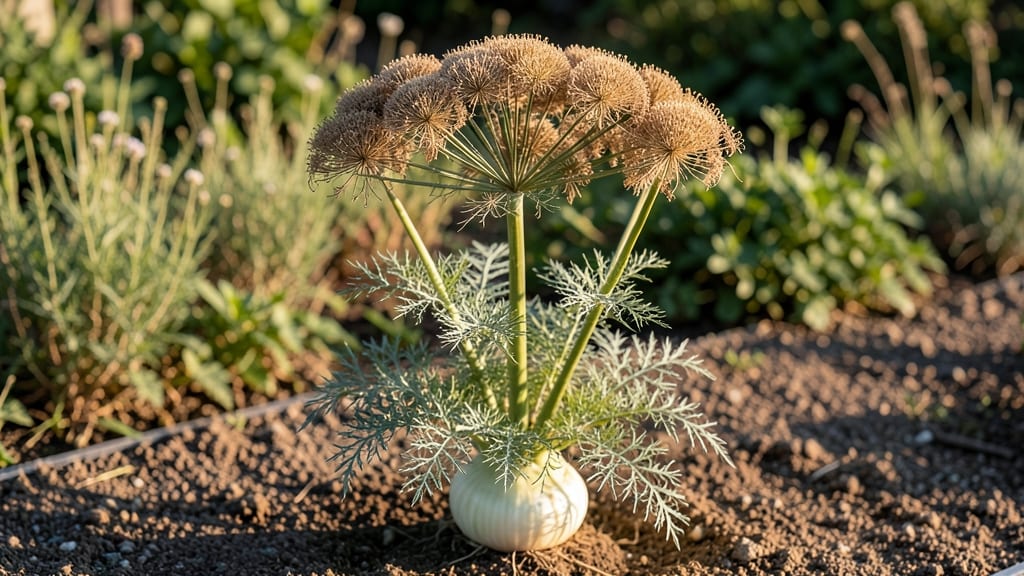
Growing fennel seed heads unlocks a treasure trove of flavor that turns your garden into a spice factory. 🌿 The feathery, lacy seed heads aren't just pretty—they're packed with anise-like notes that elevate everything from bread to cocktails.
My first harvest was so abundant I gave away jars of seeds to neighbors, and now I grow it every year just for the seed heads.
Fennel thrives in full sun and well-drained soil, but the real magic happens in late summer when those delicate seed heads form. You'll need patience—it takes about 120 days from planting to harvest—but the payoff is worth it.
The plants grow tall (up to 5 feet) and have a slight licorice scent that lingers on your hands after handling.
Harvesting is simple: wait until the seed heads turn golden-brown and the seeds rattle when shaken. Snip the heads and hang them upside down in a dry, dark place for 2-3 weeks to fully dry.
Once dry, rub the seeds between your palms to release them—store in airtight jars for up to 12 months. The flavor intensifies over time, making it a pantry staple.
Beyond cooking, these seed heads make stunning dried arrangements. Their airy texture adds movement to winter bouquets, and the seeds attract beneficial insects to your garden. Whether you're growing fennel for flavor or form, these seed heads deliver year after year.
📚 In This Guide
- What you need
- Instructions
- Tips and common mistakes
- Wrapping up and next steps
What you need
- ● Fennel plants (either Foeniculum vulgare "Purpureum" for decorative seed heads or standard fennel for culinary use). Start with 3–5 plants for a small harvest.
- ● Well-draining soil (pH 6.0–7.0). Amend with compost for nutrient-rich growth.
- ● Full sun exposure (6+ hours daily). A sunny spot is a must for robust seed production!
- ● Water (1–1.5 inches per week). Keep soil moist but not waterlogged.
- ● Pruning shears or sharp scissors (for harvesting seed heads cleanly).
- ○ Garden gloves (optional but helpful for prickly stems).
- ● Paper bags or breathable mesh bags (for drying seed heads).
- ● Small bowls or trays (for sorting seeds post-harvest).
- ● Air-tight containers (glass jars or resealable bags for storage).
- ● Twine or rubber bands (to bundle seed heads for hanging drying).
- ● Food dehydrator (for faster drying if short on time).
- ● Labeling tags (to track harvest dates and varieties).
- ● Mortar and pestle (for crushing seeds into powder if desired).
Step-by-Step guide to growing and harvesting fennel seed heads
Transform your fennel plants into flavorful harvests with these simple, foolproof steps.
🌱 Step 1: Identify and Select Mature Fennel Plants
Look for fennel plants with thick, bulbous bases and sturdy stems—these are the ones ready to produce seed heads. I always choose plants that are at least 12-18 inches tall with deep green, feathery foliage, as they’ve had enough time to establish strong roots and energy reserves. Avoid plants that look leggy or yellowing, as they won’t produce quality seeds.
Check the base of the plant for small, umbrella-like flower clusters beginning to form. These will eventually turn into the seed heads you’ll harvest. If your fennel is still in the bulb stage (with a swollen base), give it 4-6 more weeks before checking again—patience is key here.
☀️ Step 2: Provide Full Sun and Proper Care for Seed Production
Fennel seed heads thrive in full sun—at least 6-8 hours daily—so move your plants to the sunniest spot in your garden. I’ve found that fennel grown in partial shade produces fewer seeds or smaller seed heads. Water consistently to keep the soil evenly moist but not soggy, especially during the flowering stage when the plant needs extra energy.
Stop harvesting the bulbs once you see flower clusters forming. Let the plant focus all its energy on producing seeds instead of growing edible stems. If you’ve been cutting fennel fronds for cooking, switch to just removing wilted leaves to avoid stressing the plant.
⏰ Step 3: Harvest Seed Heads at Peak Maturity
Harvest fennel seed heads when the umbels (flower clusters) turn from green to light brown and the individual seeds inside look plump and dry. This usually happens 8-12 weeks after flowering begins, depending on your climate. I like to check seed heads by gently rubbing two seeds between my fingers—if they feel dry and crumble slightly, they’re ready.
Cut the entire seed head with 4-6 inches of stem attached using clean pruners or sharp scissors. Do this on a dry, sunny morning when the humidity is low to help the seeds dry faster. Avoid harvesting after rain, as moisture can cause mold or rot during drying.
🪴 Step 4: Dry and Store Seed Heads Properly
Hang the harvested seed heads upside down in a well-ventilated, dry place—like a pantry or garage—where they’ll stay out of direct sunlight but have good airflow. I use twine to tie them to a hook or lay them on a mesh screen if hanging isn’t possible. It takes 2-4 weeks for the seeds to fully dry, depending on humidity levels.
Once the seeds are completely dry, gently rub the umbel between your hands to release them. Store the seeds in an airtight container (like a glass jar) in a cool, dark place—they’ll keep their flavor for up to 2 years. Label the container with the harvest date so you know when to use them first.
💧 Step 5: Clean and Prepare Seeds for Cooking or Planting
Before using fennel seeds, spread them on a clean towel and pick out any debris or stems. Toast the seeds in a dry skillet over medium-low heat for 2-3 minutes, stirring constantly, until they’re fragrant and slightly darker. This enhances their flavor—trust me, it makes a huge difference in dishes like bread, sausages, or marinades.
For planting next season, store the seeds in a paper envelope (not plastic) in the fridge to maintain viability. Fennel seeds are easy to grow from scratch, so you’ll always have fresh plants—and eventually, more seed heads—ready for harvest.
Tips & tricks for perfect fennel seed harvesting
Here's what nobody tells you about getting the most from your fennel plants—these tricks make all the difference between good seeds and exceptional ones.
Selection Strategy: When choosing plants in Step 1, look for those with the most robust stems—thicker than your thumb is ideal. I've learned the hard way that leggy plants with thin stems rarely produce quality seed heads. The thicker the stem, the more energy the plant has stored for seed production, and that translates to bigger, more flavorful seeds.
Flowering Focus: In Step 2, once you see those tiny flower clusters forming, stop all bulb harvesting immediately. I used to keep cutting the fronds for cooking, thinking it wouldn't matter, but it dramatically reduces seed yield. The plant needs every bit of energy to produce seeds, so let it focus completely on that mission.
Harvest Timing Secret: The 8-12 week window in Step 3 is crucial, but don't rely solely on the clock. The seed heads should feel light when you pick them up—almost weightless. If they feel heavy, they're not dry enough. I check by gently rubbing seeds between my fingers; if they crumble slightly, that's your cue. Harvesting too early means immature seeds, too late means they'll scatter before you can collect them.
Drying Wisdom: For Step 4, don't rush the 2-4 week drying process. I've tried speeding it up with heat, but that creates moldy seeds. Instead, place a small fan nearby to gently circulate air while keeping them in that well-ventilated spot. This maintains airflow without adding moisture, and you'll get perfectly dried seeds without any spoilage.
Pro Tips for Fennel Seed Heads
- Here's what nobody tells you about getting the most from your fennel plants—these tricks make all the difference between good seeds and exceptional ones.
- Selection Strategy: When choosing plants in Step 1, look for those with the most robust stems—thicker than your thumb is ideal.
- Flowering Focus: In Step 2, once you see those tiny flower clusters forming, stop all bulb harvesting immediately.
Frequently asked questions
When is the best time to harvest fennel seed heads?
Harvest fennel seed heads when they turn a rich golden-brown and feel dry to the touch—usually late summer to early fall. Wait until the seeds rattle inside when shaken; if harvested too early, they won’t mature fully. Morning harvests prevent dew from dampening the seeds.
How long do fennel seed heads keep fresh?
Freshly harvested fennel seed heads stay viable for 1–2 weeks if hung in a dry, well-ventilated spot (like a mesh bag). For longer storage, dry the seeds completely (see next question) and store them in an airtight container in a cool, dark place for up to 6 months.
How do I dry fennel seeds for storage?
Bundle the seed heads upside-down in small bunches and hang them in a warm, dry place (like a sunny kitchen or attic) for 2–3 weeks. Once fully dry, rub the seeds between your palms to release them. Sift out debris, then store in a sealed jar away from light and moisture.
Can I use fennel seed heads if they’re moldy or buggy?
Unfortunately, no—moldy or insect-infested seed heads should be discarded immediately. To prevent pests, harvest when seeds are fully dry and store them in a sealed container. If bugs appear, freeze the seeds for 48 hours to kill any larvae before storing again.
What can I do with fennel seed heads if I don’t want to dry them?
Fresh fennel seed heads add bright, anise-like flavor to dishes! Crumble them into soups, stews, or marinades, or infuse them in oils/vinegars. For a quick fix, toast whole heads in a dry pan for 2–3 minutes to release aroma, then use as a garnish or in teas.
Wrapping up and next steps
Growing your own fennel seed heads is a rewarding way to bring bold, aromatic flavors to your kitchen all year long!
Whether you’re drying them for teas, infusing oils, or sprinkling them into dishes, these versatile seeds are a game-changer. Now that you’re equipped with the know-how, why not turn your garden into a flavor factory?
🌱 Next steps:
- Start small—plant a few fennel seeds this season and experiment with drying or freezing methods.
- Share your harvest with friends or preserve extras for holiday cooking!