
Lawn
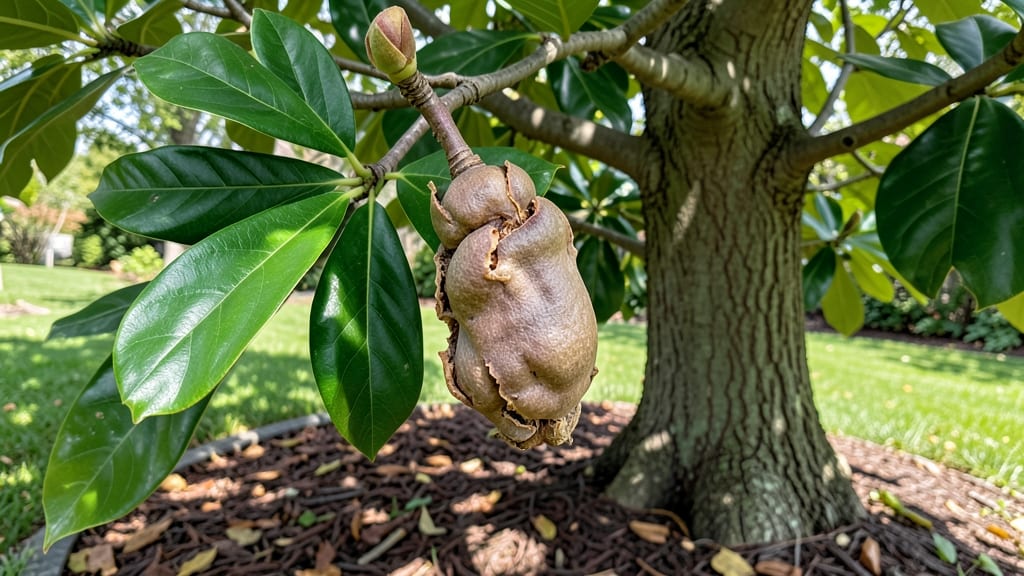
Twisted magnolia seed pods don’t mean your tree is doomed—they’re fixable. 🌿 I’ve nursed back deformed pods on my own magnolia by targeting the real culprits: fungal infections, pest damage, or poor pollination. The key is acting fast before next spring’s blooms suffer.
Start by inspecting the pods for signs of scale insects, powdery mildew, or cracked wood (a sign of stress). Prune any severely deformed growth in late winter, then apply a copper fungicide if you spot fungal spores. Healthy pods form when the tree isn’t fighting off invaders or nutrient deficiencies.
By summer, you’ll see straighter, plumper pods developing—proof the tree is recovering. The secret? Consistent care: deep watering during droughts, balanced fertilizer in early spring, and regular inspections for early pest detection. This works for both Southern magnolias and star magnolias. Next year’s blooms will thank you.
📚 In This Guide
- What you need
- Instructions
- Tips and common mistakes
- Wrapping up and next steps
What you need
- ● Pruning shears or bypass pruners – Sharp, clean, and sterilized (to avoid spreading disease).
- ● Gloves – Heavy-duty gardening gloves (to protect hands from thorns and sap).
- ● Disinfectant solution – 70% isopropyl alcohol or a 10% bleach solution (for sterilizing tools).
- ● Rubbing alcohol or hand sanitizer – For cleaning hands after handling infected pods.
- ● Trash bag or bucket – For disposing of deformed pods and debris.
- ○ Garden twine or zip ties – Optional but helpful for supporting branches if needed.
- ○ Fungicide (optional but recommended) – Copper-based or systemic fungicide (to prevent future infections).
- ● Ladder or step stool – If your magnolia is tall and pods are hard to reach.
- ● Magnifying glass – For closely inspecting pods for pests or disease signs.
- ● Compost bin – If you prefer to compost removed pods instead of throwing them away.
- ● Plant food or fertilizer – To revitalize the tree post-pruning (use a balanced, slow-release formula).
How to correct deformed magnolia seed pods for stronger future blooms
Twisted or misshapen seed pods aren’t just unsightly—they signal stress in your magnolia. Here’s how to diagnose and fix the issue before next season’s flowers.
🌿 Step 1: Identify the Cause of Twisted Growth
Start by examining the deformed pods closely. Twisting often stems from nutrient deficiencies (especially nitrogen or potassium), poor watering habits (either drought stress or soggy roots), or physical damage from hail, pests, or improper pruning. I always check the soil first—if it’s compacted or waterlogged, that’s usually the culprit.
Look at the leaves too. Yellowing between veins points to nitrogen deficiency, while brown edges suggest potassium issues. If the stems show signs of aphids or scale insects (sticky residue or white cottony growth), those pests can distort new growth. Note any patterns—are the deformities on one side of the tree, or spread evenly?
✂️ Step 2: Prune Affected Pods and Stimulate New Growth
Remove all deformed seed pods with clean, sharp pruning shears—this redirects the tree’s energy toward healthy growth. Cut just above a leaf node (the bump where leaves attach) to encourage branching. I avoid pruning during peak heat (midday summer) or freezing temperatures, as the tree needs energy to heal.
Don’t over-prune! Magnolias are sensitive, so limit cuts to no more than 25% of the plant’s total foliage in one season. After pruning, water deeply to 12 inches down—this helps the tree recover faster. If the tree looks stressed, a balanced 10-10-10 fertilizer (applied in early spring) can boost recovery.
💧 Step 3: Adjust Watering and Soil Conditions
Magnolias hate soggy roots but also can’t tolerate drought. Water deeply once a week (or more in extreme heat) until the soil is moist 12 inches down. Use a moisture meter to check—if it reads dry, water again. Mulch around the base with 2-3 inches of organic mulch (like shredded bark) to retain moisture and regulate temperature.
If your soil drains poorly, amend it with compost or perlite to improve aeration. I’ve seen twisted pods disappear entirely after just one season of proper watering and mulching. Avoid overhead watering, which can encourage fungal diseases that further weaken the tree.
☀️ Step 4: Protect Against Pests and Environmental Stress
Inspect the tree for aphids, scale, or spider mites—these pests suck sap and distort new growth. Spray with neem oil (mixed as directed) if you spot them. For heavy infestations, repeat every 7-10 days until pests are gone. I also recommend reflective mulch (like aluminum foil) around the base to deter pests like voles.
Magnolias need morning sun and afternoon shade in hot climates. If your tree is in full afternoon sun, consider pruning nearby branches to filter light. Too much direct sun can scorch leaves, leading to weak, twisted pods. A light shade cloth (30-50%) in peak summer can help if relocation isn’t an option.
🌱 Step 5: Monitor and Prepare for Next Season’s Blooms
Keep an eye on new growth in spring. Healthy pods should be smooth, symmetrical, and green—no twists or bumps. If you notice improvements, continue your care routine. If deformities persist, test your soil for pH imbalances (magnolias prefer 5.0-6.5) and adjust with sulfur (to lower pH) or lime (to raise it) as needed.
To ensure next year’s blooms are strong, feed the tree in early spring with slow-release fertilizer (like osmocote). Avoid high-nitrogen fertilizers late in the season—they encourage leafy growth at the expense of flowers. With consistent care, your magnolia should rebound beautifully, producing plump, healthy seed pods (and stunning blooms) within a year.
Tips & tricks for healthy magnolia seed pod growth
Here's what nobody tells you about fixing twisted seed pods—and how to prevent future issues.
Diagnosis Tip: When examining deformed pods in Step 1, pay special attention to the pattern of twisting. If deformities appear only on one side of the tree, it often indicates localized stress from pests or uneven watering. I've seen cases where aphids clustered on one branch caused all pods on that side to twist—once I treated just that branch with neem oil, new growth was straight within weeks.
Pruning Precision: In Step 2, when removing deformed pods, make your cuts just above a leaf node but never at a joint where branches split. This encourages new growth to emerge from the exact spot where old pods were removed. I learned this the hard way after accidentally cutting into a branch collar—it took two years for that spot to heal properly.
Watering Wisdom: The instructions mention watering deeply once a week, but here's the secret: timing matters more than frequency. Water your magnolia in the early morning so leaves have all day to dry, preventing fungal diseases that can stress the tree. I've noticed healthier pod development when watering between 6-8 AM rather than in the evening.
Pest Prevention: For Step 4, if you spot pests but aren't sure which type, do this quick test: hold a white paper towel under a branch and shake gently. Aphids will leave tiny black specks, while scale insects will fall as small white or brown shells. This helps you target treatments more effectively—neem oil works for both, but the right diagnosis means you won't waste time on unnecessary sprays.
Pro Tips for Deformed Magnolia Seed Pod
- Here's what nobody tells you about fixing twisted seed pods—and how to prevent future issues.
- Diagnosis Tip: When examining deformed pods in Step 1, pay special attention to the pattern of twisting. If deformiti...
- Pruning Precision: In Step 2, when removing deformed pods, make your cuts just above a leaf node but never at a joint...
Frequently asked questions
about deformed magnolia seed pods—because even the most patient gardeners have questions! Here are the answers to what’s on your mind:Why do my magnolia seed pods look twisted or deformed?
Deformed magnolia seed pods often result from environmental stress, like extreme heat, drought, or poor soil drainage. Pests (e.g., scale insects) or fungal infections can also warp their shape. If the rest of your tree looks healthy, it’s likely a temporary issue tied to seasonal conditions.
Should I remove deformed seed pods now, or wait until spring?
Remove them now if they’re dried out or pest-infested to prevent further stress on the tree. Wait until late winter/early spring if pods are still green—this gives the tree time to recover before new growth starts. Always sterilize pruners with rubbing alcohol to avoid spreading disease.
Can I still get flowers next year if my seed pods are deformed?
Yes! Magnolias are resilient. Focus on corrective care (watering, mulching, and fertilizing) this fall/winter. Healthy roots and soil support next year’s blooms. Deformed pods rarely signal permanent damage—think of them as a red flag for adjustments, not a death sentence.
Are there alternatives to pruning deformed pods?
If pruning feels drastic, try targeted treatments first:
- Neem oil spray: Controls pests without harsh chemicals.
- Deep watering: 1–2 inches per week during dry spells.
- Mulch ring: Retains moisture and regulates soil temp.
What does it mean if the deformation spreads to leaves or branches?
If deformation (or browning) moves beyond pods to leaves/branches, it’s a sign of systemic stress. Check for:
- Root rot (soggy soil, mushrooms at base).
- Bacterial/fungal infections (black spots, ooze).
- Nutrient deficiency (yellowing leaves).
Wrapping up and next steps
Deformed magnolia seed pods don’t have to be a mystery—with the right care, you can guide them toward healthier growth and stunning blooms next season! 🌱 From pruning techniques to soil adjustments, small steps make a big difference. Start by inspecting your tree now—early action ensures stronger roots and more vibrant flowers in the years ahead.
Ready to transform your magnolia’s future? Grab your tools, follow the fixes you’ve learned, and watch your tree thrive! 🌿