
Lawn
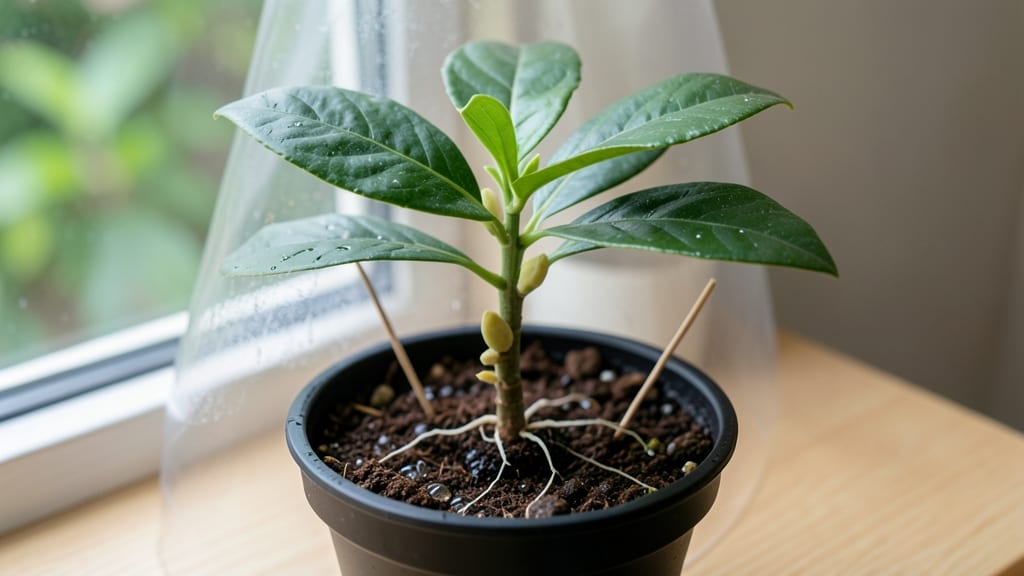
Planting an avocado seed in dirt isn't just a science experiment—it's a chance to grow a living piece of your kitchen table. 🌱 I've turned brown pits into thriving plants that last years, and the secret starts with understanding what the seed truly needs to break dormancy and grow roots.
Most people rush the process, but patience is key: germination takes 4-8 weeks, and the first roots appear before any leaves. You'll need a clear glass or jar for the initial root stage, then a pot with well-draining soil once roots reach 2-3 inches.
The soil mix should be light and airy—think 50% potting soil and 50% perlite or sand—to prevent rot. When the roots finally emerge, you'll see them grow about 1/2 inch per week if conditions are right.
Keep the soil consistently moist but never soggy, and place your container in bright, indirect light. Direct sunlight can scorch the delicate new leaves as they develop. The real magic happens when you transplant the rooted pit into soil—suddenly, you're nurturing a real plant.
With proper care, your avocado seedling could grow into a tree that lives for decades, though fruiting takes years. Here's how to avoid the common pitfalls along the way.
📚 In This Guide
- What you need
- Instructions
- Tips and common mistakes
- Wrapping up and next steps
What you need
- ● Avocado seed: A fresh, firm seed (preferably from a ripe Hass avocado—the best for germination!).
- ● Small container: A 6–8 inch diameter pot with drainage holes (or a glass jar for the water method).
- ● Potting soil: Well-draining, seed-starting mix (or a blend of 50% potting soil + 50% perlite/sand for aeration).
- ● Water: Room-temperature, filtered water (avoid tap water if it’s heavily chlorinated).
- ● Toothpicks or matches: 3–4 toothpicks (or wooden skewers) to suspend the seed.
- ● Spray bottle: For gentle watering (keeps soil moist without over-saturating).
- ○ Clear plastic wrap or humidity dome: Optional but helpful for creating a greenhouse effect.
- ● Grow light or sunny windowsill: A south-facing window or a 12–14 hour LED grow light (if natural light is weak).
- ● Fertilizer: A balanced, water-soluble fertilizer (diluted to half-strength) once roots sprout.
- ● Humidity tray: A shallow tray with pebbles and water to boost moisture around the seed.
- ● Seedling heat mat: If your home is chilly (<60°F), a mat keeps roots warm (70–75°F ideal).
- ● Pruning shears: For trimming future leaves to encourage bushier growth.
- ● Larger pot (8–12 inches): For transplanting once the seedling outgrows its starter container.
Step-by-Step instructions for germinating avocado seeds in soil
Here’s how to turn that kitchen scraps avocado pit into a thriving seedling—no fancy tools needed.
🌱 Step 1: Prep the Seed for Faster Germination
Start by cleaning the pit thoroughly—scrub off any remaining fruit with warm, soapy water. This removes sugars that can attract mold. Next, dry it completely before moving to the next step. I like to let it air-dry overnight on a paper towel.
Place three toothpicks around the pit’s middle, spacing them evenly. The toothpicks should rest on the flat sides, not the pointed ends. This creates a stable cradle for suspending the pit over water. If you don’t have toothpicks, clean wooden skewers work too—just adjust the size to fit your container.
💧 Step 2: Suspend and Soak for Root Growth
Fill a small container with about 2 inches of water—just enough to cover the bottom ¼ inch of the pit. The water should touch only the lower portion of the seed, not submerge it. Suspend the pit using the toothpicks so it floats, with the pointed end down.
Change the water every 3-4 days to prevent bacteria buildup. You’ll notice roots emerging from the bottom in 2-6 weeks, depending on warmth and humidity. Keep the container in a warm spot (around 70-75°F)—a sunny windowsill or under a grow light works best. Avoid drafts, which slow root growth.
🪴 Step 3: Plant When Roots Reach 2-3 Inches
Once the roots reach 2-3 inches long, it’s time to plant. Fill a 4-6 inch pot with well-draining potting mix—avoid garden soil, which compacts too much. Make a small hole in the center, about 1-2 inches deep, and gently place the pit so the pointed end faces down and the roots spread outward into the soil.
Press the soil lightly around the pit but don’t pack it down—avocado seedlings need air around their roots. Water gently until moisture seeps from the bottom of the pot. Place the pot in bright, indirect light (like an east-facing window) to avoid stressing the young plant. Direct sun can scorch tender new leaves.
☀️ Step 4: Care for the Sprout Until True Leaves Appear
Keep the soil evenly moist—not soggy, but never completely dry. Stick your finger 1 inch deep into the soil; if it feels dry, water lightly. Overwatering is the #1 killer of young avocado seedlings, so let the top ½ inch dry out between waterings.
You’ll see the first true leaves (not the initial seed leaves) in 4-8 weeks. This is your cue to move the plant to a sunnier spot—avocado trees need 6+ hours of direct light daily to thrive. If your home lacks natural light, supplement with a grow light kept 6-12 inches above the plant for 12-14 hours daily.
⏰ Step 5: Transplant and Support Growth Long-Term
When the seedling reaches 6-8 inches tall, it’s ready for a larger pot (at least 8 inches deep). Use the same well-draining mix and gently remove the seedling, keeping as much soil around the roots as possible. Tap the pot lightly to encourage the root ball to stay intact—avocado roots are fragile.
Fertilize lightly every 2 months with a balanced, water-soluble fertilizer (like 10-10-10) diluted to half-strength. Avocado trees grow slowly, so patience is key. By 1 year, your seedling should have a woody stem and multiple true leaves—signs it’s ready for a permanent home in a 10-12 gallon pot or outdoor garden (if you live in USDA Zones 9-11).
Tips & tricks for perfect avocado seed germination
Real talk: The difference between a thriving avocado seedling and one that gives up after a few weeks often comes down to these small details. Here's what nobody tells you—
Toothpick Placement Matters: When securing your pit with toothpicks in Step 1, position them evenly spaced around the middle—not too high, not too low. The goal is to create a stable cradle that keeps the pit floating with just the bottom quarter submerged. I've seen pits tip over when toothpicks are uneven, which can lead to mold or drowning. If your toothpicks aren't perfectly straight, bend them gently with pliers to create a level surface.
Water Quality Tip: Use room temperature water in Step 2—cold water can shock the seed and slow germination. I've noticed faster root growth when using filtered or distilled water instead of tap water, which often contains chlorine or fluoride that can inhibit growth. Change the water every 3-4 days as instructed, but don't skip this—stagnant water breeds bacteria that can rot your roots before they even start.
Lighting Strategy: For Step 4's light requirements, I recommend placing your seedling near an east-facing window first. Morning sun provides gentle warmth without the intensity of afternoon rays. If you're using a grow light, position it 6-12 inches above the plant and set a timer for 12-14 hours daily—this mimics natural daylight cycles. The key is consistency: avocado seedlings are sensitive to light fluctuations, which can cause leggy growth or stress.
Pro Tips for Avocado Seed In Dirt
- Real talk: The difference between a thriving avocado seedling and one that gives up after a few weeks often comes dow...
- Toothpick Placement Matters: When securing your pit with toothpicks in Step 1, position them evenly spaced around the...
- Water Quality Tip: Use room temperature water in Step 2—cold water can shock the seed and slow germination. I've noti...
Frequently asked questions
How long does it take for an avocado seed to sprout in dirt?
With proper care, avocado seeds typically sprout within 2–6 weeks. Factors like warmth (70–85°F), humidity, and consistent moisture speed up germination. If your seedling hasn’t sprouted after 8 weeks, it may need more patience or a different approach—like trying a new seed!
Do I need to keep the soil moist or wet for the avocado seed?
Keep the soil moist (not soggy)—like a wrung-out sponge. Overwatering can rot the seed, while dryness stalls growth. A spray bottle or gentle watering near the base (not the seed) works best. Pro tip: Use a humidity dome or plastic wrap to retain moisture until sprouts appear!
Can I use regular potting soil for germinating an avocado seed?
Yes! Start with a well-draining mix (like 50% potting soil + 50% perlite or sand). Avoid heavy garden soil—it compacts and suffocates roots. For faster results, some gardeners add a slow-release fertilizer or compost to boost nutrients early on.
What if my avocado seed never sprouts? Can I try another method?
If your seed refuses to sprout after 2–3 months, it might be dormant or dead. Try these fixes:
- Soak the seed in warm water for 24 hours to "wake it up."
- Switch to a seed-starting mix (lighter than potting soil).
- Plant a new seed—some seeds just don’t germinate!
How big should my avocado seedling be before transplanting?
Wait until your seedling has 2–3 sets of leaves (usually 6–12 inches tall) and a sturdy stem. Transplant too early, and it may shock or topple. Use a smaller pot first (6–8 inches) before moving to the ground—avocados hate root disturbance!
Wrapping up and next steps
Growing an avocado seed in dirt is a rewarding journey that blends patience, science, and a touch of green-thumb magic! 🌱 Whether you’re aiming for a lush houseplant or a future fruit tree, the key lies in consistent moisture, proper drainage, and gentle care.
Remember, every seedling starts small—just like your new avocado adventure.
Ready to take the next step? Plant your sprouted seed in a pot with well-draining soil and watch it thrive! Share your progress with fellow plant lovers or dive deeper into avocado care tips to keep your little tree happy and healthy. Happy growing! 🌿